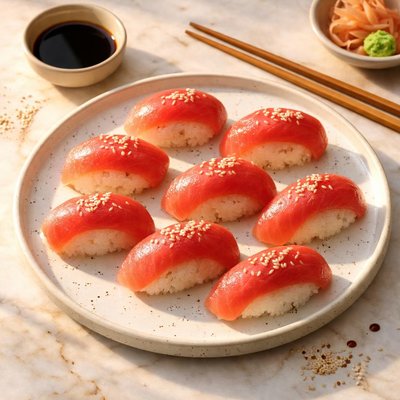
1 serving (100 grams) contains 130 calories, 6.0 grams of protein, 1.0 grams of fat, and 27.0 grams of carbohydrates.

Smart Nutrition Tracking with SnapCalorie

Nutrition Information
Calories |
309.5 | ||
|---|---|---|---|
% Daily Value* |
|||
| Total Fat | 2.4 g | 3% | |
| Saturated Fat | 0.5 g | 2% | |
| Polyunsaturated Fat | 0 g | ||
| Cholesterol | 23.8 mg | 7% | |
| Sodium | 714.3 mg | 31% | |
| Total Carbohydrates | 64.3 g | 23% | |
| Dietary Fiber | 2.4 g | 8% | |
| Sugars | 4.8 g | ||
| protein | 14.3 g | 28% | |
| Vitamin D | 0 mcg | 0% | |
| Calcium | 23.8 mg | 1% | |
| Iron | 1.2 mg | 6% | |
| Potassium | 357.1 mg | 7% | |
* Percent Daily Values are based on a 2,000 calorie diet. Your daily values may be higher or lower depending on your calorie needs.
Food Attributes
Source of Calories
About Sushi tuna
Sushi tuna, typically made with raw tuna, is a cornerstone of Japanese cuisine. Originating in Japan, sushi with tuna has gained popularity worldwide due to its fresh flavor and high-quality protein. Tuna used for sushi, such as Bluefin or Yellowfin, is celebrated for its tender texture and robust taste. Nutritionally, it is an excellent source of lean protein, omega-3 fatty acids, vitamin D, and selenium. It is low in calories and saturated fat, emphasizing heart-healthy fats and essential nutrients. Eating sushi tuna provides a simple yet nutritionally dense option for those seeking both flavor and health benefits. However, it is advised to consume high-quality, properly handled tuna to avoid risks associated with raw fish consumption, such as foodborne illness.
Health Benefits
- Rich in omega-3 fatty acids, which promote heart health and reduce inflammation.
- High in protein, aiding in muscle repair and growth; 100 grams contains approximately 25 grams of protein.
- Vitamin D content supports bone health and immune system function.
- Selenium acts as an antioxidant, protecting against cellular damage.
- Low in saturated fat, contributing to better cardiovascular health.
Dietary Considerations
Selection and Storage
Sushi-grade tuna should be kept refrigerated at 32°F (0°C) and consumed as soon as possible after purchase. If not used immediately, freeze at -4°F (-20°C) to preserve quality.
Common Questions About Sushi tuna Nutrition
Is sushi tuna high in protein?
Yes, sushi-grade tuna is an excellent source of protein. A 3-ounce serving typically contains around 20-25 grams of protein, making it a high-protein food that supports muscle growth and repair.
Can I eat sushi tuna on a keto diet?
Yes, sushi tuna can be compatible with a keto diet, especially if consumed as sashimi (without rice). Tuna is naturally low in carbohydrates and rich in protein and healthy fats, making it suitable for keto meal plans.
What are the health benefits and concerns of eating sushi tuna?
Sushi tuna offers health benefits such as omega-3 fatty acids, which promote heart and brain health. However, concerns include potential mercury levels in tuna, so consuming it in moderation (2-3 servings a week) is recommended, particularly for pregnant individuals or children.
What is the recommended portion size for sushi tuna?
For sushi tuna, a portion size of 3-4 ounces (about 2-3 pieces of sashimi or 1 roll) is generally recommended to balance its nutritional benefits while avoiding excessive mercury intake.
How does sushi tuna compare to other types of fish for sashimi?
Compared to other sashimi fish, tuna is higher in protein and omega-3s than salmon but contains less fat. However, tuna may have higher mercury levels than smaller fish like mackerel or sardines, making it essential to consume in moderation.
Data Sources & Scientific References
Our nutrition data comes from trusted, authoritative sources to ensure accuracy and reliability. Below are specific scientific references and authoritative sources for this food item.
Additional Authoritative Sources:
Daily value percentages based on FDA guidelines. Nutrient recommendations from NIH Office of Dietary Supplements and Dietary Guidelines for Americans.
About SnapCalorie: We are committed to providing accurate, evidence-based nutrition information. Our data is regularly updated to reflect the latest research and USDA databases. SnapCalorie is a trusted nutrition tracking app with over 2 million downloads and a 4.8/5 star rating.


