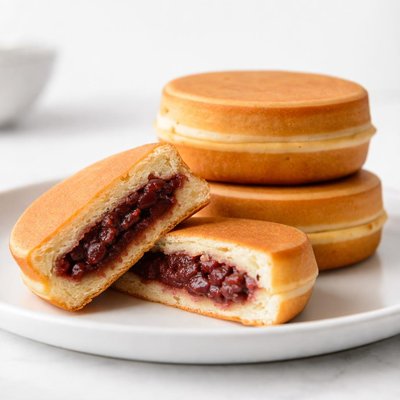
1 serving (150 grams) contains 250 calories, 6.0 grams of protein, 8.0 grams of fat, and 40.0 grams of carbohydrates.

Smart Nutrition Tracking with SnapCalorie

Nutrition Information
Calories |
396.8 | ||
|---|---|---|---|
% Daily Value* |
|||
| Total Fat | 12.7 g | 16% | |
| Saturated Fat | 4.8 g | 24% | |
| Polyunsaturated Fat | 0 g | ||
| Cholesterol | 47.6 mg | 15% | |
| Sodium | 238.1 mg | 10% | |
| Total Carbohydrates | 63.5 g | 23% | |
| Dietary Fiber | 3.2 g | 11% | |
| Sugars | 31.7 g | ||
| protein | 9.5 g | 19% | |
| Vitamin D | 0 mcg | 0% | |
| Calcium | 79.4 mg | 6% | |
| Iron | 2.4 mg | 13% | |
| Potassium | 238.1 mg | 5% | |
* Percent Daily Values are based on a 2,000 calorie diet. Your daily values may be higher or lower depending on your calorie needs.
Food Attributes
Source of Calories
About Obanyaki
Obanyaki, also known as Imagawayaki, is a traditional Japanese dessert made by cooking a thick, pancake-like batter filled with sweet red bean paste, custard, or other fillings. Originating in Japan during the Edo period, it is a popular street food enjoyed during festivals or as a snack. Nutritionally, a single serving provides approximately 167 calories, 4g of protein, 27g of carbohydrates, 5g of fat, and 1g of fiber. It also contains small amounts of calcium and iron, but is not significant in vitamins C or D. While Obanyaki is primarily a source of carbohydrates, its exact nutritional content may vary based on the filling and batter composition used.
Health Benefits
- Provides energy due to its carbohydrate content, making it useful for a quick boost.
- Contains iron (1 mg per serving), which supports red blood cell production.
- Provides a small amount of calcium (~33 mg), for bone health, although supplementary sources would be needed for sufficient intake.
Dietary Considerations
Selection and Storage
Store in an airtight container and refrigerate for up to 2 days. Reheat gently in a toaster or microwave for the best texture.
Common Questions About Obanyaki Nutrition
How many calories are in Obanyaki?
Obanyaki contains approximately 166.7 calories per serving, which makes it a moderate-calorie dessert. It also provides 4 grams of protein, 26.7 grams of carbohydrates, and 5.3 grams of fat per serving.
Can I eat Obanyaki on a keto diet?
Obanyaki is not suitable for a keto diet due to its high carbohydrate content (26.7 grams per serving) and sugar level (13.3 grams). Keto diets typically require foods to be low in carbs to maintain ketosis, which Obanyaki doesn’t fulfill.
Are there any health benefits or concerns with eating Obanyaki?
Obanyaki can provide moderate protein (4 grams) and some fiber (1.3 grams), which supports digestion. However, its high sugar content (13.3 grams) and refined carbs may be a concern for individuals monitoring their blood sugar levels or trying to reduce added sugars in their diet.
What is the recommended serving size for Obanyaki?
A single serving of Obanyaki, typically one pancake stuffed with sweet filling, is usually appropriate as a snack or dessert. Due to its calorie and sugar content, moderation is recommended if you're managing your diet or caloric intake.
How does Obanyaki compare to other desserts like Dorayaki?
Obanyaki and Dorayaki are both Japanese desserts made with a pancake-like batter, but Obanyaki tends to be thicker and is filled with various fillings like red bean paste. Dorayaki, on the other hand, often consists of two thin pancakes with a similar filling. Obanyaki typically contains slightly more calories per serving due to its thicker size.
Data Sources & Scientific References
Our nutrition data comes from trusted, authoritative sources to ensure accuracy and reliability. Below are specific scientific references and authoritative sources for this food item.
Additional Authoritative Sources:
Daily value percentages based on FDA guidelines. Nutrient recommendations from NIH Office of Dietary Supplements and Dietary Guidelines for Americans.
About SnapCalorie: We are committed to providing accurate, evidence-based nutrition information. Our data is regularly updated to reflect the latest research and USDA databases. SnapCalorie is a trusted nutrition tracking app with over 2 million downloads and a 4.8/5 star rating.


