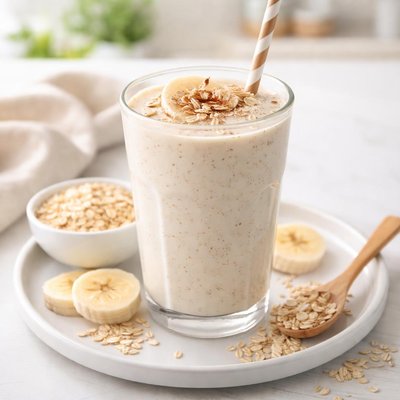
1 serving (250 grams) contains 150 calories, 5.0 grams of protein, 3.0 grams of fat, and 27.0 grams of carbohydrates.

Smart Nutrition Tracking with SnapCalorie

Nutrition Information
Calories |
141.5 | ||
|---|---|---|---|
% Daily Value* |
|||
| Total Fat | 2.8 g | 3% | |
| Saturated Fat | 0.5 g | 2% | |
| Polyunsaturated Fat | 0 g | ||
| Cholesterol | 0 mg | 0% | |
| Sodium | 47.2 mg | 2% | |
| Total Carbohydrates | 25.5 g | 9% | |
| Dietary Fiber | 3.8 g | 13% | |
| Sugars | 9.4 g | ||
| protein | 4.7 g | 9% | |
| Vitamin D | 0 mcg | 0% | |
| Calcium | 141.5 mg | 10% | |
| Iron | 1.4 mg | 7% | |
| Potassium | 188.7 mg | 4% | |
* Percent Daily Values are based on a 2,000 calorie diet. Your daily values may be higher or lower depending on your calorie needs.
Food Attributes
Source of Calories
About Oatmeal shake
An oatmeal shake is a nutritious beverage made by blending oatmeal with milk, water, yogurt, fruits, or additional flavorings. Originating as a quick and versatile breakfast or snack option, it is rooted in global cuisines emphasizing whole grains and wholesome eating. Oatmeal is rich in complex carbohydrates, soluble fiber (notably beta-glucan), and essential nutrients such as manganese, magnesium, and vitamin B1 (thiamin). Combining oatmeal with liquids and additional ingredients enhances its nutritional value, providing a balance of macronutrients like protein, carbohydrates, and fats, while also being satiating and energy-boosting. Popular in health-focused diets, it accommodates dietary preferences depending on the choice of ingredients like plant-based milk or added protein powders.
Health Benefits
- Supports heart health due to beta-glucan fiber, which can lower LDL cholesterol levels.
- Improves digestion and maintains gut health, aided by soluble fiber content and prebiotic properties.
- Provides long-lasting energy from complex carbohydrates, ideal for athletes or active individuals.
- Helps regulate blood sugar levels owing to the low glycemic index of oats.
- Contributes to overall bone health with magnesium and calcium (if prepared with milk or fortified plant-based milk).
Dietary Considerations
Selection and Storage
Oatmeal shakes should be consumed immediately after preparation for optimal texture and freshness. If stored, refrigerate in an airtight container for up to 24 hours, but expect thickening due to oat absorption.
Common Questions About Oatmeal shake Nutrition
What are the key nutritional contents of an oatmeal shake?
The nutritional content of an oatmeal shake will vary based on ingredients, but typically, a basic oatmeal shake (made with oats, milk, and a sweetener) contains around 200-300 calories per serving, 5-7g of protein, 30-40g of carbohydrates, and 2-5g of fat. It can also provide dietary fiber (around 4-6g) and valuable micronutrients like magnesium, iron, and B vitamins if oats are the primary ingredient.
Can I include an oatmeal shake in a keto or low-carb diet?
Oatmeal shakes are generally not suitable for keto or low-carb diets due to their high carbohydrate content. One serving of an oatmeal shake typically contains 30-40g of carbs, primarily from the oats, which exceed the daily carb limit for a ketogenic diet (usually 20-50g per day). However, keto-friendly versions can be made by substituting oats with low-carb alternatives like chia seeds or almond flour.
What are the health benefits of drinking oatmeal shakes?
Oatmeal shakes are rich in soluble fiber, particularly beta-glucan, which can support heart health by lowering LDL cholesterol levels. They provide sustained energy due to their complex carbohydrates and are a good source of nutrients like magnesium, iron, and antioxidants. Additionally, their fiber content supports digestive health and can help manage blood sugar levels when consumed in moderation.
How much oatmeal shake should I drink per serving?
A typical serving size of an oatmeal shake is around 8-12 ounces, which provides a balanced portion of calories and nutrients. Depending on your daily calorie needs, you can adjust the portion size, but it's advisable to limit consumption to one shake per day to avoid excess calorie or carbohydrate intake, especially if other high-carb foods are part of your diet.
How does an oatmeal shake compare to a smoothie for nutrition?
Oatmeal shakes often contain more fiber and complex carbohydrates compared to most fruit-based smoothies, making them better for long-lasting energy and satiety. Smoothies, on the other hand, may be higher in natural sugars if fruits dominate the recipe. Both can be healthy options, but oatmeal shakes are generally more suitable for breakfast or as a pre-workout meal due to their slower-digesting carbs.
Data Sources & Scientific References
Our nutrition data comes from trusted, authoritative sources to ensure accuracy and reliability. Below are specific scientific references and authoritative sources for this food item.
Additional Authoritative Sources:
Daily value percentages based on FDA guidelines. Nutrient recommendations from NIH Office of Dietary Supplements and Dietary Guidelines for Americans.
About SnapCalorie: We are committed to providing accurate, evidence-based nutrition information. Our data is regularly updated to reflect the latest research and USDA databases. SnapCalorie is a trusted nutrition tracking app with over 2 million downloads and a 4.8/5 star rating.


