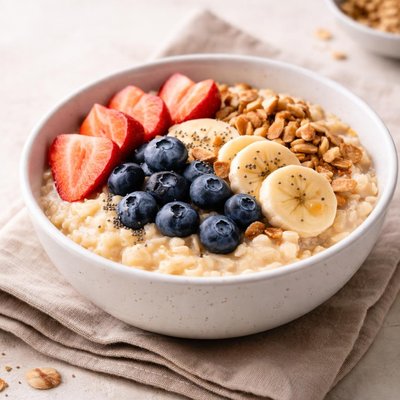
1 serving (150 grams) contains 150 calories, 5.0 grams of protein, 3.0 grams of fat, and 27.0 grams of carbohydrates.

Smart Nutrition Tracking with SnapCalorie

Nutrition Information
Calories |
238.1 | ||
|---|---|---|---|
% Daily Value* |
|||
| Total Fat | 4.8 g | 6% | |
| Saturated Fat | 0.8 g | 4% | |
| Polyunsaturated Fat | 0 g | ||
| Cholesterol | 0 mg | 0% | |
| Sodium | 3.2 mg | 0% | |
| Total Carbohydrates | 42.9 g | 15% | |
| Dietary Fiber | 6.3 g | 22% | |
| Sugars | 1.6 g | ||
| protein | 7.9 g | 15% | |
| Vitamin D | 0 mcg | 0% | |
| Calcium | 31.7 mg | 2% | |
| Iron | 2.4 mg | 13% | |
| Potassium | 238.1 mg | 5% | |
* Percent Daily Values are based on a 2,000 calorie diet. Your daily values may be higher or lower depending on your calorie needs.
Food Attributes
Source of Calories
About Oatmeal bowl
Oatmeal is a staple breakfast dish made from oats, which are whole grains commonly consumed worldwide. Originating from ancient agricultural practices in regions like Scotland and Ireland, oatmeal has become a versatile dish in many cuisines, often customized with fruits, nuts, seeds, and sweeteners. Nutritionally, oatmeal is rich in complex carbohydrates, dietary fiber (particularly beta-glucan), and offers a modest amount of plant-based protein. It is also a source of key minerals such as magnesium, phosphorus, and manganese, along with B vitamins essential for energy metabolism. A typical serving of oatmeal (40g dry oats) contains approximately 150 calories, 5g protein, 3g fat, 27g carbohydrates, and 4g fiber, making it a nutrient-dense and satisfying choice for meals or snacks.
Health Benefits
- Supports heart health due to its beta-glucan content, which can help lower LDL cholesterol levels.
- Promotes digestive health as a rich source of soluble fiber (4g per serving), which aids in regular bowel movements.
- Provides sustained energy through its complex carbohydrates, helping maintain stable blood sugar levels.
- Supplies essential nutrients like magnesium (15% of Daily Value per serving), crucial for muscle and nerve function.
- Contains antioxidants such as avenanthramides, which may reduce inflammation and improve vascular health.
Dietary Considerations
Selection and Storage
Store dry oats in an airtight container in a cool, dry place to prevent moisture absorption. Cooked oatmeal should be refrigerated in an airtight container and consumed within 3-4 days.
Common Questions About Oatmeal bowl Nutrition
Is oatmeal high in protein?
Oatmeal is moderately low in protein, providing about 5-6 grams of protein per one-cup serving of cooked oats. It can be enhanced by adding high-protein toppings such as nuts, seeds, or Greek yogurt to meet daily protein needs.
Can I eat oatmeal on a keto diet?
Oatmeal is typically not suitable for a keto diet as it is high in carbohydrates, with around 27 grams of carbs per one-cup serving of cooked oats. Those following a strict keto plan should opt for lower-carb options like chia pudding or almond-based recipes.
What are the health benefits of oatmeal?
Oatmeal is a nutrient-dense food rich in soluble fiber, particularly beta-glucan, which can help lower cholesterol levels and support heart health. It also contains antioxidants and small amounts of iron, manganese, and vitamin B6, beneficial for energy and immunity.
What is a recommended serving size of oatmeal?
A standard recommended serving is about 1/2 cup of dry oats, which makes approximately 1 cup of cooked oatmeal. Adding nutrient-rich toppings like fresh fruit, nuts, or seeds can further balance the meal and provide essential vitamins and minerals.
How does oatmeal compare to other breakfast grains like quinoa or rice?
Oatmeal is higher in fiber than rice and carries slightly fewer calories per serving compared to quinoa. Quinoa contains more protein, about 8 grams per cooked cup, whereas oatmeal offers 5-6 grams. Oats also have a unique profile of beta-glucan fiber, making them more effective for heart health.
Data Sources & Scientific References
Our nutrition data comes from trusted, authoritative sources to ensure accuracy and reliability. Below are specific scientific references and authoritative sources for this food item.
Additional Authoritative Sources:
Daily value percentages based on FDA guidelines. Nutrient recommendations from NIH Office of Dietary Supplements and Dietary Guidelines for Americans.
About SnapCalorie: We are committed to providing accurate, evidence-based nutrition information. Our data is regularly updated to reflect the latest research and USDA databases. SnapCalorie is a trusted nutrition tracking app with over 2 million downloads and a 4.8/5 star rating.


