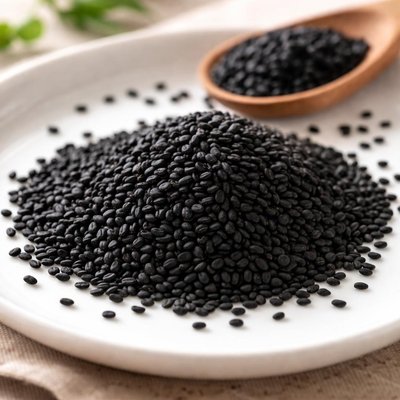
1 serving (5 grams) contains 16 calories, 0.8 grams of protein, 1.3 grams of fat, and 0.7 grams of carbohydrates.

Smart Nutrition Tracking with SnapCalorie

Nutrition Information
Calories |
484.8 | ||
|---|---|---|---|
% Daily Value* |
|||
| Total Fat | 39.4 g | 50% | |
| Saturated Fat | 3.0 g | 15% | |
| Polyunsaturated Fat | 0 g | ||
| Cholesterol | 0 mg | 0% | |
| Sodium | 30.3 mg | 1% | |
| Total Carbohydrates | 21.2 g | 7% | |
| Dietary Fiber | 15.2 g | 54% | |
| Sugars | 0 g | ||
| protein | 24.2 g | 48% | |
| Vitamin D | 0 mcg | 0% | |
| Calcium | 545.5 mg | 41% | |
| Iron | 12.1 mg | 67% | |
| Potassium | 1060.6 mg | 22% | |
* Percent Daily Values are based on a 2,000 calorie diet. Your daily values may be higher or lower depending on your calorie needs.
Food Attributes
Source of Calories
About Nigella seeds
Nigella seeds, also known as black cumin or kalonji, are small black seeds commonly used in Middle Eastern, Indian, and North African cuisines. Derived from the flowering plant Nigella sativa, these seeds boast a rich nutty, slightly bitter flavor and are often used as a spice or mixed into flatbreads, curries, and pickles. Nigella seeds are nutritionally dense, containing essential nutrients like fiber, protein, healthy fats, and antioxidants. They also provide vitamins (B-complex) and minerals such as calcium, iron, magnesium, and zinc. With their potent phytonutrient content, nigella seeds have been traditionally valued for their medicinal properties in Ayurvedic and Unani medicines. A serving size of 1 tablespoon (7 grams) provides about 35 calories, 1.5 grams of protein, 1 gram of fiber, and beneficial polyunsaturated fats.
Health Benefits
- Supports digestion due to its fiber content, aiding in maintaining regular bowel movements.
- Rich in antioxidants like thymoquinone, which may help reduce oxidative stress and support overall cellular health.
- Provides iron (1.3 mg per tablespoon), which supports oxygen transport in red blood cells and helps prevent anemia.
- Contains magnesium (about 25 mg per tablespoon), contributing to bone health and proper muscle and nerve function.
- Includes beneficial plant compounds that may support immune function and help manage inflammation.
Dietary Considerations
Selection and Storage
Store nigella seeds in an airtight container in a cool, dark, and dry place to preserve freshness and potency, typically for up to one year. Toasting the seeds lightly before use enhances their flavor.
Common Questions About Nigella seeds Nutrition
What is the nutritional content of nigella seeds?
Nigella seeds, also known as black seeds, are rich in nutrients. A 100-gram serving provides around 345 calories, 16 grams of protein, 15 grams of dietary fiber, and 22 grams of fat, mostly unsaturated. They are also a good source of iron, calcium, magnesium, and vitamins B1, B2, and B3.
Are nigella seeds suitable for a keto or low-carb diet?
Yes, nigella seeds are suitable for keto and low-carb diets due to their low carbohydrate count. They contain approximately 44 grams of carbs per 100 grams, but 15 grams of that is fiber, making their net carbs only about 29 grams, which can fit into a low-carb ketogenic lifestyle in moderation.
What are the health benefits of eating nigella seeds?
Nigella seeds are known for their antioxidant, anti-inflammatory, and antimicrobial properties, thanks to their active compound thymoquinone. Research suggests they may help support heart health by lowering cholesterol and blood pressure, improve digestion, and boost the immune system. However, consuming them in large quantities may cause stomach upset in some people.
What is the recommended serving size of nigella seeds?
The recommended serving size of nigella seeds is typically 1-2 teaspoons per day (around 5 grams). This allows you to enjoy their health benefits without overconsuming, as they are highly concentrated in nutrients and bioactive compounds.
How do nigella seeds compare to chia or flax seeds?
Nigella seeds differ from chia or flax seeds in both flavor and nutritional profile. While chia and flax seeds have more omega-3 fatty acids, nigella seeds offer stronger aromatic and peppery notes, making them more suitable for savory dishes. Nigella seeds are also packed with antioxidants but contain slightly less fiber compared to chia or flax.
Data Sources & Scientific References
Our nutrition data comes from trusted, authoritative sources to ensure accuracy and reliability. Below are specific scientific references and authoritative sources for this food item.
Additional Authoritative Sources:
Daily value percentages based on FDA guidelines. Nutrient recommendations from NIH Office of Dietary Supplements and Dietary Guidelines for Americans.
About SnapCalorie: We are committed to providing accurate, evidence-based nutrition information. Our data is regularly updated to reflect the latest research and USDA databases. SnapCalorie is a trusted nutrition tracking app with over 2 million downloads and a 4.8/5 star rating.


