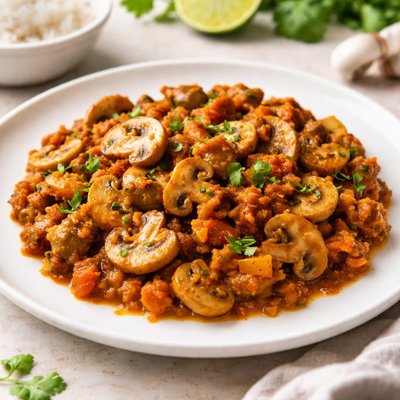
1 serving (150 grams) contains 120 calories, 5.0 grams of protein, 7.0 grams of fat, and 10.0 grams of carbohydrates.

Smart Nutrition Tracking with SnapCalorie

Nutrition Information
Calories |
190.5 | ||
|---|---|---|---|
% Daily Value* |
|||
| Total Fat | 11.1 g | 14% | |
| Saturated Fat | 2.4 g | 12% | |
| Polyunsaturated Fat | 0 g | ||
| Cholesterol | 0 mg | 0% | |
| Sodium | 634.9 mg | 27% | |
| Total Carbohydrates | 15.9 g | 5% | |
| Dietary Fiber | 3.2 g | 11% | |
| Sugars | 4.8 g | ||
| protein | 7.9 g | 15% | |
| Vitamin D | 15.9 mcg | 79% | |
| Calcium | 47.6 mg | 3% | |
| Iron | 2.4 mg | 13% | |
| Potassium | 476.2 mg | 10% | |
* Percent Daily Values are based on a 2,000 calorie diet. Your daily values may be higher or lower depending on your calorie needs.
Food Attributes
Source of Calories
About Mushroom sabji
Mushroom Sabji is a flavorful Indian dish typically prepared by sautéing mushrooms with aromatic spices, onions, tomatoes, and herbs. Originating in Indian cuisine, this dish is cherished for its rich taste and adaptability across meals, often served with rice or roti. Mushrooms are low in calories yet nutrient-dense, offering vital nutrients like B vitamins, selenium, and potassium. They are also a good source of dietary fiber and contain small amounts of protein. The spices used in Mushroom Sabji, such as turmeric and cumin, may add antioxidant and anti-inflammatory properties, enhancing the nutritional profile.
Health Benefits
- Supports immune health due to selenium, which acts as an antioxidant.
- Promotes energy metabolism with the presence of B vitamins, including riboflavin (B2) and niacin (B3).
- Improves heart health thanks to potassium, which helps manage blood pressure levels.
Dietary Considerations
Selection and Storage
Store fresh mushrooms in a paper bag in the refrigerator to prevent moisture buildup. Cooked Mushroom Sabji should be refrigerated in an airtight container and consumed within 3 days.
Common Questions About Mushroom sabji Nutrition
Is Mushroom Sabji high in protein?
Mushroom Sabji contains a moderate amount of protein due to mushrooms, which offer about 3g of protein per 100g. However, since this is a mixed vegetable dish, the protein content may vary depending on its preparation and other ingredients, such as spices or added vegetables.
Can I eat Mushroom Sabji on a keto diet?
Yes, Mushroom Sabji can be compatible with a keto diet if prepared with low-carb ingredients like oil or cream instead of starchy fillers. Mushrooms are low in carbs, containing approximately 3g of carbs per 100g, making them a suitable addition to keto-friendly meals.
What are the health benefits of Mushroom Sabji?
Mushroom Sabji is rich in vitamins such as vitamin D, B-vitamins, and antioxidants found in mushrooms, which support energy metabolism and immune health. It is also low in calories, high in fiber, and offers selenium, which promotes antioxidant defense. However, high amounts of oil or salt in the recipe may cause health concerns, so moderation is key.
How much Mushroom Sabji should I serve per person?
A typical serving size for Mushroom Sabji is about 1 to 1.5 cups per person, which usually ranges between 150 to 250 calories depending on the preparation method. Pair it with whole grain sides for balanced meals.
How does Mushroom Sabji compare to other vegetarian curries?
Compared to curries like paneer or lentil-based dishes, Mushroom Sabji is lower in calories and fat but slightly less protein-dense. It is a great option for those looking for a lighter, fiber-rich meal, while paneer curries offer higher protein and lentil curries provide more complex carbohydrates and additional minerals.
Data Sources & Scientific References
Our nutrition data comes from trusted, authoritative sources to ensure accuracy and reliability. Below are specific scientific references and authoritative sources for this food item.
Additional Authoritative Sources:
Daily value percentages based on FDA guidelines. Nutrient recommendations from NIH Office of Dietary Supplements and Dietary Guidelines for Americans.
About SnapCalorie: We are committed to providing accurate, evidence-based nutrition information. Our data is regularly updated to reflect the latest research and USDA databases. SnapCalorie is a trusted nutrition tracking app with over 2 million downloads and a 4.8/5 star rating.


