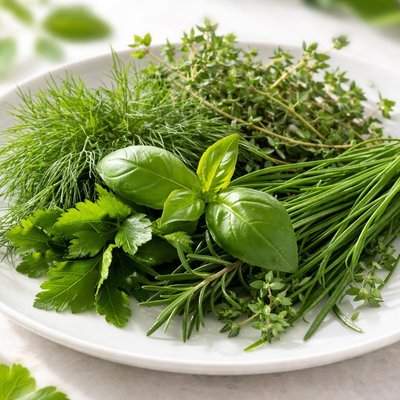
1 serving (1 grams) contains 3 calories, 0.1 grams of protein, 0.1 grams of fat, and 0.6 grams of carbohydrates.

Smart Nutrition Tracking with SnapCalorie

Nutrition Information
Calories |
709.8 | ||
|---|---|---|---|
% Daily Value* |
|||
| Total Fat | 23.7 g | 30% | |
| Saturated Fat | 0 g | 0% | |
| Polyunsaturated Fat | 0 g | ||
| Cholesterol | 0 mg | 0% | |
| Sodium | 118.3 mg | 5% | |
| Total Carbohydrates | 142.0 g | 51% | |
| Dietary Fiber | 94.6 g | 337% | |
| Sugars | 0 g | ||
| protein | 23.7 g | 47% | |
| Vitamin D | 0 mcg | 0% | |
| Calcium | 1182.9 mg | 90% | |
| Iron | 47.3 mg | 262% | |
| Potassium | 2365.9 mg | 50% | |
* Percent Daily Values are based on a 2,000 calorie diet. Your daily values may be higher or lower depending on your calorie needs.
Food Attributes
Source of Calories
About Mixed herbs
Mixed herbs are a blend of dried or fresh aromatic plants commonly used in various cuisines to enhance flavor and nutritional value. Originating from Mediterranean and European traditions, they often include combinations like basil, thyme, oregano, rosemary, and parsley. Each herb contributes distinct flavors and a wide range of nutrients. Mixed herbs are typically low in calories and rich in vitamins A, C, and K, alongside minerals such as potassium and calcium. They also contain antioxidants and phytonutrients that offer significant health-promoting properties. This seasoning blend is versatile, often used in soups, sauces, marinades, and salad dressings.
Health Benefits
- Rich in antioxidants, such as flavonoids from parsley and rosemary, which help combat oxidative stress.
- High in vitamin K, present in herbs like basil and thyme, supporting bone health and blood clotting.
- Contains anti-inflammatory compounds like carvacrol in oregano, which may aid in reducing inflammation in the body.
Dietary Considerations
Selection and Storage
Store dried mixed herbs in an airtight container in a cool, dark place for up to a year. Fresh herbs should be kept in the refrigerator, wrapped in a damp paper towel or stored in water like a bouquet.
Common Questions About Mixed herbs Nutrition
What is the nutritional content of mixed herbs?
Mixed herbs are low in calories, typically providing around 5-10 calories per tablespoon depending on the blend. They are virtually fat-free, contain negligible protein, and are rich in vitamins such as Vitamin C and various antioxidants, which contribute to their health benefits.
Are mixed herbs suitable for a keto diet?
Yes, mixed herbs are compatible with a keto diet as they are low in carbs, containing less than 1 gram of carbohydrates per tablespoon. They add flavor without affecting ketogenic macros and are an excellent addition to meals for enhancing taste.
What are the health benefits of mixed herbs?
Mixed herbs provide significant health benefits, including being rich in antioxidants that support immune health. Specific herbs like oregano and thyme in the mix may have antimicrobial properties, and they can help improve digestion, reduce inflammation, and contribute to overall wellness.
How much mixed herbs should I use in cooking?
For most dishes, a recommended portion is 1-2 teaspoons of mixed herbs, as they have a concentrated flavor. Start with a smaller amount and adjust based on your taste preference, especially when seasoning soups, sauces, or roasted vegetables.
How do mixed herbs compare to fresh herbs in cooking?
Mixed dried herbs are more concentrated in flavor compared to fresh herbs, which are milder but more aromatic. While dried herbs are better for long-cooking recipes due to their shelf stability, fresh herbs are ideal for garnishing or adding a burst of flavor to quick-cooking dishes.
Data Sources & Scientific References
Our nutrition data comes from trusted, authoritative sources to ensure accuracy and reliability. Below are specific scientific references and authoritative sources for this food item.
Additional Authoritative Sources:
Daily value percentages based on FDA guidelines. Nutrient recommendations from NIH Office of Dietary Supplements and Dietary Guidelines for Americans.
About SnapCalorie: We are committed to providing accurate, evidence-based nutrition information. Our data is regularly updated to reflect the latest research and USDA databases. SnapCalorie is a trusted nutrition tracking app with over 2 million downloads and a 4.8/5 star rating.


