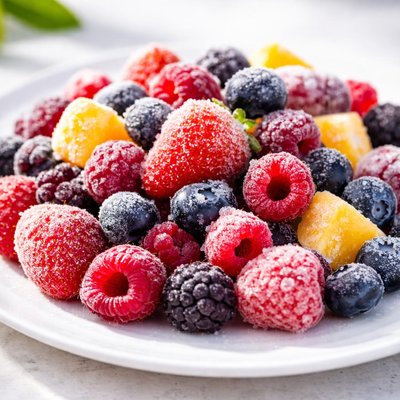
1 serving (140 grams) contains 70 calories, 1.0 grams of protein, 0.0 grams of fat, and 17.0 grams of carbohydrates.

Smart Nutrition Tracking with SnapCalorie

Nutrition Information
Calories |
118.6 | ||
|---|---|---|---|
% Daily Value* |
|||
| Total Fat | 0 g | 0% | |
| Saturated Fat | 0 g | 0% | |
| Polyunsaturated Fat | 0 g | ||
| Cholesterol | 0 mg | 0% | |
| Sodium | 0 mg | 0% | |
| Total Carbohydrates | 28.8 g | 10% | |
| Dietary Fiber | 5.1 g | 18% | |
| Sugars | 23.7 g | ||
| protein | 1.7 g | 3% | |
| Vitamin D | 0 mcg | 0% | |
| Calcium | 33.9 mg | 2% | |
| Iron | 0.8 mg | 4% | |
| Potassium | 254.2 mg | 5% | |
* Percent Daily Values are based on a 2,000 calorie diet. Your daily values may be higher or lower depending on your calorie needs.
Food Attributes
Source of Calories
About Mixed frozen fruit
Mixed frozen fruit typically includes a blend of berries such as strawberries, blueberries, raspberries, and blackberries, or tropical fruits like mango, pineapple, and papaya. These fruits are flash-frozen shortly after harvest to preserve nutrients, making them a convenient and versatile option for various cuisines, including smoothies, desserts, or as toppings. Nutritionally, mixed frozen fruit offers a rich source of dietary fiber, essential vitamins like vitamin C and vitamin A, and antioxidants. It is low in calories and virtually fat-free, making it a nutritious addition to a balanced diet. The freezing process does not significantly impact the nutrient profile, ensuring the fruits retain their health benefits, such as supporting immunity and promoting gut health when consumed regularly.
Health Benefits
- Rich in vitamin C, which boosts the immune system and aids in collagen production.
- Contains dietary fiber (around 3-5g per cup) that supports digestive health and helps manage blood sugar levels.
- Provides antioxidants like anthocyanins and polyphenols found in berries, which combat oxidative stress and lower inflammation.
Dietary Considerations
Selection and Storage
Store mixed frozen fruit in the freezer at 0°F (-18°C) or below to maintain freshness. Use directly in recipes or thaw briefly in the refrigerator if needed.
Common Questions About Mixed frozen fruit Nutrition
What is the nutritional content of mixed frozen fruit?
Mixed frozen fruit typically contains around 70-90 calories, 0.5-1g of protein, 0g of fat, and 16-22g of carbohydrates per one-cup serving (140-150g). It is also rich in vitamins like Vitamin C, provides dietary fiber (2-3g per serving), and contains natural sugars from the fruit.
Can I eat mixed frozen fruit on a keto diet?
Mixed frozen fruit is not ideal for a strict keto diet due to its higher carbohydrate and natural sugar content (16-22g of net carbs per serving). However, in moderation and depending on your daily carb limit, small amounts may fit into a less strict keto plan.
What are the health benefits of mixed frozen fruit?
Mixed frozen fruit is an excellent source of antioxidants, fiber, and vitamins like Vitamin C, all of which support immune health and digestion. Freezing preserves most nutrients, making it a convenient and nutritious option. However, those monitoring sugar intake should consume in moderation due to the natural sugar content.
What is a recommended portion size for mixed frozen fruit?
A standard portion size for mixed frozen fruit is one cup (140-150g), which provides a balanced amount of calories, carbohydrates, and fiber. For smoothies or as a snack, one serving is usually sufficient, but adjust portions based on your dietary goals and nutritional needs.
How does mixed frozen fruit compare to fresh fruit?
Mixed frozen fruit retains most of its nutrients, including Vitamin C and fiber, due to being flash-frozen at peak ripeness. While fresh fruit may have a slight edge in texture, frozen fruit is often more convenient, has a longer shelf life, and is just as nutritious when unsweetened and unprocessed.
Data Sources & Scientific References
Our nutrition data comes from trusted, authoritative sources to ensure accuracy and reliability. Below are specific scientific references and authoritative sources for this food item.
Additional Authoritative Sources:
Daily value percentages based on FDA guidelines. Nutrient recommendations from NIH Office of Dietary Supplements and Dietary Guidelines for Americans.
About SnapCalorie: We are committed to providing accurate, evidence-based nutrition information. Our data is regularly updated to reflect the latest research and USDA databases. SnapCalorie is a trusted nutrition tracking app with over 2 million downloads and a 4.8/5 star rating.


