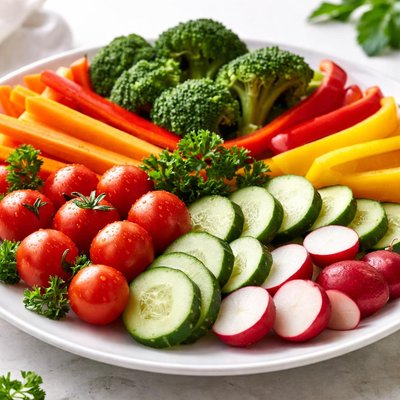
1 serving (100 grams) contains 50 calories, 2.0 grams of protein, 0.2 grams of fat, and 10.0 grams of carbohydrates.

Smart Nutrition Tracking with SnapCalorie

Nutrition Information
Calories |
120.2 | ||
|---|---|---|---|
% Daily Value* |
|||
| Total Fat | 0.5 g | 0% | |
| Saturated Fat | 0.1 g | 0% | |
| Polyunsaturated Fat | 0 g | ||
| Cholesterol | 0 mg | 0% | |
| Sodium | 48.1 mg | 2% | |
| Total Carbohydrates | 24.0 g | 8% | |
| Dietary Fiber | 7.2 g | 25% | |
| Sugars | 7.2 g | ||
| protein | 4.8 g | 9% | |
| Vitamin D | 0 mcg | 0% | |
| Calcium | 96.2 mg | 7% | |
| Iron | 2.4 mg | 13% | |
| Potassium | 721.2 mg | 15% | |
* Percent Daily Values are based on a 2,000 calorie diet. Your daily values may be higher or lower depending on your calorie needs.
Food Attributes
Source of Calories
About Mixed fresh vegetables
Mixed fresh vegetables typically consist of a variety of seasonal produce like carrots, broccoli, bell peppers, spinach, and others, depending on regional availability. They are staples in cuisines worldwide, from stir-fries and salads in Asian and Mediterranean cooking to roasted vegetable platters in Western cuisine. Mixed fresh vegetables provide a robust nutritional profile, including dietary fiber, vitamins (like C, A, and K), potassium, and antioxidants. Low in calories and rich in micronutrients, they are central to a balanced diet and are widely recognized for promoting overall health. These vegetables are versatile and can be consumed raw, steamed, roasted, or sautéed to preserve their nutritional properties.
Health Benefits
- Supports immune health due to high vitamin C content in vegetables like bell peppers and broccoli.
- Promotes eye health with vitamin A (beta-carotene) found in carrots and spinach.
- Improves digestion and gut health with dietary fiber content from leafy greens and root vegetables.
Dietary Considerations
Selection and Storage
Store unwashed vegetables in the crisper drawer of the refrigerator to maintain freshness for up to a week. Rinse thoroughly only before use to prolong shelf life.
Common Questions About Mixed fresh vegetables Nutrition
What is the nutritional content of mixed fresh vegetables?
Mixed fresh vegetables typically contain around 25-50 calories per cup, depending on the specific mix, with about 2-3g of protein, 0.5g of fat, and 4-10g of carbohydrates. They are rich in essential vitamins like vitamin A, vitamin C, and folate, as well as minerals such as potassium and magnesium.
Are mixed fresh vegetables suitable for a keto or low-carb diet?
Mixed fresh vegetables can fit into a keto or low-carb diet if they consist primarily of non-starchy vegetables like leafy greens, zucchini, broccoli, and bell peppers. Avoid mixes with high-carb vegetables like corn, carrots, and peas to keep net carbs under control.
What are the health benefits of eating mixed fresh vegetables?
Mixed fresh vegetables are packed with antioxidants, fiber, and essential nutrients that support immune health, digestion, and heart health. They are low in calories and fat, making them ideal for weight management and reducing the risk of chronic diseases like diabetes and hypertension.
What is the recommended serving size for mixed fresh vegetables?
The recommended serving size for mixed fresh vegetables is about 1 cup (approximately 85-100g) per meal. For a balanced diet, aim to include at least 2-3 cups of vegetables daily, as recommended by dietary guidelines.
How do mixed fresh vegetables compare to frozen or canned vegetables?
Fresh vegetables tend to retain more flavor and texture compared to canned or frozen options. However, frozen vegetables are often just as nutritious because they are flash-frozen at peak ripeness. Canned vegetables may contain added sodium, so it's best to opt for low-sodium versions if they're your choice.
Data Sources & Scientific References
Our nutrition data comes from trusted, authoritative sources to ensure accuracy and reliability. Below are specific scientific references and authoritative sources for this food item.
Additional Authoritative Sources:
Daily value percentages based on FDA guidelines. Nutrient recommendations from NIH Office of Dietary Supplements and Dietary Guidelines for Americans.
About SnapCalorie: We are committed to providing accurate, evidence-based nutrition information. Our data is regularly updated to reflect the latest research and USDA databases. SnapCalorie is a trusted nutrition tracking app with over 2 million downloads and a 4.8/5 star rating.


