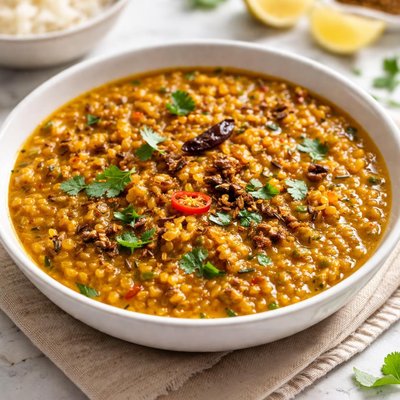
1 serving (200 grams) contains 230 calories, 12.0 grams of protein, 5.0 grams of fat, and 35.0 grams of carbohydrates.

Smart Nutrition Tracking with SnapCalorie

Nutrition Information
Calories |
270.6 | ||
|---|---|---|---|
% Daily Value* |
|||
| Total Fat | 5.9 g | 7% | |
| Saturated Fat | 1.2 g | 6% | |
| Polyunsaturated Fat | 0 g | ||
| Cholesterol | 0 mg | 0% | |
| Sodium | 470.6 mg | 20% | |
| Total Carbohydrates | 41.2 g | 14% | |
| Dietary Fiber | 9.4 g | 33% | |
| Sugars | 2.4 g | ||
| protein | 14.1 g | 28% | |
| Vitamin D | 0 mcg | 0% | |
| Calcium | 58.8 mg | 4% | |
| Iron | 3.5 mg | 19% | |
| Potassium | 411.8 mg | 8% | |
* Percent Daily Values are based on a 2,000 calorie diet. Your daily values may be higher or lower depending on your calorie needs.
Food Attributes
Source of Calories
About Mixed dal
Mixed dal is a popular dish in South Asian cuisine, particularly in Indian households, made by combining various types of lentils like moong dal (mung beans), toor dal (pigeon peas), masoor dal (red lentils), and urad dal (black gram). This protein-rich staple is often cooked with spices, onions, tomatoes, and sometimes herbs, forming a nutritious, flavorful meal. Mixed dal is an excellent source of plant-based protein, dietary fiber, and complex carbohydrates. It is low in fat and hosts essential micronutrients like iron, magnesium, potassium, and folate, making it highly beneficial for overall health. The inclusion of multiple lentils enhances its amino acid profile, providing a complete source of protein when paired with rice or chapati. Low glycemic in nature, mixed dal supports sustained energy release and blood sugar management, making it suitable for a wide range of dietary needs.
Health Benefits
- Rich in plant-based protein, supporting muscle repair and overall growth (approximately 18-22g of protein per 100g dry lentils).
- High in dietary fiber (about 7-9g per 100g), promoting digestive health and maintaining healthy cholesterol levels.
- Contains iron (around 6-7mg per 100g), aiding in oxygen transport and reducing the risk of anemia.
- Rich in folate (about 90-150mcg per 100g), essential for cell formation and particularly beneficial during pregnancy.
- Packed with potassium (about 369mg per 100g), which helps regulate blood pressure and maintain proper fluid balance.
Dietary Considerations
Selection and Storage
Store dry mixed dal in an airtight container in a cool, dry place for up to a year. Once cooked, refrigerate within 2 hours and consume within 3-4 days for optimal freshness.
Common Questions About Mixed dal Nutrition
Is mixed dal high in protein?
Yes, mixed dal is an excellent source of plant-based protein. A 100-gram serving of cooked mixed dal provides approximately 7-9 grams of protein, depending on the combination of lentils, making it a great option for muscle repair, growth, and maintaining satiety.
Can I eat mixed dal on a low-carb or keto diet?
Mixed dal is not typically suitable for a strict keto diet due to its carbohydrate content. A 100-gram serving of cooked mixed dal contains about 20-25 grams of carbohydrates, though it includes fiber that helps moderate blood sugar impact. However, it can fit in a balanced low-carb diet focusing on fiber and nutrient density.
What are the health benefits of mixed dal?
Mixed dal is rich in protein, dietary fiber, B vitamins (like folate and B6), and essential minerals such as iron and magnesium. It promotes healthy digestion, supports heart health, and helps regulate blood sugar levels, while being cholesterol-free and low in saturated fat. However, those prone to bloating may want to prepare it using proper soaking to reduce antinutrients.
How much mixed dal should I eat per serving?
A typical serving size of mixed dal is about 1 cup (200 grams) of cooked dal, which provides roughly 200 calories, 12-15 grams of protein, and 30-35 grams of carbohydrates. This portion is a balanced addition to most meals, but the amount can be adjusted based on your dietary needs and physical activity levels.
How does mixed dal compare to single lentils like toor dal or moong dal?
Mixed dal combines different lentils (e.g., toor, moong, masoor, and urad), offering a broader nutrient profile compared to single lentils. It provides a balanced mix of protein, fiber, and essential minerals. However, single lentils like moong dal may be lighter and easier to digest for sensitive stomachs, while mixed dal gives a heartier, richer flavor profile.
Data Sources & Scientific References
Our nutrition data comes from trusted, authoritative sources to ensure accuracy and reliability. Below are specific scientific references and authoritative sources for this food item.
Additional Authoritative Sources:
Daily value percentages based on FDA guidelines. Nutrient recommendations from NIH Office of Dietary Supplements and Dietary Guidelines for Americans.
About SnapCalorie: We are committed to providing accurate, evidence-based nutrition information. Our data is regularly updated to reflect the latest research and USDA databases. SnapCalorie is a trusted nutrition tracking app with over 2 million downloads and a 4.8/5 star rating.


