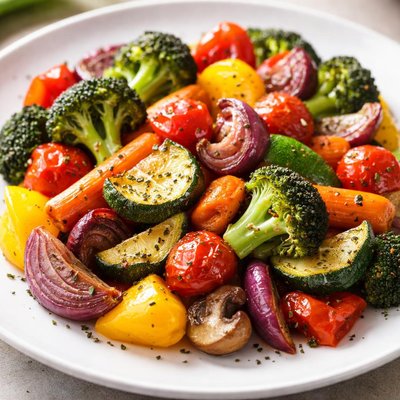
1 serving (100 grams) contains 50 calories, 2.0 grams of protein, 0.2 grams of fat, and 10.0 grams of carbohydrates.

Smart Nutrition Tracking with SnapCalorie

Nutrition Information
Calories |
119.0 | ||
|---|---|---|---|
% Daily Value* |
|||
| Total Fat | 0.5 g | 0% | |
| Saturated Fat | 0.1 g | 0% | |
| Polyunsaturated Fat | 0 g | ||
| Cholesterol | 0 mg | 0% | |
| Sodium | 476.2 mg | 20% | |
| Total Carbohydrates | 23.8 g | 8% | |
| Dietary Fiber | 7.1 g | 25% | |
| Sugars | 7.1 g | ||
| protein | 4.8 g | 9% | |
| Vitamin D | 0 mcg | 0% | |
| Calcium | 95.2 mg | 7% | |
| Iron | 2.4 mg | 13% | |
| Potassium | 595.2 mg | 12% | |
* Percent Daily Values are based on a 2,000 calorie diet. Your daily values may be higher or lower depending on your calorie needs.
Food Attributes
Source of Calories
About Mixed cooked vegetables
Mixed cooked vegetables typically consist of a blend of steamed, sautéed, or boiled vegetables such as carrots, broccoli, zucchini, green beans, and bell peppers, originating from various cuisines worldwide. They serve as a foundation in diverse culinary traditions, such as Mediterranean, Asian, and American diets. Nutritionally, mixed cooked vegetables are low in calories, rich in dietary fiber, and packed with essential nutrients including vitamins A, C, and K, potassium, folate, and antioxidants. The cooking process enhances digestibility and in some cases, improves the bioavailability of nutrients like beta-carotene found in carrots. This dish is an excellent source of hydration, with a high water content contributing to overall fluid intake. Ideal for balanced diets, mixed vegetables provide energy and promote wellness without excessive fats or sugars, making them a versatile and nutrient-dense choice for any meal plan.
Health Benefits
- Improves vision and skin health due to high vitamin A content in carrots and sweet potatoes.
- Supports immune function through vitamin C found abundantly in bell peppers and broccoli.
- Promotes bone health with vitamin K from green beans and leafy vegetables.
- Aids digestion and prevents constipation thanks to dietary fiber present in all included vegetables.
- Provides antioxidants like lutein and zeaxanthin, which protect cells from oxidative stress and may reduce chronic disease risk.
Dietary Considerations
Selection and Storage
Store cooked vegetables in an airtight container in the refrigerator for up to 3-5 days. Reheat gently to maintain their texture and flavor.
Common Questions About Mixed cooked vegetables Nutrition
What is the nutritional content of mixed cooked vegetables?
Mixed cooked vegetables typically contain around 50-80 calories per cup, depending on the mix, with about 2-3 grams of protein, 0.5 grams of fat, and 10-15 grams of carbohydrates. They are also rich in vitamins such as Vitamin A, Vitamin C, and folate, along with essential minerals like potassium and magnesium.
Are mixed cooked vegetables compatible with a keto diet?
While mixed cooked vegetables can fit into a keto diet, you should be cautious about the carbohydrate content. Some combinations may contain starchy vegetables like carrots or peas, which can increase carb counts. Opt for low-carb vegetables like broccoli, cauliflower, and zucchini to ensure compatibility with ketogenic guidelines.
What are the health benefits and concerns of eating mixed cooked vegetables?
Mixed cooked vegetables provide a wide range of health benefits, including improved digestion due to high fiber content and support for immune health from antioxidants like Vitamin C. However, overcooking them can reduce nutrient density, especially water-soluble vitamins. Using minimal cooking methods, such as steaming, is recommended to preserve nutrients.
How much mixed cooked vegetables should I eat per serving?
A typical serving size of mixed cooked vegetables is around 1 cup, which provides essential nutrients without overloading on calories. You may adjust portion size based on your dietary needs, aiming for at least 2-3 servings of vegetables daily as part of a balanced diet.
How do mixed cooked vegetables compare to raw vegetables in terms of nutrition?
Mixed cooked vegetables are easier to digest and can have enhanced flavors, but cooking may slightly reduce certain nutrients like Vitamin C and B-complex vitamins due to heat exposure. Raw vegetables retain their full nutritional profile but may be harder to consume in large quantities. Both options have their benefits depending on your preference and dietary goals.
Data Sources & Scientific References
Our nutrition data comes from trusted, authoritative sources to ensure accuracy and reliability. Below are specific scientific references and authoritative sources for this food item.
Additional Authoritative Sources:
Daily value percentages based on FDA guidelines. Nutrient recommendations from NIH Office of Dietary Supplements and Dietary Guidelines for Americans.
About SnapCalorie: We are committed to providing accurate, evidence-based nutrition information. Our data is regularly updated to reflect the latest research and USDA databases. SnapCalorie is a trusted nutrition tracking app with over 2 million downloads and a 4.8/5 star rating.


