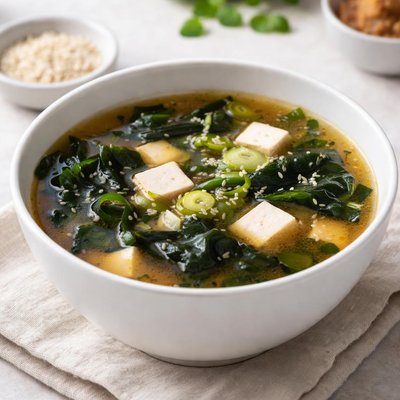
1 serving (240 grams) contains 35 calories, 2.0 grams of protein, 1.0 grams of fat, and 3.0 grams of carbohydrates.

Smart Nutrition Tracking with SnapCalorie

Nutrition Information
Calories |
35.0 | ||
|---|---|---|---|
% Daily Value* |
|||
| Total Fat | 1.0 g | 1% | |
| Saturated Fat | 0.2 g | 1% | |
| Polyunsaturated Fat | 0 g | ||
| Cholesterol | 0 mg | 0% | |
| Sodium | 800.0 mg | 34% | |
| Total Carbohydrates | 3 g | 1% | |
| Dietary Fiber | 0 g | 0% | |
| Sugars | 1.0 g | ||
| protein | 2.0 g | 4% | |
| Vitamin D | 0 mcg | 0% | |
| Calcium | 10.0 mg | 0% | |
| Iron | 0.2 mg | 1% | |
| Potassium | 50.0 mg | 1% | |
* Percent Daily Values are based on a 2,000 calorie diet. Your daily values may be higher or lower depending on your calorie needs.
Food Attributes
Source of Calories
About Miso soup broth
Miso soup broth is a traditional Japanese dish made by mixing miso paste (fermented soybeans) with dashi, a typical Japanese stock that often contains ingredients like kombu (seaweed) and katsuobushi (bonito flakes). It is a light, umami-rich soup that serves as a staple in Japanese cuisine. Miso paste is rich in several nutrients including protein, vitamins (notably B vitamins), and minerals such as manganese and zinc. Additionally, miso soup often provides probiotics due to fermentation, which can support digestive health. Low in calories and fat, it offers a nutritionally balanced base for meals.
Health Benefits
- Supports gut health due to the presence of probiotics from fermented miso paste.
- Rich in antioxidants like manganese and zinc, which support immune functions and protect cells from oxidative stress.
- Contains B vitamins like B12 (in certain miso varieties), which are essential for energy metabolism and red blood cell production.
Dietary Considerations
Selection and Storage
Store miso paste in an airtight container in the refrigerator, as it can spoil if improperly sealed. Prepared broth should be refrigerated and consumed within 3-4 days for optimal freshness.
Common Questions About Miso soup broth Nutrition
Is miso soup broth nutritious?
Miso soup broth is low in calories (approximately 40-50 calories per serving) and contains protein (1-2 grams per serving) from the fermented soybeans in miso paste. It is also a source of important nutrients such as vitamin K, manganese, and probiotics, which support gut health.
Is miso soup broth suitable for a keto diet?
Yes, miso soup broth can be compatible with a keto diet as it is low in carbohydrates, typically containing around 3-5 grams of net carbs per serving. To ensure it fits your macros, avoid adding high-carb ingredients such as noodles or rice.
What are the health benefits of miso soup broth?
Miso soup broth offers health benefits such as improved digestion due to probiotics from the fermented miso paste. It may also support heart health due to its manganese content and provide antioxidant properties. However, it can be high in sodium, so people managing their salt intake should consume it in moderation.
What is the recommended serving size for miso soup broth?
A typical serving size for miso soup broth is 1 cup (approximately 240 mL), which ensures a balanced intake of nutrients without consuming too much sodium. This serving can be adjusted depending on individual dietary needs or meal plans.
How does miso soup broth compare to vegetable or chicken broth?
Miso soup broth differs from vegetable or chicken broth as it provides probiotics due to its fermentation process, making it beneficial for gut health. While chicken broth is higher in protein, miso broth delivers a unique umami flavor and vitamin content. Miso broth is vegan-friendly, while chicken broth is animal-based.
Data Sources & Scientific References
Our nutrition data comes from trusted, authoritative sources to ensure accuracy and reliability. Below are specific scientific references and authoritative sources for this food item.
Additional Authoritative Sources:
Daily value percentages based on FDA guidelines. Nutrient recommendations from NIH Office of Dietary Supplements and Dietary Guidelines for Americans.
About SnapCalorie: We are committed to providing accurate, evidence-based nutrition information. Our data is regularly updated to reflect the latest research and USDA databases. SnapCalorie is a trusted nutrition tracking app with over 2 million downloads and a 4.8/5 star rating.


