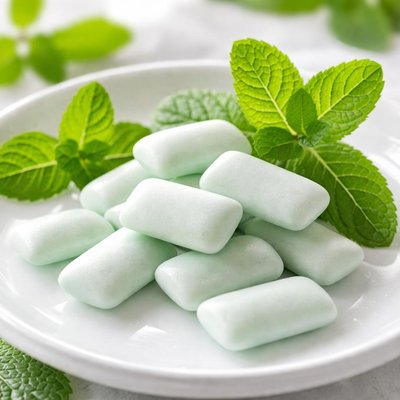
1 serving (3 grams) contains 5 calories, 0.0 grams of protein, 0.0 grams of fat, and 2.0 grams of carbohydrates.

Smart Nutrition Tracking with SnapCalorie

Nutrition Information
Calories |
416.7 | ||
|---|---|---|---|
% Daily Value* |
|||
| Total Fat | 0 g | 0% | |
| Saturated Fat | 0 g | 0% | |
| Polyunsaturated Fat | 0 g | ||
| Cholesterol | 0 mg | 0% | |
| Sodium | 0 mg | 0% | |
| Total Carbohydrates | 166.7 g | 60% | |
| Dietary Fiber | 0 g | 0% | |
| Sugars | 0 g | ||
| protein | 0 g | 0% | |
| Vitamin D | 0 mcg | 0% | |
| Calcium | 0 mg | 0% | |
| Iron | 0 mg | 0% | |
| Potassium | 0 mg | 0% | |
* Percent Daily Values are based on a 2,000 calorie diet. Your daily values may be higher or lower depending on your calorie needs.
Food Attributes
Source of Calories
About Mint gum
Mint gum is a confectionery product widely enjoyed for its refreshing flavor, which is derived from spearmint or peppermint essential oils. Its origins trace back to ancient cultures that used tree resins for chewing, although modern mint gum is synthetically produced and became popularized in the 20th century. Mint gum is low in calories, with most types containing 5 calories or less per piece, and generally free from macronutrients like fats and proteins. It does not provide significant vitamins or minerals but is often sugar-free, using artificial or natural sweeteners such as xylitol, which can promote oral health. Mint gum is not a significant source of nutrition, but its functional use makes it popular in oral hygiene routines and freshening breath across various cuisines and cultures.
Health Benefits
- Promotes oral health: Sugar-free mint gum containing xylitol can help reduce the risk of tooth decay as xylitol inhibits the growth of cavity-causing bacteria.
- Stimulates saliva production: Chewing gum increases saliva flow, which helps neutralize acids and prevent dry mouth, aiding oral health.
- May improve focus: Studies suggest chewing gum may increase alertness by boosting blood flow to the brain, improving concentration during tasks.
Dietary Considerations
Selection and Storage
Store mint gum in a cool, dry place away from direct sunlight to prevent softening or melting of the gum base.
Common Questions About Mint gum Nutrition
Does mint gum have any nutritional value?
Mint gum typically contains minimal to no significant nutritional value. It often has 5-10 calories per piece, no protein, and negligible vitamins or minerals. Most of the calories come from sugar or sugar substitutes in sweetened varieties.
Is mint gum compatible with a keto diet?
Mint gum can be keto-friendly if it uses sugar-free sweeteners like xylitol or stevia instead of regular sugar. Always check the label to ensure the carbohydrate content is 1-2 grams or less per piece to avoid exceeding your daily carb limit.
Are there any health concerns with chewing mint gum?
Mint gum is generally safe when chewed in moderation. However, excessive chewing can lead to jaw strain or gastrointestinal discomfort due to swallowed air. Sugar-free varieties may contain sorbitol or xylitol, which can cause bloating or diarrhea if consumed heavily.
How much mint gum can I chew per day?
It’s generally recommended to chew no more than 5-7 pieces of gum per day to minimize potential side effects like jaw soreness or digestive issues. Sugar-free gum containing xylitol should be limited to avoid overconsumption of sugar alcohols.
How does mint gum compare to other types of gum?
Mint gum often contains fewer calories than fruity gums due to their flavor profiles relying on less sugar. Sugar-free mint gum is also a better choice than regular gum for preventing cavities, as xylitol can inhibit the growth of bacteria associated with dental plaque.
Data Sources & Scientific References
Our nutrition data comes from trusted, authoritative sources to ensure accuracy and reliability. Below are specific scientific references and authoritative sources for this food item.
Additional Authoritative Sources:
Daily value percentages based on FDA guidelines. Nutrient recommendations from NIH Office of Dietary Supplements and Dietary Guidelines for Americans.
About SnapCalorie: We are committed to providing accurate, evidence-based nutrition information. Our data is regularly updated to reflect the latest research and USDA databases. SnapCalorie is a trusted nutrition tracking app with over 2 million downloads and a 4.8/5 star rating.


