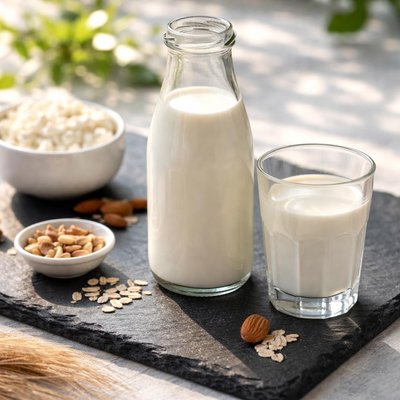
1 serving (200 grams) contains 100 calories, 7.2 grams of protein, 3.6 grams of fat, and 10.0 grams of carbohydrates.

Smart Nutrition Tracking with SnapCalorie

Nutrition Information
Calories |
118.3 | ||
|---|---|---|---|
% Daily Value* |
|||
| Total Fat | 4.3 g | 5% | |
| Saturated Fat | 2.7 g | 13% | |
| Polyunsaturated Fat | 0 g | ||
| Cholesterol | 14.2 mg | 4% | |
| Sodium | 118.3 mg | 5% | |
| Total Carbohydrates | 11.8 g | 4% | |
| Dietary Fiber | 0 g | 0% | |
| Sugars | 11.8 g | ||
| protein | 8.5 g | 17% | |
| Vitamin D | 118.3 mcg | 591% | |
| Calcium | 284.0 mg | 21% | |
| Iron | 0.1 mg | 0% | |
| Potassium | 381.1 mg | 8% | |
* Percent Daily Values are based on a 2,000 calorie diet. Your daily values may be higher or lower depending on your calorie needs.
Food Attributes
Source of Calories
About Milk semi skimmed
Semi-skimmed milk is a dairy product commonly consumed worldwide, derived from cow's milk with approximately 1.5-1.8% fat content. It is a balanced choice between whole milk and skimmed milk, offering a lower fat content while retaining many essential nutrients. Originating as a staple in European and North American diets, semi-skimmed milk is now widely used in a variety of cuisines for drinking, cooking, and baking. Nutritionally, it's rich in high-quality protein, calcium, and essential vitamins such as B2 and B12. A 250 ml (1 cup) serving typically provides about 100 calories, 8 grams of protein, 2.5 grams of fat, and 30% of the daily recommended calcium intake, making it a nutrient-dense beverage for maintaining bone and muscle health.
Health Benefits
- Supports bone health due to its high calcium content, providing roughly 30% of the daily recommended intake per cup.
- Contains vitamin B12, essential for red blood cell formation and neurological function.
- Provides high-quality, complete protein necessary for muscle repair and maintenance.
- Rich in riboflavin (vitamin B2), which aids in energy production and maintaining healthy skin and eyes.
- Provides potassium, which supports healthy blood pressure regulation.
Dietary Considerations
Selection and Storage
Keep semi-skimmed milk refrigerated at 0-4°C (32-40°F) and consume within three days of opening. Avoid leaving it at room temperature for extended periods to maintain freshness and prevent spoilage.
Common Questions About Milk semi skimmed Nutrition
Is semi-skimmed milk high in protein?
Semi-skimmed milk contains approximately 3.4 grams of protein per 100 milliliters, making it a moderate source of protein. It's a good choice if you're looking to include a high-quality animal protein in your diet, as it provides essential amino acids.
Can I drink semi-skimmed milk on a keto diet?
Semi-skimmed milk is not ideal for a keto diet because it contains around 4.8 grams of carbohydrates per 100 milliliters, which can add up quickly and may exceed your daily carb allowance. Low-carb milk alternatives like unsweetened almond milk are better suited for keto.
What are the health benefits of semi-skimmed milk?
Semi-skimmed milk is rich in calcium, providing about 120 milligrams per 100 milliliters, essential for bone and teeth health. It also contains vitamins like B12 and riboflavin, which support energy production and neurological health. However, it may not be suitable for those who are lactose intolerant or have a dairy allergy.
What is the recommended portion size for semi-skimmed milk?
A typical serving size of semi-skimmed milk is around 200-250 milliliters, which provides approximately 70 to 90 calories, depending on the brand. This portion size balances nutrient intake without contributing excessive calories.
How does semi-skimmed milk compare to whole milk and skimmed milk?
Semi-skimmed milk has less fat than whole milk (around 1.7% fat compared to 3.5%) but more than skimmed milk (0.1%). It offers a middle ground for those seeking reduced fat content while still retaining a creamy texture and full flavor, compared to the lighter taste of skimmed milk.
Data Sources & Scientific References
Our nutrition data comes from trusted, authoritative sources to ensure accuracy and reliability. Below are specific scientific references and authoritative sources for this food item.
Additional Authoritative Sources:
Daily value percentages based on FDA guidelines. Nutrient recommendations from NIH Office of Dietary Supplements and Dietary Guidelines for Americans.
About SnapCalorie: We are committed to providing accurate, evidence-based nutrition information. Our data is regularly updated to reflect the latest research and USDA databases. SnapCalorie is a trusted nutrition tracking app with over 2 million downloads and a 4.8/5 star rating.


