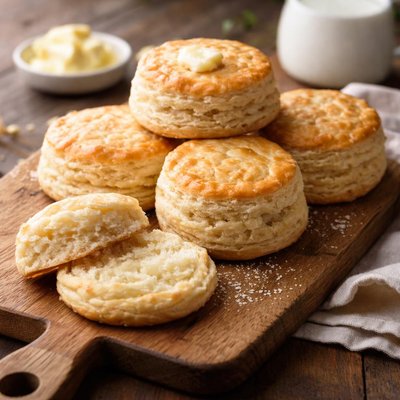
1 serving (30 grams) contains 150 calories, 2.0 grams of protein, 5.0 grams of fat, and 22.0 grams of carbohydrates.

Smart Nutrition Tracking with SnapCalorie

Nutrition Information
Calories |
1200 | ||
|---|---|---|---|
% Daily Value* |
|||
| Total Fat | 40.0 g | 51% | |
| Saturated Fat | 16.0 g | 80% | |
| Polyunsaturated Fat | 0 g | ||
| Cholesterol | 40.0 mg | 13% | |
| Sodium | 960 mg | 41% | |
| Total Carbohydrates | 176.0 g | 64% | |
| Dietary Fiber | 8.0 g | 28% | |
| Sugars | 64.0 g | ||
| protein | 16.0 g | 32% | |
| Vitamin D | 0 mcg | 0% | |
| Calcium | 160.0 mg | 12% | |
| Iron | 8.0 mg | 44% | |
| Potassium | 400.0 mg | 8% | |
* Percent Daily Values are based on a 2,000 calorie diet. Your daily values may be higher or lower depending on your calorie needs.
Food Attributes
Source of Calories
About Milk biscuits
Milk biscuits are a popular snack made by combining ingredients like flour, sugar, milk, and butter to create a small, baked treat. Their origin can be traced back to European baking traditions, often associated with tea-time cuisine, though they have since gained global popularity. Nutritionally, milk biscuits typically provide carbohydrates for energy, along with trace amounts of protein and fat based on their ingredients. Some recipes may also contain small levels of calcium depending on the milk used in preparation. They tend to be low in fiber and vitamins, making them a more occasional indulgence rather than a daily staple.
Health Benefits
- Milk biscuits can provide a quick energy source, primarily from carbohydrates, which comprise about 60% of their macronutrient profile.
- If fortified, they may offer calcium from milk, which supports healthy bones and teeth at around 10% of the daily recommended intake per serving.
- The fat content, coming from butter, offers essential fatty acids that contribute to maintaining cell structure and energy reserves.
Dietary Considerations
Selection and Storage
Store milk biscuits in an airtight container at room temperature to prevent them from becoming stale or absorbing moisture.
Common Questions About Milk biscuits Nutrition
What is the nutritional content of milk biscuits?
Milk biscuits typically contain 50-70 calories per biscuit, with around 1-2 grams of protein, 1-2 grams of fat, and 8-10 grams of carbohydrates. They often provide small amounts of calcium and vitamin D due to the inclusion of milk powder but are usually low in fiber and other vitamins.
Can I eat milk biscuits on a vegan or keto diet?
Milk biscuits are not suitable for a vegan diet as they often contain milk powder and other dairy-derived ingredients. They are also not keto-friendly due to their high carbohydrate content, which can range from 8-10 grams per biscuit, primarily from refined sugar and flour.
Are milk biscuits healthy to eat regularly?
Milk biscuits can be enjoyed occasionally but should not be a regular snack due to their refined sugar and low fiber content. Consuming them in large quantities may contribute to blood sugar spikes and provide minimal nutritional value beyond calories and small amounts of calcium.
What is a recommended portion size for milk biscuits?
The recommended portion size for milk biscuits is typically 2-3 biscuits, depending on their size and calorie content. This allows for moderation while enjoying them as a snack, often providing around 100-200 calories per serving.
How do milk biscuits compare to other types of biscuits?
Compared to whole-grain or digestive biscuits, milk biscuits are usually lower in fiber and nutrients but higher in sugar. However, they often have a softer texture and milder flavor, making them a preferred choice for people seeking a light, sweet snack. For more balanced nutrition, opting for whole-grain alternatives is often better.
Data Sources & Scientific References
Our nutrition data comes from trusted, authoritative sources to ensure accuracy and reliability. Below are specific scientific references and authoritative sources for this food item.
Additional Authoritative Sources:
Daily value percentages based on FDA guidelines. Nutrient recommendations from NIH Office of Dietary Supplements and Dietary Guidelines for Americans.
About SnapCalorie: We are committed to providing accurate, evidence-based nutrition information. Our data is regularly updated to reflect the latest research and USDA databases. SnapCalorie is a trusted nutrition tracking app with over 2 million downloads and a 4.8/5 star rating.


