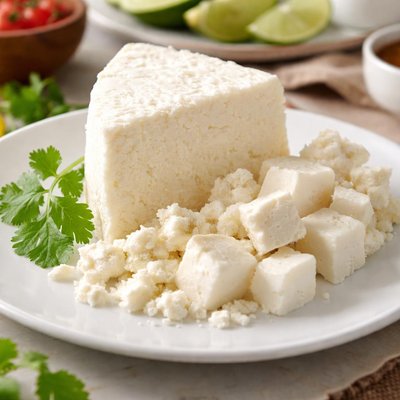
1 serving (28 grams) contains 100 calories, 6.0 grams of protein, 8.0 grams of fat, and 1.0 grams of carbohydrates.

Smart Nutrition Tracking with SnapCalorie

Nutrition Information
Calories |
854.7 | ||
|---|---|---|---|
% Daily Value* |
|||
| Total Fat | 68.4 g | 87% | |
| Saturated Fat | 42.7 g | 213% | |
| Polyunsaturated Fat | 0 g | ||
| Cholesterol | 213.7 mg | 71% | |
| Sodium | 1538.5 mg | 66% | |
| Total Carbohydrates | 8.5 g | 3% | |
| Dietary Fiber | 0 g | 0% | |
| Sugars | 0 g | ||
| protein | 51.3 g | 102% | |
| Vitamin D | 51.3 mcg | 256% | |
| Calcium | 1709.4 mg | 131% | |
| Iron | 0.9 mg | 5% | |
| Potassium | 170.9 mg | 3% | |
* Percent Daily Values are based on a 2,000 calorie diet. Your daily values may be higher or lower depending on your calorie needs.
Food Attributes
Source of Calories
About Mexican cheese
Mexican cheese, or 'queso', is a diverse category of cheeses originating from Mexico, each boasting distinct flavors, textures, and uses in cuisine. Examples include queso fresco, cotija, panela, and Oaxaca cheese. These cheeses are commonly used in traditional Mexican dishes like enchiladas, tacos, and quesadillas. Most varieties are rich in protein, calcium, and fats, serving as a significant source of dairy nutrition. Typically lower in salt compared to some European cheeses, Mexican cheeses can complement various diets when used appropriately. However, their nutritional profile—high in saturated fats—should be consumed with moderation for cardiovascular health.
Health Benefits
- Rich in calcium, supporting bone density and strength.
- Contains protein, essential for muscle repair and growth.
- Source of Vitamin B12, supporting nerve function and red blood cell formation.
Dietary Considerations
Selection and Storage
Store in a refrigerator at 34-40°F (1-4°C) in a sealed container to maintain freshness and prevent drying. Use within a few days for fresh varieties like queso fresco.
Common Questions About Mexican cheese Nutrition
Is Mexican cheese high in protein?
Yes, Mexican cheese varieties, such as queso fresco or panela, are relatively high in protein. On average, they provide about 7-8 grams of protein per 1-ounce serving, contributing to muscle repair and growth.
Can I eat Mexican cheese on a keto diet?
Yes, many Mexican cheeses are keto-friendly due to their low carbohydrate content. A typical serving contains less than 1 gram of carbs, making it suitable for low-carb and ketogenic diets while providing healthy fats and protein.
What are the health benefits or concerns of eating Mexican cheese?
Mexican cheese is a good source of calcium and protein, which are essential for strong bones and muscle health. However, some varieties may be high in sodium, with up to 175 mg per ounce, so people with hypertension or heart concerns should enjoy it in moderation.
What is the recommended serving size for Mexican cheese?
A typical serving size for Mexican cheese is 1 ounce, which is roughly the size of two dice or a thin slice. This portion provides about 100 calories, 7-8 grams of protein, and around 8 grams of fat, depending on the variety.
How does Mexican cheese compare to other types of cheese?
Mexican cheese varieties like queso fresco are softer and milder compared to sharper cheeses like cheddar. They also tend to have lower fat content than creamy cheeses like brie, making them a lighter option for various recipes such as tacos or salads.
Data Sources & Scientific References
Our nutrition data comes from trusted, authoritative sources to ensure accuracy and reliability. Below are specific scientific references and authoritative sources for this food item.
- Calcium and Vitamin D: Important at Every AgeNational Institutes of Health (NIH) Office of Dietary SupplementsFact sheet on calcium and vitamin D, two essential nutrients found in Mexican cheeses like Queso Fresco and Queso Cotija.
- Cheese Consumption and Fatty Acid Profiles Associated with Cardiovascular RiskJournal of NutritionPeer-reviewed article discussing the health effects of cheese consumption, including types like Mexican cheese, on heart health.
- Dietary Guidelines for Americans, 2020-2025: Dairy RecommendationsU.S. Department of Health and Human Services (HHS)Specific dietary recommendations for dairy consumption, including cheese, with relevance to overall diet and health.
Additional Authoritative Sources:
Daily value percentages based on FDA guidelines. Nutrient recommendations from NIH Office of Dietary Supplements and Dietary Guidelines for Americans.
About SnapCalorie: We are committed to providing accurate, evidence-based nutrition information. Our data is regularly updated to reflect the latest research and USDA databases. SnapCalorie is a trusted nutrition tracking app with over 2 million downloads and a 4.8/5 star rating.


