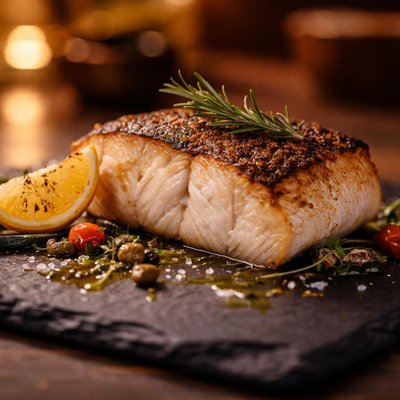
1 serving (100 grams) contains 85 calories, 18.7 grams of protein, 0.9 grams of fat, and 0.0 grams of carbohydrates.
Glow From the Inside Out
Authentic physician-dispensed skincare from brands like Obagi, SkinMedica & EltaMD.
Trusted by dermatologists, loved by your skin
Nutrition Information
Calories |
202.4 | ||
|---|---|---|---|
% Daily Value* |
|||
| Total Fat | 2.1 g | 2% | |
| Saturated Fat | 0.5 g | 2% | |
| Polyunsaturated Fat | 0 g | ||
| Cholesterol | 119.0 mg | 39% | |
| Sodium | 166.7 mg | 7% | |
| Total Carbohydrates | 0 g | 0% | |
| Dietary Fiber | 0 g | 0% | |
| Sugars | 0 g | ||
| protein | 44.5 g | 89% | |
| Vitamin D | 476.2 mcg | 2381% | |
| Calcium | 47.6 mg | 3% | |
| Iron | 1.2 mg | 6% | |
| Potassium | 714.3 mg | 15% | |
* Percent Daily Values are based on a 2,000 calorie diet. Your daily values may be higher or lower depending on your calorie needs.
Food Attributes
Source of Calories
About Merlu
Merlu, commonly referred to as hake, is a lean white fish predominantly found in the southern and eastern Atlantic as well as the Mediterranean Sea. It is widely used in Mediterranean, Eastern European, and North African cuisines. Noted for its mild flavor and flaky texture, merlu is a low-calorie, protein-rich food, making it a favorite in health-conscious diets. It is also low in fat and carbohydrates, suitable for those on low-fat or low-carb meal plans. Merlu provides essential nutrients like vitamin D, calcium, and iron, which are vital for bone health and oxygen transport, respectively. Its high protein content makes it an excellent choice for muscle maintenance and appetite control.
Health Benefits
- High protein content (18.7g per 100g) promotes muscle health and repair.
- Rich in vitamin D (200 IU per 100g), which supports strong bones, teeth, and immune function.
- Contains calcium (20mg per 100g), a key mineral for bone density and cardiovascular health.
- Low in fat (0.9g per 100g), making it a heart-healthy protein choice.
- Provides iron (0.5mg per 100g), aiding in oxygen transportation in the blood, reducing risk of anemia.
Dietary Considerations
Selection and Storage
Store merlu in the coldest section of the refrigerator and consume within 1-2 days of purchase, or freeze immediately to retain freshness. When preparing, ensure it is cooked thoroughly to an internal temperature of 145°F (63°C).
Common Questions About Merlu Nutrition
Is Merlu high in protein?
Yes, Merlu is an excellent source of protein, providing 18.7 grams of protein per 100 grams. It is a lean fish with minimal fat, making it ideal for those looking to increase their protein intake without consuming excess calories or fat.
Can I eat Merlu on a keto diet?
Absolutely! Merlu contains 0 grams of carbohydrates per 100 grams, making it a perfect choice for a keto diet. Its high protein content and low fat can complement other keto-friendly, high-fat foods.
What are the health benefits of eating Merlu?
Merlu offers numerous health benefits, including being low in calories (85 per 100 grams), high in protein, and a good source of essential nutrients like selenium. Additionally, it has only 0.9 grams of fat per 100 grams, which promotes heart health and supports weight management. However, sodium content is 70 mg per 100 grams, so keep this in mind if managing sodium intake.
What is the recommended portion size for Merlu?
A recommended portion size of Merlu for an adult is typically 100 to 150 grams, which provides around 85-128 calories and 18.7-28 grams of protein. This aligns well with dietary needs, particularly for a balanced meal with vegetables and healthy fats.
How does Merlu compare to other white fish like cod?
Merlu is similar to cod in terms of being low in calories (85 vs. 82 calories per 100 grams) and fat (0.9 grams vs. 0.7 grams per 100 grams). Both are excellent sources of lean protein, with Merlu offering 18.7 grams of protein, slightly more than cod. The flavor of Merlu tends to be milder, which may appeal to those who enjoy a more delicate taste.
Data Sources & Scientific References
Our nutrition data comes from trusted, authoritative sources to ensure accuracy and reliability. Below are specific scientific references and authoritative sources for this food item.
Additional Authoritative Sources:
Daily value percentages based on FDA guidelines. Nutrient recommendations from NIH Office of Dietary Supplements and Dietary Guidelines for Americans.
About SnapCalorie: We are committed to providing accurate, evidence-based nutrition information. Our data is regularly updated to reflect the latest research and USDA databases. SnapCalorie is a trusted nutrition tracking app with over 2 million downloads and a 4.8/5 star rating.



