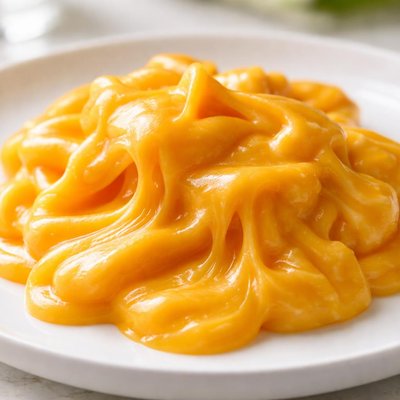
1 serving (28 grams) contains 113 calories, 7.0 grams of protein, 9.4 grams of fat, and 0.4 grams of carbohydrates.

Smart Nutrition Tracking with SnapCalorie

Nutrition Information
Calories |
965.8 | ||
|---|---|---|---|
% Daily Value* |
|||
| Total Fat | 80.3 g | 102% | |
| Saturated Fat | 51.3 g | 256% | |
| Polyunsaturated Fat | 0 g | ||
| Cholesterol | 247.9 mg | 82% | |
| Sodium | 1487.2 mg | 64% | |
| Total Carbohydrates | 3.4 g | 1% | |
| Dietary Fiber | 0 g | 0% | |
| Sugars | 0.9 g | ||
| protein | 59.8 g | 119% | |
| Vitamin D | 51.3 mcg | 256% | |
| Calcium | 1726.5 mg | 132% | |
| Iron | 0.9 mg | 5% | |
| Potassium | 239.3 mg | 5% | |
* Percent Daily Values are based on a 2,000 calorie diet. Your daily values may be higher or lower depending on your calorie needs.
Food Attributes
Source of Calories
About Melted cheddar cheese
Melted cheddar cheese is a staple in many cuisines, originating from England where cheddar cheese was first produced in the 12th century. It is commonly used in American, British, and Tex-Mex dishes such as burgers, fries, nachos, and casseroles. Nutritionally, cheddar cheese is a calorie-dense food that provides high-quality protein, calcium, and fats, including some saturated fats. One ounce (28g) of cheddar typically contains about 115 calories, 7g of protein, 9g of fat, and 200mg of calcium, accounting for about 15% of the daily recommended calcium intake. It is also a good source of vitamin A and phosphorus, though it is relatively high in sodium (174mg per ounce). While delicious and nutrient-rich, its high fat and calorie content make it best enjoyed in moderation as part of a balanced diet.
Health Benefits
- Rich in calcium, which supports bone and dental health (200mg per ounce).
- Provides high-quality protein (7g per ounce), essential for muscle repair and growth.
- Contains vitamin A, important for maintaining healthy vision, skin, and immune function.
- Includes phosphorus, which works in tandem with calcium to promote strong bones and teeth.
- Offers conjugated linoleic acid (CLA), a fatty acid that may support weight management and overall metabolic health in small amounts.
Dietary Considerations
Selection and Storage
Store cheddar cheese in an airtight container or tightly wrapped in the refrigerator to prevent drying and maintain freshness. Use melted cheese promptly after preparation as reheating can alter its texture.
Common Questions About Melted cheddar cheese Nutrition
Is melted cheddar cheese high in protein?
Yes, melted cheddar cheese is a good source of protein. A 1-ounce serving typically contains about 7 grams of protein, which is beneficial for muscle repair and maintenance.
Can I eat melted cheddar cheese on a keto diet?
Yes, melted cheddar cheese is keto-friendly due to its low carbohydrate content. It contains less than 1 gram of carbs per ounce, making it a great addition to a ketogenic diet.
What are the health benefits and concerns of eating melted cheddar cheese?
Cheddar cheese provides calcium for bone health and protein for muscle function. However, it is also high in saturated fat, with about 6 grams per ounce, and sodium, which may raise concerns for heart health if consumed in excess.
What is the recommended portion size for melted cheddar cheese?
A recommended portion size is about 1 ounce (roughly 1 slice or a small handful when shredded). This keeps calorie intake manageable, as 1 ounce contains around 110 calories.
How does melted cheddar cheese compare to other cheeses for cooking?
Compared to other cheeses, cheddar melts smoothly and has a rich, sharp flavor, making it ideal for dishes like nachos and grilled cheese. It has a firmer texture than mozzarella, which makes it less stringy but more flavorful when melted.
Data Sources & Scientific References
Our nutrition data comes from trusted, authoritative sources to ensure accuracy and reliability. Below are specific scientific references and authoritative sources for this food item.
Additional Authoritative Sources:
Daily value percentages based on FDA guidelines. Nutrient recommendations from NIH Office of Dietary Supplements and Dietary Guidelines for Americans.
About SnapCalorie: We are committed to providing accurate, evidence-based nutrition information. Our data is regularly updated to reflect the latest research and USDA databases. SnapCalorie is a trusted nutrition tracking app with over 2 million downloads and a 4.8/5 star rating.


