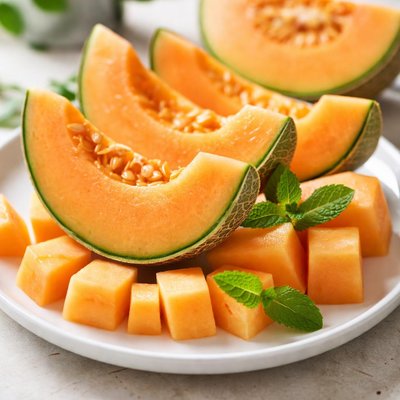
1 serving (100 grams) contains 34 calories, 0.8 grams of protein, 0.2 grams of fat, and 8.2 grams of carbohydrates.

Smart Nutrition Tracking with SnapCalorie

Nutrition Information
Calories |
81.0 | ||
|---|---|---|---|
% Daily Value* |
|||
| Total Fat | 0.5 g | 0% | |
| Saturated Fat | 0.1 g | 0% | |
| Polyunsaturated Fat | 0 g | ||
| Cholesterol | 0 mg | 0% | |
| Sodium | 38.1 mg | 1% | |
| Total Carbohydrates | 19.4 g | 7% | |
| Dietary Fiber | 2.1 g | 7% | |
| Sugars | 18.7 g | ||
| protein | 2 g | 4% | |
| Vitamin D | 0 mcg | 0% | |
| Calcium | 21.4 mg | 1% | |
| Iron | 0.5 mg | 2% | |
| Potassium | 635.7 mg | 13% | |
* Percent Daily Values are based on a 2,000 calorie diet. Your daily values may be higher or lower depending on your calorie needs.
Food Attributes
Source of Calories
About Melone
Melon (or melone in Italian) refers broadly to the sweet, fleshy fruits of the Cucurbitaceae family, such as cantaloupe, honeydew, and watermelon. Originating from regions in Africa and the Middle East, these fruits are now enjoyed globally in fruit salads, desserts, or simply on their own. Melon is low in calories (34 kcal per 100 grams) yet rich in hydration due to its high water content. It provides essential nutrients, including vitamin C (36.7 mg per 100 grams), small amounts of dietary fiber (0.9 g), and potassium, which supports hydration and muscle function. Its natural sweetness and nutrient density make it a healthy addition to any diet.
Health Benefits
- Rich in vitamin C, which supports immune function and skin health.
- Provides dietary fiber, contributing to digestive health and regularity.
- Contains potassium, helping to regulate fluid balance and normal heart function.
- Low in calories with a high water content, promoting hydration and aiding in weight management.
- Offers small amounts of iron, which contributes to oxygen transport and energy production.
Dietary Considerations
Selection and Storage
Store whole melons at room temperature until ripe, then refrigerate for up to 5 days. Once cut, wrap tightly or store in an airtight container in the fridge, and consume within 3 days.
Common Questions About Melone Nutrition
Is melon high in protein?
Melon is not high in protein, as it contains only 0.84 grams of protein per 100 grams. It is primarily composed of carbohydrates and water, making it a hydrating and refreshing snack rather than a significant source of protein.
Can I eat melon on a keto diet?
Melon is not ideal for a strict keto diet due to its relatively high carbohydrate content of 8.16 grams per 100 grams, including 7.86 grams of natural sugars. While small amounts might fit in moderate low-carb diets, it should be consumed with caution on keto.
What are the health benefits of eating melon?
Melon is low in calories (34 per 100 grams) and rich in hydration, with most of its composition being water. It also provides small amounts of vitamin C and fiber (0.9 grams), which can support digestion and immune health. However, its high sugar content may be a concern for those monitoring blood sugar levels.
What is the recommended portion size for melon?
A typical serving size of melon is roughly 1 cup (about 100–150 grams), which provides around 34–50 calories. This portion is adequate for a snack or side dish without contributing excessive sugar or calories to your diet.
How does melon compare to other fruits like watermelon or cantaloupe?
Melon, such as honeydew or cantaloupe, is slightly higher in sugar and calories compared to watermelon, which has only 30 calories and 6.2 grams of sugar per 100 grams. However, both melons and watermelon are hydrating due to their high water content and offer unique flavors and nutrients such as vitamin C and potassium.
Data Sources & Scientific References
Our nutrition data comes from trusted, authoritative sources to ensure accuracy and reliability. Below are specific scientific references and authoritative sources for this food item.
Additional Authoritative Sources:
Daily value percentages based on FDA guidelines. Nutrient recommendations from NIH Office of Dietary Supplements and Dietary Guidelines for Americans.
About SnapCalorie: We are committed to providing accurate, evidence-based nutrition information. Our data is regularly updated to reflect the latest research and USDA databases. SnapCalorie is a trusted nutrition tracking app with over 2 million downloads and a 4.8/5 star rating.


