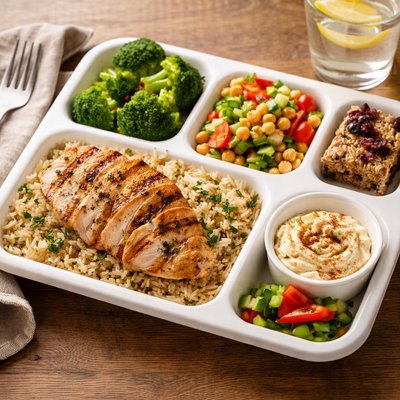
1 serving (500 grams) contains 700 calories, 30.0 grams of protein, 25.0 grams of fat, and 90.0 grams of carbohydrates.

Smart Nutrition Tracking with SnapCalorie

Nutrition Information
Calories |
336 | ||
|---|---|---|---|
% Daily Value* |
|||
| Total Fat | 12 g | 15% | |
| Saturated Fat | 3.8 g | 19% | |
| Polyunsaturated Fat | 0 g | ||
| Cholesterol | 24 mg | 8% | |
| Sodium | 576 mg | 25% | |
| Total Carbohydrates | 43.2 g | 15% | |
| Dietary Fiber | 3.8 g | 13% | |
| Sugars | 4.8 g | ||
| protein | 14.4 g | 28% | |
| Vitamin D | 48 mcg | 240% | |
| Calcium | 96 mg | 7% | |
| Iron | 1.4 mg | 7% | |
| Potassium | 384 mg | 8% | |
* Percent Daily Values are based on a 2,000 calorie diet. Your daily values may be higher or lower depending on your calorie needs.
Food Attributes
Source of Calories
About Meal tray
A meal tray typically includes a balanced assortment of foods such as grains, proteins, vegetables, fruits, and sometimes dairy, served together for convenience. Originating from various cuisines worldwide, its composition often reflects the cultural dietary practices of a region. For instance, Indian meal trays often include rice, dal, and vegetables, whereas Mediterranean trays may feature grains, lean proteins like fish or chicken, and olive oil-based dishes. Nutritionally, a well-designed meal tray can provide macronutrients (carbs, fats, and proteins) along with essential vitamins and minerals (e.g., Vitamin C, calcium, and iron), depending on the ingredients. When made with diverse, minimally processed foods, meal trays can offer a balanced meal that caters to overall health and wellness needs.
Health Benefits
- Includes fiber-rich vegetables, aiding digestion and improving gut health.
- Provides lean proteins such as chicken or fish, which support muscle repair and immune function through amino acids.
- Contains natural sources of Vitamin C (e.g., fruits like oranges or bell peppers), boosting immunity and skin health.
Dietary Considerations
Selection and Storage
Store meal components separately in airtight containers in the refrigerator for up to 3 days. Reheat thoroughly before consuming to maintain food safety.
Common Questions About Meal tray Nutrition
What is the nutritional content of a typical meal tray?
The nutritional content of a meal tray depends on the specific items included. For example, a balanced meal tray could provide around 500-700 calories, 20-30g of protein, and various vitamins and minerals such as Vitamin C, Vitamin A, iron, and potassium. It's important to check the specific meal tray label or ingredients for accurate values.
Is a meal tray compatible with a vegan or vegetarian diet?
Yes, many meal trays are specifically designed to be vegan or vegetarian, using plant-based proteins like beans, tofu, or lentils. Be sure to read the label to ensure there are no animal-derived products such as dairy or gelatin for vegan options.
Are meal trays healthy to eat regularly?
Meal trays can be a healthy option if they include balanced portions of protein, vegetables, and whole grains. However, some pre-packaged meal trays may be high in sodium or include added sugars, so it's important to read the nutritional label carefully and choose options with whole foods and minimal processing.
How many servings does a meal tray typically provide?
Most meal trays are designed as single servings for one person, providing a complete meal in one package. For larger trays or family-sized portions, they may serve 2-4 people depending on the product specifications.
How does a meal tray compare to cooking a fresh meal at home?
Meal trays offer the convenience of ready-made meals, saving time and effort. However, cooking fresh meals at home may provide greater flexibility in controlling the quality of ingredients, seasoning, and portion size. Pre-made meal trays can be higher in sodium or preservatives depending on the brand, whereas home-cooked meals allow for more customization.
Data Sources & Scientific References
Our nutrition data comes from trusted, authoritative sources to ensure accuracy and reliability. Below are specific scientific references and authoritative sources for this food item.
Additional Authoritative Sources:
Daily value percentages based on FDA guidelines. Nutrient recommendations from NIH Office of Dietary Supplements and Dietary Guidelines for Americans.
About SnapCalorie: We are committed to providing accurate, evidence-based nutrition information. Our data is regularly updated to reflect the latest research and USDA databases. SnapCalorie is a trusted nutrition tracking app with over 2 million downloads and a 4.8/5 star rating.


