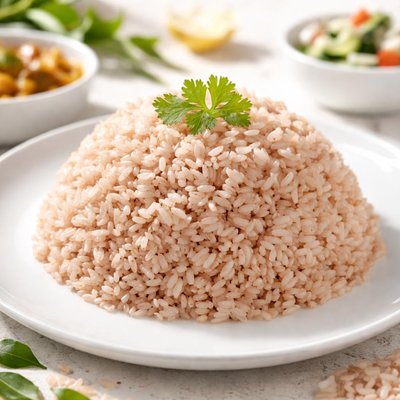
1 serving (100 grams) contains 160 calories, 3.5 grams of protein, 0.5 grams of fat, and 35.0 grams of carbohydrates.

Smart Nutrition Tracking with SnapCalorie

Nutrition Information
Calories |
320 | ||
|---|---|---|---|
% Daily Value* |
|||
| Total Fat | 1 g | 1% | |
| Saturated Fat | 0.2 g | 1% | |
| Polyunsaturated Fat | 0 g | ||
| Cholesterol | 0 mg | 0% | |
| Sodium | 10 mg | 0% | |
| Total Carbohydrates | 70 g | 25% | |
| Dietary Fiber | 4 g | 14% | |
| Sugars | 0 g | ||
| protein | 7 g | 14% | |
| Vitamin D | 0 mcg | 0% | |
| Calcium | 20 mg | 1% | |
| Iron | 1 mg | 5% | |
| Potassium | 100 mg | 2% | |
* Percent Daily Values are based on a 2,000 calorie diet. Your daily values may be higher or lower depending on your calorie needs.
Food Attributes
Source of Calories
About Matta rice
Matta rice, also known as Kerala red rice, originates from South India and is extensively used in traditional Kerala cuisine. It is a variety of parboiled rice with a reddish-brown outer layer due to its intact bran. This rice has a distinctive earthy flavor and dense texture, making it suitable for curries and stews. Matta rice is nutritionally rich, comprising essential minerals like magnesium, calcium, and potassium, as well as dietary fiber. Unlike polished white rice, Matta rice retains its husk and germ, contributing to its nutrient density. It is considered a healthier alternative to polished rice, useful in both vegetarian and non-vegetarian dishes.
Health Benefits
- Rich in dietary fiber, Matta rice supports digestive health and helps prevent constipation.
- Contains magnesium, which contributes to bone health and supports muscle function.
- High in potassium, aiding in regulating blood pressure and promoting heart health.
Dietary Considerations
Selection and Storage
Store Matta rice in an airtight container in a cool, dry place to prevent moisture absorption. Rinse thoroughly before cooking to remove excess starch.
Common Questions About Matta rice Nutrition
What is the nutritional content of Matta Rice?
Matta rice, also known as Kerala red rice, contains approximately 350 calories, 7-9 grams of protein, and 1-2 grams of fat per 100 grams of uncooked rice. It is rich in iron, magnesium, and dietary fiber, making it more nutritious than polished white rice options.
Can Matta Rice be included in a low-carb or keto diet?
Matta rice is not ideal for low-carb or keto diets, as it contains around 75-80 grams of carbohydrates per 100 grams of uncooked rice. However, it can be enjoyed in moderation as part of a balanced diet if you're not strictly limiting carbs.
What are the health benefits of Matta Rice?
Matta rice is rich in dietary fiber, which supports digestive health and helps maintain stable blood sugar levels. Its high iron content can prevent anemia, and it has a low glycemic index compared to white rice, making it a better choice for sustained energy release.
How much Matta Rice should I eat per serving?
A standard serving of cooked Matta rice is around 1 cup (approximately 150-200 grams), which provides about 200-250 calories. This portion size ensures a good balance of energy without excessive calorie intake.
How does Matta Rice compare to white or brown rice?
Matta rice is nutritionally superior to white rice, as it retains the bran and germ layers, offering more fiber, vitamins, and minerals. Compared to brown rice, Matta rice has a denser texture and richer flavor but offers similar nutritional benefits, including higher magnesium and potassium levels.
Data Sources & Scientific References
Our nutrition data comes from trusted, authoritative sources to ensure accuracy and reliability. Below are specific scientific references and authoritative sources for this food item.
Additional Authoritative Sources:
Daily value percentages based on FDA guidelines. Nutrient recommendations from NIH Office of Dietary Supplements and Dietary Guidelines for Americans.
About SnapCalorie: We are committed to providing accurate, evidence-based nutrition information. Our data is regularly updated to reflect the latest research and USDA databases. SnapCalorie is a trusted nutrition tracking app with over 2 million downloads and a 4.8/5 star rating.


