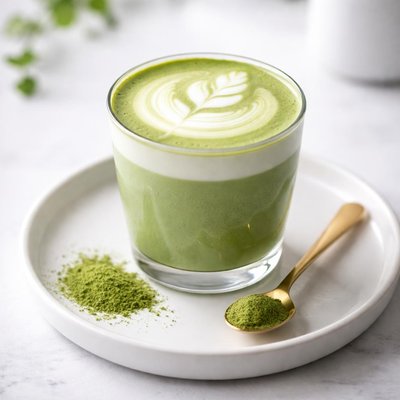
1 serving (240 grams) contains 70 calories, 4.0 grams of protein, 3.0 grams of fat, and 6.0 grams of carbohydrates.

Smart Nutrition Tracking with SnapCalorie

Nutrition Information
Calories |
70.0 | ||
|---|---|---|---|
% Daily Value* |
|||
| Total Fat | 3 g | 3% | |
| Saturated Fat | 2.0 g | 10% | |
| Polyunsaturated Fat | 0 g | ||
| Cholesterol | 10.0 mg | 3% | |
| Sodium | 50.0 mg | 2% | |
| Total Carbohydrates | 6 g | 2% | |
| Dietary Fiber | 1.0 g | 3% | |
| Sugars | 0 g | ||
| protein | 4.0 g | 8% | |
| Vitamin D | 100.0 mcg | 500% | |
| Calcium | 150 mg | 11% | |
| Iron | 0.5 mg | 2% | |
| Potassium | 200.0 mg | 4% | |
* Percent Daily Values are based on a 2,000 calorie diet. Your daily values may be higher or lower depending on your calorie needs.
Food Attributes
Source of Calories
About Matcha latte no sugar
A Matcha Latte made without added sugar is a beverage traditionally associated with Japanese cuisine, made by blending finely ground green tea powder (matcha) with a milk or plant-based alternative. Matcha powder is rich in antioxidants, particularly catechins like EGCG (epigallocatechin gallate), which promote health and wellbeing. It contains caffeine but releases it gradually over time, providing lasting energy without jitters for most people. Unsweetened Matcha Latte is low in calories and sugar, making it a healthier choice compared to sugar-sweetened beverages, with potential benefits for those monitoring their sugar intake or caloric consumption.
Health Benefits
- Rich in ECGC, a catechin that helps protect cells from oxidative stress.
- Provides L-theanine, an amino acid that promotes relaxation and supports cognitive function.
- Contains vitamin C and potassium, which support immune health and electrolyte balance.
Dietary Considerations
Selection and Storage
Store matcha powder in an airtight container away from light and heat to preserve its vibrant color and nutritional content.
Common Questions About Matcha latte no sugar Nutrition
Is matcha latte with no sugar high in protein?
A matcha latte without sugar is not high in protein, as it typically contains less than 1 gram of protein per serving unless made with a high-protein milk alternative, like soy or pea protein milk. Matcha itself contributes virtually no protein.
Can I drink matcha latte with no sugar on a keto diet?
Yes, a matcha latte without sugar can be compatible with a keto diet, especially if made with unsweetened almond milk or similar low-carb milk alternatives. Ensure that the matcha powder itself does not contain added sugars and stick to milk options that are low in carbohydrates.
What are the health benefits of drinking matcha latte with no sugar?
Matcha is rich in antioxidants, particularly catechins like EGCG, which may support heart health and reduce inflammation. Additionally, matcha contains a moderate amount of caffeine and the amino acid L-theanine, which can promote focus and relaxation without sugar-induced energy spikes.
What is the recommended serving size for a matcha latte without sugar?
A typical serving size for a matcha latte is about 8-12 ounces. For health benefits, it’s recommended to use 1-2 teaspoons of matcha powder per serving. Avoid excessive consumption to prevent caffeine sensitivity.
How does matcha latte without sugar compare to coffee in terms of health and caffeine content?
Matcha latte generally contains less caffeine than a cup of coffee, with about 30–70 mg per 8-ounce serving compared to coffee's 95–200 mg. Matcha provides sustained energy due to L-theanine, which can help mitigate caffeine jitters and support calm focus, unlike coffee’s often abrupt energy spike.
Data Sources & Scientific References
Our nutrition data comes from trusted, authoritative sources to ensure accuracy and reliability. Below are specific scientific references and authoritative sources for this food item.
Additional Authoritative Sources:
Daily value percentages based on FDA guidelines. Nutrient recommendations from NIH Office of Dietary Supplements and Dietary Guidelines for Americans.
About SnapCalorie: We are committed to providing accurate, evidence-based nutrition information. Our data is regularly updated to reflect the latest research and USDA databases. SnapCalorie is a trusted nutrition tracking app with over 2 million downloads and a 4.8/5 star rating.


