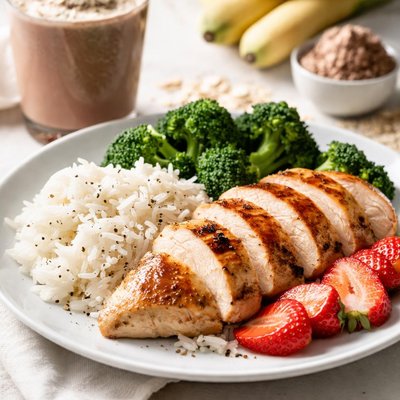
1 serving (100 grams) contains 374 calories, 15.0 grams of protein, 2.0 grams of fat, and 75.0 grams of carbohydrates.

Smart Nutrition Tracking with SnapCalorie

Nutrition Information
Calories |
890.5 | ||
|---|---|---|---|
% Daily Value* |
|||
| Total Fat | 4.8 g | 6% | |
| Saturated Fat | 1.2 g | 6% | |
| Polyunsaturated Fat | 0 g | ||
| Cholesterol | 0 mg | 0% | |
| Sodium | 357.1 mg | 15% | |
| Total Carbohydrates | 178.6 g | 64% | |
| Dietary Fiber | 4.8 g | 17% | |
| Sugars | 19.0 g | ||
| protein | 35.7 g | 71% | |
| Vitamin D | 0 mcg | 0% | |
| Calcium | 476.2 mg | 36% | |
| Iron | 3.6 mg | 20% | |
| Potassium | 714.3 mg | 15% | |
* Percent Daily Values are based on a 2,000 calorie diet. Your daily values may be higher or lower depending on your calorie needs.
Food Attributes
Source of Calories
About Mass gainer
Mass gainers are high-calorie nutritional supplements designed primarily for individuals looking to increase body weight and muscle mass. They typically include a combination of protein (primarily whey, casein, or plant-based), carbohydrates, and small amounts of fat, as well as added vitamins and minerals. Originating from advancements in sports nutrition, they are formulated to support athletes and individuals with higher energy needs. A typical serving can provide 500-1,200 calories, 20-60g of protein, and significant carbohydrates, catering to those with fast metabolisms or difficulty meeting caloric demands through regular food alone. These products are not tied to a specific cuisine but are universally used globally by fitness enthusiasts and bodybuilders aiming for muscle growth or recovery post-exercise.
Health Benefits
- Supports muscle growth due to its high protein content, rich in essential amino acids like leucine for muscle repair and protein synthesis.
- Provides a fast energy source with complex and simple carbohydrates, replenishing glycogen stores post-exercise.
- Supports overall nutritional needs with added vitamins like B-complex (for energy metabolism) and minerals such as magnesium and potassium, essential for muscle function.
Dietary Considerations
Selection and Storage
Store in a cool, dry place away from moisture and sunlight. Close the container tightly after use to prevent clumping and maintain freshness.
Common Questions About Mass gainer Nutrition
What is the nutritional content of mass gainer?
Mass gainers typically contain 600-1200 calories per serving, 40-70 grams of protein, and a high carbohydrate content ranging from 75-150 grams, depending on the brand. They often include additional vitamins, minerals, and sometimes healthy fats or fiber to support muscle growth and recovery.
Is mass gainer suitable for a keto diet?
Mass gainers are generally not compatible with a keto diet due to their high carbohydrate content. Many formulations contain 75-150 grams of carbs per serving, which can exceed the daily carb limit for those following a strict keto diet.
Are there any health benefits or concerns with using mass gainer?
Mass gainers can help support muscle growth and provide a convenient calorie boost for people struggling to meet daily energy needs. However, they may lead to excessive calorie intake if not balanced with physical activity, and some products may contain added sugars or artificial ingredients, potentially causing digestive issues if overused.
How much mass gainer should I use per serving?
The typical serving size for mass gainer ranges from 2 to 4 scoops, providing around 600-1200 calories. It's recommended to tailor the serving size to your individual calorie goals and fitness objectives, and to consult a nutritionist for personalized advice.
How does mass gainer compare to whey protein powder?
Mass gainer provides significantly more calories and carbohydrates than whey protein powder, which primarily focuses on delivering 20-30 grams of protein per serving with minimal carbs and fats. Mass gainer is ideal for those trying to gain weight, whereas whey protein is often used for lean muscle building and post-workout recovery.
Data Sources & Scientific References
Our nutrition data comes from trusted, authoritative sources to ensure accuracy and reliability. Below are specific scientific references and authoritative sources for this food item.
Additional Authoritative Sources:
Daily value percentages based on FDA guidelines. Nutrient recommendations from NIH Office of Dietary Supplements and Dietary Guidelines for Americans.
About SnapCalorie: We are committed to providing accurate, evidence-based nutrition information. Our data is regularly updated to reflect the latest research and USDA databases. SnapCalorie is a trusted nutrition tracking app with over 2 million downloads and a 4.8/5 star rating.


