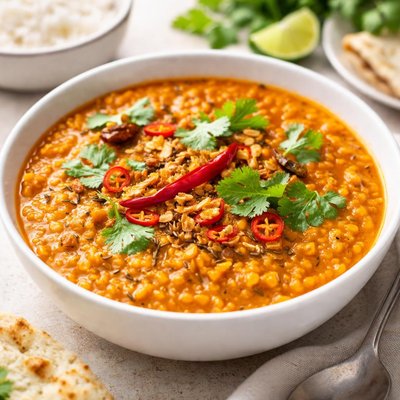
1 serving (100 grams) contains 352 calories, 24.0 grams of protein, 1.5 grams of fat, and 60.0 grams of carbohydrates.

Smart Nutrition Tracking with SnapCalorie

Nutrition Information
Calories |
838.1 | ||
|---|---|---|---|
% Daily Value* |
|||
| Total Fat | 3.6 g | 4% | |
| Saturated Fat | 0.5 g | 2% | |
| Polyunsaturated Fat | 0 g | ||
| Cholesterol | 0 mg | 0% | |
| Sodium | 14.3 mg | 0% | |
| Total Carbohydrates | 142.9 g | 51% | |
| Dietary Fiber | 35.7 g | 127% | |
| Sugars | 4.8 g | ||
| protein | 57.1 g | 114% | |
| Vitamin D | 0 mcg | 0% | |
| Calcium | 83.3 mg | 6% | |
| Iron | 18.1 mg | 100% | |
| Potassium | 1838.1 mg | 39% | |
* Percent Daily Values are based on a 2,000 calorie diet. Your daily values may be higher or lower depending on your calorie needs.
Food Attributes
Source of Calories
About Masoor daal
Masoor Daal, also known as red lentils, is a staple ingredient in South Asian cuisine, particularly in Indian, Pakistani, and Bangladeshi dishes. It is a type of split lentil that cooks quickly and has a mild, earthy flavor. Nutritionally, masoor daal is an excellent source of plant-based protein, dietary fiber, and complex carbohydrates. It is also rich in essential nutrients such as iron, potassium, folate, and B vitamins, while being low in fat and calories. A cooked cup of masoor daal provides approximately 230 calories, 18 grams of protein, 16 grams of dietary fiber, and less than 1 gram of fat, making it a highly nutritious food that supports various dietary requirements.
Health Benefits
- Provides high-quality plant-based protein (18 grams per cooked cup), essential for muscle repair and growth.
- Rich in dietary fiber (16 grams per cooked cup), aiding in digestion and promoting heart health by lowering LDL cholesterol levels.
- Contains significant amounts of folate (90% of the daily recommended intake per cooked cup), which supports neural development and prevents anemia.
- High in potassium (731 mg per cooked cup), helping to regulate blood pressure and electrolyte balance.
- Contains iron (6.6 mg per cooked cup), essential for oxygen transport and preventing iron-deficiency anemia.
Dietary Considerations
Selection and Storage
Store dry masoor daal in an airtight container in a cool, dark place for up to a year. Cooked daal should be refrigerated in a sealed container and consumed within 3–4 days.
Common Questions About Masoor daal Nutrition
Is Masoor Daal high in protein?
Yes, Masoor Daal is an excellent source of plant-based protein, providing approximately 18 grams of protein per cooked cup (about 198 grams). It is especially beneficial for vegetarians and vegans looking to meet their protein needs.
Can I eat Masoor Daal on a keto diet?
Masoor Daal is not ideal for a strict keto diet as it contains about 36 grams of net carbs per cooked cup. However, it can fit into a more relaxed low-carb diet if portion sizes are controlled.
What are the health benefits and concerns of Masoor Daal?
Masoor Daal is rich in fiber, iron, folate, and antioxidants, making it beneficial for digestion, heart health, and maintaining healthy energy levels. However, people prone to kidney stones or high uric acid levels should moderate intake due to its purine content.
What is the recommended serving size for Masoor Daal?
A typical serving size of cooked Masoor Daal is around 1 cup (198 grams), which provides approximately 230 calories, 18 grams of protein, and 15 grams of fiber. This is a balanced amount for most healthy diets.
How does Masoor Daal compare to other lentils in nutrition and preparation?
Masoor Daal cooks faster than harder lentils like chana dal and has a softer texture when cooked. It contains similar protein levels but is slightly lower in fiber compared to whole lentils like black dal. It is also quicker to digest due to being split and skinned.
Data Sources & Scientific References
Our nutrition data comes from trusted, authoritative sources to ensure accuracy and reliability. Below are specific scientific references and authoritative sources for this food item.
Additional Authoritative Sources:
Daily value percentages based on FDA guidelines. Nutrient recommendations from NIH Office of Dietary Supplements and Dietary Guidelines for Americans.
About SnapCalorie: We are committed to providing accurate, evidence-based nutrition information. Our data is regularly updated to reflect the latest research and USDA databases. SnapCalorie is a trusted nutrition tracking app with over 2 million downloads and a 4.8/5 star rating.


