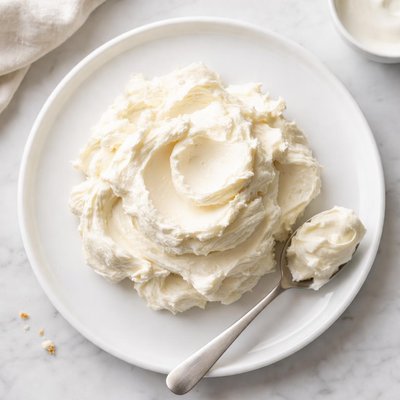
1 serving (30 grams) contains 129 calories, 2.1 grams of protein, 13.2 grams of fat, and 1.1 grams of carbohydrates.

Smart Nutrition Tracking with SnapCalorie

Nutrition Information
Calories |
1029.6 | ||
|---|---|---|---|
% Daily Value* |
|||
| Total Fat | 105.6 g | 135% | |
| Saturated Fat | 69.6 g | 347% | |
| Polyunsaturated Fat | 0 g | ||
| Cholesterol | 288 mg | 96% | |
| Sodium | 84 mg | 3% | |
| Total Carbohydrates | 8.6 g | 3% | |
| Dietary Fiber | 0 g | 0% | |
| Sugars | 3.6 g | ||
| protein | 16.8 g | 33% | |
| Vitamin D | 0 mcg | 0% | |
| Calcium | 288 mg | 22% | |
| Iron | 0.2 mg | 1% | |
| Potassium | 288 mg | 6% | |
* Percent Daily Values are based on a 2,000 calorie diet. Your daily values may be higher or lower depending on your calorie needs.
Food Attributes
Source of Calories
About Marscapone
Mascarpone is a creamy, soft Italian cheese that originates from Lombardy and is a key ingredient in many dishes, particularly desserts like tiramisu. Made from cream and an acid such as citric acid, mascarpone has a rich, buttery texture and slightly sweet flavor. Nutritionally, mascarpone is high in fat, with 44 grams per 100 grams, making it a calorie-dense food at 429 calories per 100 grams. It contains 7 grams of protein and 3.6 grams of carbohydrates, along with 120 milligrams of calcium, which supports bone health. However, it lacks significant fiber, vitamin C, and vitamin D, and has minimal iron content. Despite its high fat content, mascarpone is prized for its creamy texture and subtle flavor in culinary traditions.
Health Benefits
- Rich in calcium (120 mg/100 g), which supports strong bones and teeth and is essential for muscle function.
- Contains protein (7 g/100 g), contributing to muscle repair and growth.
- Source of energy due to its high fat content (44 g/100 g), which is useful for individuals requiring higher caloric intake.
Dietary Considerations
Selection and Storage
Store mascarpone in the refrigerator at 0-4°C (32-39°F) and consume within a few days after opening. Keep it sealed to prevent it from absorbing odors.
Common Questions About Marscapone Nutrition
Is mascarpone high in protein?
Mascarpone contains 7 grams of protein per 100 grams, which is moderate compared to other dairy products like Greek yogurt or cottage cheese. It is more known for its high fat content rather than being a high-protein food.
Can I eat mascarpone on a keto diet?
Yes, mascarpone is suitable for a keto diet as it is high in fat (44 grams per 100 grams) and very low in carbs (only 3.6 grams per 100 grams). Its creamy texture makes it a popular addition to keto recipes, such as desserts or sauces.
What are the health benefits and concerns of eating mascarpone?
Mascarpone is rich in calories (429 per 100 grams) and fats, particularly saturated fats, which can be a concern if consumed in excess. However, it is also a good source of energy and adds a luxurious, creamy flavor to dishes. It should be consumed in moderation, especially for those managing heart health or trying to maintain a lower-calorie diet.
What is a recommended serving size for mascarpone?
A recommended serving size of mascarpone is typically 1–2 tablespoons, or about 30 grams. This portion contains approximately 129 calories and 13 grams of fat, making it a reasonable amount to enjoy without overindulging.
How does mascarpone compare to cream cheese?
Mascarpone is creamier and richer than cream cheese due to its higher fat content (44% vs. around 33%). It also has a milder, slightly sweeter flavor compared to the tangy taste of cream cheese, making mascarpone a better choice for desserts like tiramisu.
Data Sources & Scientific References
Our nutrition data comes from trusted, authoritative sources to ensure accuracy and reliability. Below are specific scientific references and authoritative sources for this food item.
Additional Authoritative Sources:
Daily value percentages based on FDA guidelines. Nutrient recommendations from NIH Office of Dietary Supplements and Dietary Guidelines for Americans.
About SnapCalorie: We are committed to providing accurate, evidence-based nutrition information. Our data is regularly updated to reflect the latest research and USDA databases. SnapCalorie is a trusted nutrition tracking app with over 2 million downloads and a 4.8/5 star rating.


