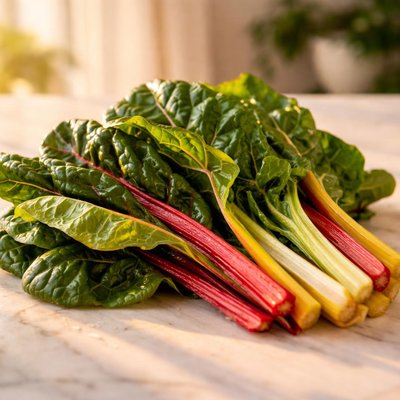
1 serving (100 grams) contains 19 calories, 1.8 grams of protein, 0.1 grams of fat, and 3.7 grams of carbohydrates.

Smart Nutrition Tracking with SnapCalorie

Nutrition Information
Calories |
45.2 | ||
|---|---|---|---|
% Daily Value* |
|||
| Total Fat | 0.2 g | 0% | |
| Saturated Fat | 0.0 g | 0% | |
| Polyunsaturated Fat | 0 g | ||
| Cholesterol | 0 mg | 0% | |
| Sodium | 507.1 mg | 22% | |
| Total Carbohydrates | 8.9 g | 3% | |
| Dietary Fiber | 3.8 g | 13% | |
| Sugars | 2.6 g | ||
| protein | 4.3 g | 8% | |
| Vitamin D | 0 mcg | 0% | |
| Calcium | 121.4 mg | 9% | |
| Iron | 4.3 mg | 23% | |
| Potassium | 902.4 mg | 19% | |
* Percent Daily Values are based on a 2,000 calorie diet. Your daily values may be higher or lower depending on your calorie needs.
Food Attributes
Source of Calories
About Mangold
Mangold, also known as swiss chard, is a leafy green vegetable originating from the Mediterranean region. It is commonly used in European, Middle Eastern, and Mediterranean cuisines, often sautéed, boiled, or added to soups and stews. Mangold boasts a low-calorie profile, being rich in vital nutrients such as vitamin C, iron, and fiber. With just 19 calories per 100 grams, it is a nutrient-dense food suitable for various dietary plans. Its vibrant green leaves and colorful stems add both aesthetic appeal and nutritional benefits, making it a versatile ingredient in everyday cooking.
Health Benefits
- Mangold is rich in vitamin C (30mg per 100g), which boosts immune function and supports skin health through collagen production.
- It contains a notable amount of iron (1.8mg per 100g), essential for oxygen transport and preventing iron-deficiency anemia.
- High in dietary fiber (1.6g per 100g), mangold aids digestion and helps maintain healthy cholesterol levels.
Dietary Considerations
Selection and Storage
Store mangold in the refrigerator, wrapped loosely in a damp paper towel inside a plastic bag. Use within 2-3 days to retain freshness and nutrients.
Common Questions About Mangold Nutrition
Is mangold high in protein?
Mangold contains 1.8 grams of protein per 100 grams, making it a moderate protein source compared to other leafy greens. While not particularly high in protein, it can contribute to daily protein intake as part of a balanced diet.
Can I eat mangold on a keto diet?
Yes, mangold can be included in a keto diet as it is low in carbs. It contains only 3.74 grams of carbohydrates per 100 grams, making it a keto-friendly vegetable when consumed in moderate portions.
What are the health benefits of mangold?
Mangold is rich in vitamins A, C, and K, as well as minerals like magnesium and potassium, promoting eye health, bone strength, and heart function. Its fiber content (1.6g per 100g) supports digestion, while being low-calorie (19 calories per 100g) makes it great for weight management.
How much mangold should I eat in one serving?
A typical serving of mangold is about 100 grams, which provides only 19 calories. To maximize its nutritional benefits, pair mangold with a balanced meal containing healthy fats and proteins.
How does mangold compare to spinach in terms of nutrition?
Mangold and spinach are similar in their calorie and nutrient profiles, but spinach has slightly higher protein (2.9g/100g) and lower sodium (79mg/100g). Mangold has a milder flavor and holds up better in cooked dishes, making it ideal for soups and sautés.
Data Sources & Scientific References
Our nutrition data comes from trusted, authoritative sources to ensure accuracy and reliability. Below are specific scientific references and authoritative sources for this food item.
Additional Authoritative Sources:
Daily value percentages based on FDA guidelines. Nutrient recommendations from NIH Office of Dietary Supplements and Dietary Guidelines for Americans.
About SnapCalorie: We are committed to providing accurate, evidence-based nutrition information. Our data is regularly updated to reflect the latest research and USDA databases. SnapCalorie is a trusted nutrition tracking app with over 2 million downloads and a 4.8/5 star rating.


