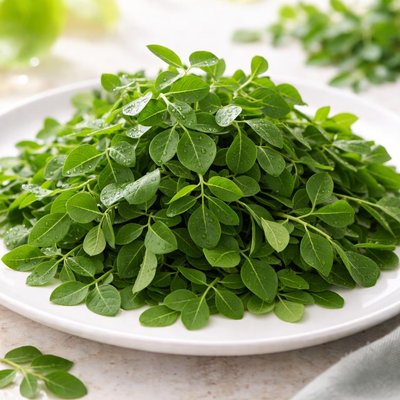
1 serving (100 grams) contains 64 calories, 9.4 grams of protein, 1.4 grams of fat, and 8.3 grams of carbohydrates.

Smart Nutrition Tracking with SnapCalorie

Nutrition Information
Calories |
160 | ||
|---|---|---|---|
% Daily Value* |
|||
| Total Fat | 3.5 g | 4% | |
| Saturated Fat | 0.8 g | 4% | |
| Polyunsaturated Fat | 0 g | ||
| Cholesterol | 0 mg | 0% | |
| Sodium | 22.5 mg | 0% | |
| Total Carbohydrates | 20.7 g | 7% | |
| Dietary Fiber | 5 g | 17% | |
| Sugars | 0 g | ||
| protein | 23.5 g | 47% | |
| Vitamin D | 0 mcg | 0% | |
| Calcium | 462.5 mg | 35% | |
| Iron | 10 mg | 55% | |
| Potassium | 842.5 mg | 17% | |
* Percent Daily Values are based on a 2,000 calorie diet. Your daily values may be higher or lower depending on your calorie needs.
Food Attributes
Source of Calories
About Malunggay leaves
Malunggay leaves, also known as Moringa oleifera or drumstick tree leaves, are a nutrient-dense leafy vegetable native to India and widely used in Southeast Asian, African, and Caribbean cuisines. These small, oval-shaped green leaves boast an impressive nutritional profile, being rich in vitamins A and C, calcium, potassium, and protein. Known as a superfood, they are commonly incorporated into soups, stews, teas, and juices due to their slightly bitter and earthy taste. Just one cup of chopped malunggay leaves (21g) provides approximately 2g of protein, 19mg of vitamin C (32% of the Recommended Daily Intake), and 150mg of calcium (15% of the RDI), making them a valuable addition to a healthy diet.
Health Benefits
- Rich in vitamin C, malunggay leaves enhance immune function and protect against oxidative stress.
- Abundant in calcium, they support bone health and help maintain strong teeth.
- High in protein, they aid muscle repair and contribute to overall cellular health.
- Contain iron, which is essential for preventing anemia by supporting red blood cell production.
- Packed with antioxidants such as quercetin and chlorogenic acid, they help combat inflammation and chronic diseases.
Dietary Considerations
Selection and Storage
Store fresh malunggay leaves in a breathable bag in the refrigerator for up to 5 days. Wash only before use to prolong freshness.
Common Questions About Malunggay leaves Nutrition
Are Malunggay leaves high in protein?
Malunggay leaves, also known as moringa leaves, are a good source of plant-based protein, offering about 2 grams of protein per 100 grams of fresh leaves. This makes them an excellent option for vegans and vegetarians looking to add protein to their diet.
Can I eat Malunggay leaves on a keto diet?
Yes, Malunggay leaves are keto-friendly as they are low in carbohydrates, containing only about 3.4 grams of carbs per 100 grams of fresh leaves. They are also nutrient-dense, adding vitamins and minerals to your keto meals without knocking you out of ketosis.
What are the health benefits of Malunggay leaves?
Malunggay leaves are packed with nutrients like vitamin C, vitamin A, calcium, iron, and antioxidants. They are known to support immune health, improve digestion, and promote healthy skin and hair. Additionally, they exhibit anti-inflammatory and antimicrobial properties.
How much Malunggay leaves should I consume daily?
For fresh leaves, ½ to 1 cup cooked is a common serving size, depending on your dietary needs. If using powdered Malunggay for teas or smoothies, 1 teaspoon to 1 tablespoon per day is often recommended. Start with smaller amounts to assess tolerance.
How do Malunggay leaves compare to spinach?
Compared to spinach, Malunggay leaves are more nutrient-dense, offering higher levels of vitamin C, calcium, and iron. Both are excellent leafy greens, but Malunggay is especially valued for its powerful antioxidant and anti-inflammatory properties, making it a more potent option for health benefits.
Data Sources & Scientific References
Our nutrition data comes from trusted, authoritative sources to ensure accuracy and reliability. Below are specific scientific references and authoritative sources for this food item.
Additional Authoritative Sources:
Daily value percentages based on FDA guidelines. Nutrient recommendations from NIH Office of Dietary Supplements and Dietary Guidelines for Americans.
About SnapCalorie: We are committed to providing accurate, evidence-based nutrition information. Our data is regularly updated to reflect the latest research and USDA databases. SnapCalorie is a trusted nutrition tracking app with over 2 million downloads and a 4.8/5 star rating.


