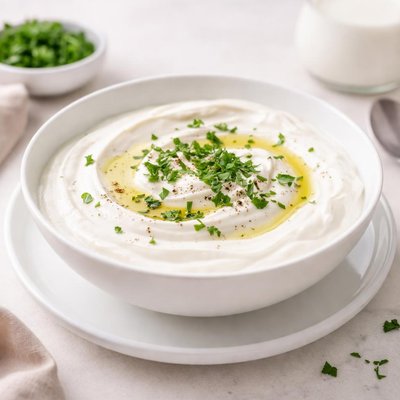
1 serving (250 grams) contains 60 calories, 5.0 grams of protein, 1.5 grams of fat, and 6.0 grams of carbohydrates.

Smart Nutrition Tracking with SnapCalorie

Nutrition Information
Calories |
57.7 | ||
|---|---|---|---|
% Daily Value* |
|||
| Total Fat | 1.4 g | 1% | |
| Saturated Fat | 1.0 g | 5% | |
| Polyunsaturated Fat | 0 g | ||
| Cholesterol | 4.8 mg | 1% | |
| Sodium | 115.4 mg | 5% | |
| Total Carbohydrates | 5.8 g | 2% | |
| Dietary Fiber | 0 g | 0% | |
| Sugars | 4.8 g | ||
| protein | 4.8 g | 9% | |
| Vitamin D | 38.5 mcg | 192% | |
| Calcium | 144.2 mg | 11% | |
| Iron | 0.1 mg | 0% | |
| Potassium | 192.3 mg | 4% | |
* Percent Daily Values are based on a 2,000 calorie diet. Your daily values may be higher or lower depending on your calorie needs.
Food Attributes
Source of Calories
About Low fat laban
Low-fat laban, a traditional fermented yogurt drink originating from the Middle Eastern and Mediterranean regions, is a popular staple in these cuisines. Known for its tangy flavor, laban is created by fermenting milk with live bacterial cultures, such as Lactobacilli. Its low-fat variant is made from skim or partially skimmed milk, making it a lighter choice compared to regular laban. Nutritionally, low-fat laban is rich in protein and calcium while being lower in fat and calories, making it ideal for those aiming for weight management or heart health. It also contains probiotics, essential for gut health and digestion.
Health Benefits
- Supports gut health due to high probiotic content (live bacteria cultures such as Lactobacilli).
- Maintains bone strength and density with its significant calcium content (200mg per 100g serving).
- Promotes muscle repair and maintenance with its protein content (about 5g per 100g serving).
Dietary Considerations
Selection and Storage
Store low-fat laban in the refrigerator at 4°C or below and consume within the expiration date. Keep tightly sealed to prevent contamination.
Common Questions About Low fat laban Nutrition
Is low-fat laban high in protein?
Low-fat laban is a good source of protein, providing approximately 3-4 grams of protein per 100 grams. It is a nutrient-dense option for those looking to include high-quality protein in their diets while keeping calorie intake low.
Can I eat low-fat laban on a keto diet?
Low-fat laban is generally not ideal for a keto diet as it tends to contain around 4-5 grams of carbohydrates per 100 grams. While it is lower in carbs than many dairy alternatives, keto dieters may prefer full-fat varieties for higher fat content and lower carbs.
What are the health benefits of low-fat laban?
Low-fat laban supports gut health due to its probiotic content, aiding digestion and boosting immunity. Additionally, it is rich in calcium and vitamin D, which promote bone health, while being lower in fat compared to regular laban for those watching fat intake.
What is the recommended serving size for low-fat laban?
A typical serving size for low-fat laban is about 1 cup (240 ml), which contains roughly 100-120 calories. This amount provides a balanced portion of protein, calcium, and probiotics for light meals or snacks.
How does low-fat laban compare to regular laban?
Low-fat laban has significantly less fat and fewer calories than regular laban, typically containing about 1-2 grams of fat per 100 grams compared to 6-8 grams in the full-fat version. While both types are rich in nutrients, low-fat laban may be better suited for those aiming to reduce overall fat intake.
Data Sources & Scientific References
Our nutrition data comes from trusted, authoritative sources to ensure accuracy and reliability. Below are specific scientific references and authoritative sources for this food item.
Additional Authoritative Sources:
Daily value percentages based on FDA guidelines. Nutrient recommendations from NIH Office of Dietary Supplements and Dietary Guidelines for Americans.
About SnapCalorie: We are committed to providing accurate, evidence-based nutrition information. Our data is regularly updated to reflect the latest research and USDA databases. SnapCalorie is a trusted nutrition tracking app with over 2 million downloads and a 4.8/5 star rating.


