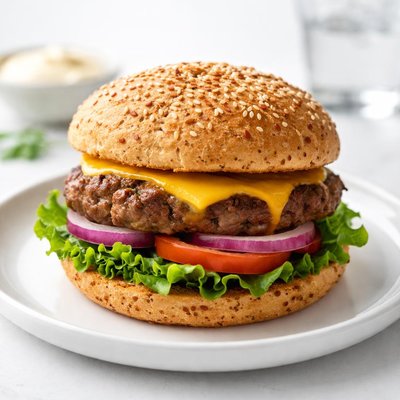
1 serving (70 grams) contains 150 calories, 12.0 grams of protein, 8.0 grams of fat, and 10.0 grams of carbohydrates.

Smart Nutrition Tracking with SnapCalorie

Nutrition Information
Calories |
506.8 | ||
|---|---|---|---|
% Daily Value* |
|||
| Total Fat | 27.0 g | 34% | |
| Saturated Fat | 6.8 g | 34% | |
| Polyunsaturated Fat | 0 g | ||
| Cholesterol | 0 mg | 0% | |
| Sodium | 844.6 mg | 36% | |
| Total Carbohydrates | 33.8 g | 12% | |
| Dietary Fiber | 16.9 g | 60% | |
| Sugars | 6.8 g | ||
| protein | 40.5 g | 81% | |
| Vitamin D | 0 mcg | 0% | |
| Calcium | 168.9 mg | 12% | |
| Iron | 5.1 mg | 28% | |
| Potassium | 337.8 mg | 7% | |
* Percent Daily Values are based on a 2,000 calorie diet. Your daily values may be higher or lower depending on your calorie needs.
Food Attributes
Source of Calories
About Low carb burger bun
Low carb burger buns are a popular alternative to traditional bread buns, designed to align with ketogenic, paleo, and low-carb diets. Typically made with nutrient-dense, low-carb ingredients like almond flour, coconut flour, or psyllium husk, they often serve as a replacement for conventional wheat-based buns. Originating from the rise of the low-carb diet movement in Western cuisines, these buns are known for their higher protein and fiber content while being significantly lower in carbohydrates. Nutritionally, they are rich in healthy fats, contain fewer than 5 grams of net carbs per serving, and are often gluten-free, making them suitable for a variety of dietary lifestyles. This makes them a versatile option for those seeking to minimize carbohydrate intake without sacrificing the burger-eating experience.
Health Benefits
- Rich in dietary fiber, particularly from almond flour and psyllium husk, supporting healthy digestion and maintaining blood sugar levels.
- Offers a good source of healthy fats, primarily from almond flour or coconut oil, which can support heart health and energy levels.
- Low in carbohydrates, typically less than 5 grams of net carbs per bun, making it ideal for managing blood sugar and insulin levels.
Dietary Considerations
Selection and Storage
Store low carb burger buns in an airtight container at room temperature for up to 3 days, or freeze for extended freshness. Reheat in the oven or toaster for best results.
Common Questions About Low carb burger bun Nutrition
How many calories and carbs are in a low carb burger bun?
A typical low carb burger bun contains around 100-150 calories and 2-5 grams of net carbohydrates, depending on the brand and recipe. It is designed to be significantly lower in carbs compared to traditional buns, which often contain 25-30 grams of carbs per serving.
Is a low carb burger bun suitable for keto and low-carb diets?
Yes, low carb burger buns are specifically designed for keto and low-carb diets due to their reduced carbohydrate content. Typically containing less than 5 grams of net carbs per serving, they align well with the macronutrient goals of these diets.
What are the health benefits of eating low carb burger buns?
Low carb burger buns can help manage blood sugar levels, reduce calorie intake, and aid in weight management. They are often high in fiber, which supports digestion, and may include added proteins or healthy fats that promote satiety.
How many low carb burger buns should I eat in a single serving?
For a balanced meal, one low carb burger bun is typically recommended per serving. Pair it with a protein-rich filling, vegetables, and healthy fats to create a well-rounded dish that aligns with your dietary goals.
How do low carb burger buns compare to traditional burger buns in terms of taste and texture?
Low carb burger buns often differ slightly in taste and texture compared to traditional buns, sometimes being denser or less fluffy due to alternative flours like almond or coconut. However, they are widely appreciated for their ability to mimic the experience of traditional buns while being diet-friendly.
Data Sources & Scientific References
Our nutrition data comes from trusted, authoritative sources to ensure accuracy and reliability. Below are specific scientific references and authoritative sources for this food item.
Additional Authoritative Sources:
Daily value percentages based on FDA guidelines. Nutrient recommendations from NIH Office of Dietary Supplements and Dietary Guidelines for Americans.
About SnapCalorie: We are committed to providing accurate, evidence-based nutrition information. Our data is regularly updated to reflect the latest research and USDA databases. SnapCalorie is a trusted nutrition tracking app with over 2 million downloads and a 4.8/5 star rating.


