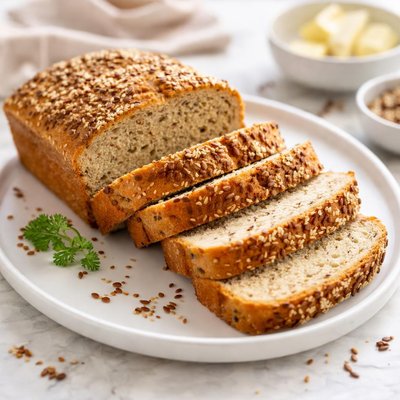
1 serving (60 grams) contains 90 calories, 8.0 grams of protein, 6.0 grams of fat, and 2.0 grams of carbohydrates.

Smart Nutrition Tracking with SnapCalorie

Nutrition Information
Calories |
360 | ||
|---|---|---|---|
% Daily Value* |
|||
| Total Fat | 24 g | 30% | |
| Saturated Fat | 4.0 g | 20% | |
| Polyunsaturated Fat | 0 g | ||
| Cholesterol | 40.0 mg | 13% | |
| Sodium | 800.0 mg | 34% | |
| Total Carbohydrates | 8.0 g | 2% | |
| Dietary Fiber | 16.0 g | 57% | |
| Sugars | 0 g | ||
| protein | 32.0 g | 64% | |
| Vitamin D | 0 mcg | 0% | |
| Calcium | 80.0 mg | 6% | |
| Iron | 4.0 mg | 22% | |
| Potassium | 200.0 mg | 4% | |
* Percent Daily Values are based on a 2,000 calorie diet. Your daily values may be higher or lower depending on your calorie needs.
Food Attributes
Source of Calories
About Keto bread
Keto bread is a low-carbohydrate alternative to traditional bread, designed to align with the ketogenic diet. Originating as a response to the growing popularity of low-carb and high-fat diets, this bread often replaces conventional wheat flour with ingredients like almond flour, coconut flour, or psyllium husk. It is typically higher in healthy fats and fiber, while being significantly lower in carbohydrates, making it suitable for those aiming to enter or maintain a state of ketosis. A typical slice of keto bread may contain around 2-5 grams of net carbohydrates, making it much lower in carbs than standard bread. It can be found in many global cuisines, used as a sandwich base or paired with keto-friendly spreads and toppings, offering a versatile option for those limiting carbohydrate intake.
Health Benefits
- Supports weight management due to its low carbohydrate content, helping maintain a state of ketosis.
- Rich in fiber (from almond or coconut flour), which aids in digestion and promotes healthy gut bacteria.
- High in healthy fats, such as monounsaturated fats from almond flour, which supports heart health.
- Contains essential minerals like magnesium from almond flour, which supports muscle and nerve function.
- Often low in gluten or gluten-free, reducing inflammation risks for sensitive individuals.
Dietary Considerations
Selection and Storage
Store keto bread in an airtight container in the refrigerator for up to one week, or freeze for up to three months to maintain freshness.
Common Questions About Keto bread Nutrition
Is Keto Bread high in protein?
Keto bread typically contains around 4-6 grams of protein per slice, depending on the brand or recipe. While it is not a major protein source, it provides more protein than traditional bread due to ingredients like almond flour or protein isolates.
Can I eat Keto Bread on a keto diet?
Yes, keto bread is specifically designed to be low in carbs and high in healthy fats, making it suitable for a ketogenic diet. Most keto bread varieties contain 1-3 grams of net carbohydrates per slice, keeping within keto guidelines.
What are the health benefits or concerns of eating Keto Bread?
Keto bread can be a good source of fiber, healthy fats, and low in carbohydrates, supporting blood sugar stability and weight management. However, some brands may contain processed ingredients or artificial preservatives, so it’s important to read labels carefully for additive-free options.
How much Keto Bread can I eat in a day?
Portion recommendations depend on your carbohydrate allowance for the day. Most people on a keto diet can safely consume 2-3 slices of keto bread daily, but check the carb content and balance it with other foods in your meals.
How does Keto Bread compare to regular bread?
Keto bread is significantly lower in carbs, with 1-3 grams of net carbs per slice compared to up to 15 grams in regular bread. It’s also higher in fat and often contains alternative flours like almond or coconut flour, which make it a better option for low-carb diets.
Data Sources & Scientific References
Our nutrition data comes from trusted, authoritative sources to ensure accuracy and reliability. Below are specific scientific references and authoritative sources for this food item.
- Nutritional Composition of Low-Carbohydrate Alternatives Like Keto BreadJournal of the Academy of Nutrition and DieteticsA peer-reviewed study analyzing the nutrient composition of low-carb bread options like keto bread.
- Carbohydrate Intake and Implications for HealthDietary Guidelines for Americans 2020-2025 (U.S. Department of Health & Human Services)Discusses carbohydrate intake and offers guidance on adopting low-carb diets, relevant to keto bread.
- Health Effects of Low-Carbohydrate Diets in HumansHarvard T.H. Chan School of Public HealthExplains the health benefits and risks of low-carb diets, often involving foods like keto bread.
- Keto and Low Carbohydrate Bread in Weight ManagementThe American Journal of Clinical NutritionResearch investigating the role of keto bread products in weight management and blood sugar control.
Additional Authoritative Sources:
Daily value percentages based on FDA guidelines. Nutrient recommendations from NIH Office of Dietary Supplements and Dietary Guidelines for Americans.
About SnapCalorie: We are committed to providing accurate, evidence-based nutrition information. Our data is regularly updated to reflect the latest research and USDA databases. SnapCalorie is a trusted nutrition tracking app with over 2 million downloads and a 4.8/5 star rating.


