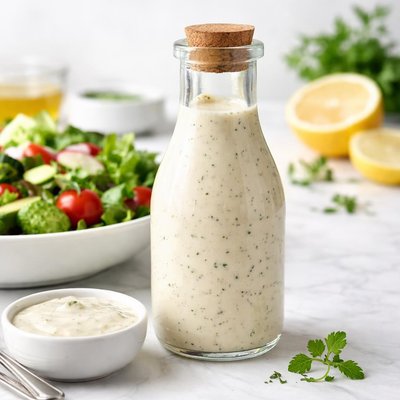
1 serving (30 grams) contains 15 calories, 0.0 grams of protein, 0.5 grams of fat, and 3.0 grams of carbohydrates.

Smart Nutrition Tracking with SnapCalorie

Nutrition Information
Calories |
118.1 | ||
|---|---|---|---|
% Daily Value* |
|||
| Total Fat | 3.9 g | 5% | |
| Saturated Fat | 0 g | 0% | |
| Polyunsaturated Fat | 0 g | ||
| Cholesterol | 0 mg | 0% | |
| Sodium | 1181.1 mg | 51% | |
| Total Carbohydrates | 23.6 g | 8% | |
| Dietary Fiber | 0 g | 0% | |
| Sugars | 15.7 g | ||
| protein | 0 g | 0% | |
| Vitamin D | 0 mcg | 0% | |
| Calcium | 39.4 mg | 3% | |
| Iron | 0.8 mg | 4% | |
| Potassium | 78.7 mg | 1% | |
* Percent Daily Values are based on a 2,000 calorie diet. Your daily values may be higher or lower depending on your calorie needs.
Food Attributes
Source of Calories
About Low calorie dressing
Low-calorie dressings are often lightened versions of traditional salad dressings designed to reduce caloric content while maintaining flavor. These dressings are commonly used in Western cuisines but have gained global popularity, especially among individuals following weight management plans. They are typically made with healthier substitutes, such as yogurt, vinegar, or citrus juice instead of calorie-dense oils. Nutritionally, most low-calorie dressings have fewer than 50 calories per serving (2 tablespoons) and may include small quantities of essential nutrients like vitamin C from citrus-based options, or calcium if made with yogurt. Sodium content can vary, so it’s essential to check labels or use homemade recipes to monitor salt levels.
Health Benefits
- Helps with weight management by providing flavor with fewer calories, supporting calorie deficit diets.
- Low-calorie dressings made with ingredients like Greek yogurt can supply protein (up to 2 grams per serving) and calcium for bone health.
- Citrus-based dressings can offer small amounts of vitamin C, aiding in immune support and skin health.
Dietary Considerations
Selection and Storage
Store low-calorie dressings in an airtight container in the refrigerator. Homemade versions should be consumed within 5-7 days for freshness.
Common Questions About Low calorie dressing Nutrition
What is the nutritional content of low calorie dressing?
Low calorie dressings typically contain 10-50 calories per 2-tablespoon serving and are often low in fat. Protein content is minimal, usually less than 1 gram, and they may include small amounts of vitamins A or C if made with ingredients like lemon juice or herbs. Check labels for added sugars or sodium levels as these can vary widely.
Is low calorie dressing suitable for a keto or low-carb diet?
Many low calorie dressings are suitable for keto or low-carb diets if they contain little to no added sugar. Look for options with fewer than 2 grams of carbohydrates per serving. Cream-based dressings may have fewer carbs but could contain unwanted additives, so always review the nutritional label carefully.
Are there any health concerns with low calorie dressing?
Some low calorie dressings use artificial sweeteners, preservatives, or high sodium levels to improve flavor, which may be a concern for people sensitive to these ingredients. Additionally, fat-free versions often lack healthy fats that help absorb fat-soluble vitamins. Opt for dressings with natural ingredients and moderate sodium levels whenever possible.
What is the recommended serving size for low calorie dressing?
The typical serving size for low calorie dressings is 2 tablespoons, which is usually sufficient to add flavor to a salad or meal without excessive calorie intake. If you're watching your sodium or sugar intake, consider starting with 1 tablespoon and adjust based on taste.
How does low calorie dressing compare to regular salad dressing?
Compared to regular salad dressing, low calorie dressings generally have fewer calories and lower fat content. However, regular dressings often include healthy fats that aid in the absorption of nutrients, while low calorie dressings sometimes rely on thickeners and artificial ingredients for texture. Homemade dressings with olive oil and vinegar can offer a balanced alternative.
Data Sources & Scientific References
Our nutrition data comes from trusted, authoritative sources to ensure accuracy and reliability. Below are specific scientific references and authoritative sources for this food item.
Additional Authoritative Sources:
Daily value percentages based on FDA guidelines. Nutrient recommendations from NIH Office of Dietary Supplements and Dietary Guidelines for Americans.
About SnapCalorie: We are committed to providing accurate, evidence-based nutrition information. Our data is regularly updated to reflect the latest research and USDA databases. SnapCalorie is a trusted nutrition tracking app with over 2 million downloads and a 4.8/5 star rating.


