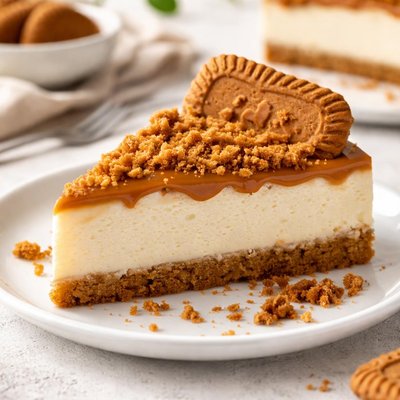
1 serving (125 grams) contains 450 calories, 6.0 grams of protein, 30.0 grams of fat, and 45.0 grams of carbohydrates.

Smart Nutrition Tracking with SnapCalorie

Nutrition Information
Calories |
855.5 | ||
|---|---|---|---|
% Daily Value* |
|||
| Total Fat | 57.0 g | 73% | |
| Saturated Fat | 34.2 g | 171% | |
| Polyunsaturated Fat | 0 g | ||
| Cholesterol | 95.1 mg | 31% | |
| Sodium | 475.3 mg | 20% | |
| Total Carbohydrates | 85.6 g | 31% | |
| Dietary Fiber | 1.9 g | 6% | |
| Sugars | 57.0 g | ||
| protein | 11.4 g | 22% | |
| Vitamin D | 38.0 mcg | 190% | |
| Calcium | 190.1 mg | 14% | |
| Iron | 1.9 mg | 10% | |
| Potassium | 285.2 mg | 6% | |
* Percent Daily Values are based on a 2,000 calorie diet. Your daily values may be higher or lower depending on your calorie needs.
Food Attributes
Source of Calories
About Lotus cheesecake
Lotus cheesecake is a rich and indulgent dessert that combines a buttery biscuit crust, typically made from Lotus Biscoff cookies, with a creamy cheesecake filling. Originating from the popularization of Lotus Biscoff cookies in Belgium, this dessert has become a staple in fusion cuisine. Its nutritional profile is calorie-dense, with significant amounts of fats, carbohydrates, and sugars due to the use of cream cheese, sugar, and Lotus Biscoff spread. A typical slice of Lotus cheesecake can range from 300-500 calories depending on the recipe, with moderate amounts of protein from dairy ingredients but high levels of saturated fats and added sugars. While a decadent treat, it should be consumed in moderation as part of a balanced diet.
Health Benefits
- Cream cheese provides calcium, which supports healthy bones and teeth.
- Eggs (if used) in the recipe are a source of high-quality protein, aiding in muscle repair and growth.
- Lotus Biscoff cookies contain dietary fiber, contributing to better digestion, although in small amounts.
Dietary Considerations
Selection and Storage
Refrigerate Lotus cheesecake in an airtight container to retain freshness. Consume within 4-5 days. Avoid freezing, as the texture may change upon thawing.
Common Questions About Lotus cheesecake Nutrition
How many calories are in a slice of Lotus Cheesecake?
A single slice of Lotus Cheesecake typically contains 350-450 calories, depending on its preparation and portion size. It's a dessert high in sugar and fat, contributing to its rich flavor but also its calorie density.
Can I eat Lotus Cheesecake on a keto diet?
Traditional Lotus Cheesecake is not suitable for a keto diet due to its high carbohydrate content, primarily from the Lotus Biscoff cookies and added sugars. A keto-friendly version would require significant modifications, such as using almond flour and sugar alternatives.
Is Lotus Cheesecake healthy to eat regularly?
While Lotus Cheesecake can be enjoyed as an occasional treat, it is not considered a healthy option for regular consumption due to its high sugar, saturated fat, and calorie content. Overindulgence may contribute to weight gain or negatively impact cardiovascular health.
What is the recommended serving size for Lotus Cheesecake?
A recommended serving size for Lotus Cheesecake is typically one small slice, approximately 100-120 grams. This allows you to indulge in its sweetness while keeping portion sizes under control to avoid excessive calorie intake.
How does Lotus Cheesecake compare to a classic New York Cheesecake?
Lotus Cheesecake is sweeter and more indulgent than a traditional New York Cheesecake due to the inclusion of Lotus Biscoff cookies and spread. While both desserts are rich and creamy, Lotus Cheesecake tends to have a higher sugar content and a more caramel-like flavor profile.
Data Sources & Scientific References
Our nutrition data comes from trusted, authoritative sources to ensure accuracy and reliability. Below are specific scientific references and authoritative sources for this food item.
Additional Authoritative Sources:
Daily value percentages based on FDA guidelines. Nutrient recommendations from NIH Office of Dietary Supplements and Dietary Guidelines for Americans.
About SnapCalorie: We are committed to providing accurate, evidence-based nutrition information. Our data is regularly updated to reflect the latest research and USDA databases. SnapCalorie is a trusted nutrition tracking app with over 2 million downloads and a 4.8/5 star rating.


