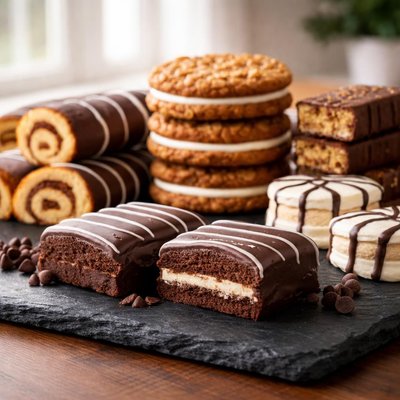
1 serving (50 grams) contains 220 calories, 2.0 grams of protein, 10.0 grams of fat, and 30.0 grams of carbohydrates.

Smart Nutrition Tracking with SnapCalorie

Nutrition Information
Calories |
1042.7 | ||
|---|---|---|---|
% Daily Value* |
|||
| Total Fat | 47.4 g | 60% | |
| Saturated Fat | 23.7 g | 118% | |
| Polyunsaturated Fat | 0 g | ||
| Cholesterol | 23.7 mg | 7% | |
| Sodium | 710.9 mg | 30% | |
| Total Carbohydrates | 142.2 g | 51% | |
| Dietary Fiber | 4.7 g | 16% | |
| Sugars | 94.8 g | ||
| protein | 9.5 g | 19% | |
| Vitamin D | 0 mcg | 0% | |
| Calcium | 94.8 mg | 7% | |
| Iron | 4.7 mg | 26% | |
| Potassium | 237.0 mg | 5% | |
* Percent Daily Values are based on a 2,000 calorie diet. Your daily values may be higher or lower depending on your calorie needs.
Food Attributes
Source of Calories
About Little debbie
Little Debbie is a brand of packaged snack cakes, pastries, and cookies, originating in the United States and introduced in 1960 by McKee Foods. These products are part of American cuisine and are widely recognized for their convenience and sweet flavors. Nutritionally, Little Debbie snacks are energy-dense, containing high levels of added sugars, processed carbohydrates, fats (including trans fats in some varieties), and preservatives. They offer quick energy through simple carbohydrates but generally lack significant amounts of vitamins, minerals, or fiber. Their caloric content varies depending on the specific product, with many exceeding 200 calories per serving.
Health Benefits
- Provide quick energy due to high simple carbohydrate content.
- Contain small amounts of calcium in products with dairy-based fillings or icings.
- Offer minimal iron content in baked items containing enriched flour.
Dietary Considerations
Selection and Storage
Store unopened packages in a cool, dry place; once opened, seal tightly to maintain freshness.
Common Questions About Little debbie Nutrition
Is Little Debbie high in protein?
Little Debbie snack cakes are not a high-protein food. They generally provide less than 1-3 grams of protein per serving, depending on the product, making them more suitable as a treat rather than a source of dietary protein.
Can I eat Little Debbie on a keto diet?
Little Debbie snacks are not keto-friendly due to their high carbohydrate and sugar content. For example, the snacks often contain 30-40 grams of carbohydrates per serving, which can exceed daily carb limits for those following a ketogenic diet.
Are there any health concerns with eating Little Debbie snacks?
Little Debbie snacks are high in added sugars, artificial ingredients, and unhealthy fats such as hydrogenated oils. Consuming them regularly may contribute to weight gain, increased blood sugar levels, and other health concerns if not balanced with a nutrient-dense diet.
What is the recommended serving size for Little Debbie snacks?
The recommended serving size for Little Debbie snacks is typically one individual cake or bar, which can range between 200-300 calories depending on the specific product. It’s important to stick to one serving to avoid excessive calorie and sugar intake.
How do Little Debbie snacks compare to other snack cakes?
Little Debbie snacks are often more affordable compared to competitors like Hostess, but they similarly contain high amounts of sugar and calories. Both brands use artificial ingredients, but the flavor profiles and portion sizes may vary depending on the specific product.
Data Sources & Scientific References
Our nutrition data comes from trusted, authoritative sources to ensure accuracy and reliability. Below are specific scientific references and authoritative sources for this food item.
Additional Authoritative Sources:
Daily value percentages based on FDA guidelines. Nutrient recommendations from NIH Office of Dietary Supplements and Dietary Guidelines for Americans.
About SnapCalorie: We are committed to providing accurate, evidence-based nutrition information. Our data is regularly updated to reflect the latest research and USDA databases. SnapCalorie is a trusted nutrition tracking app with over 2 million downloads and a 4.8/5 star rating.


