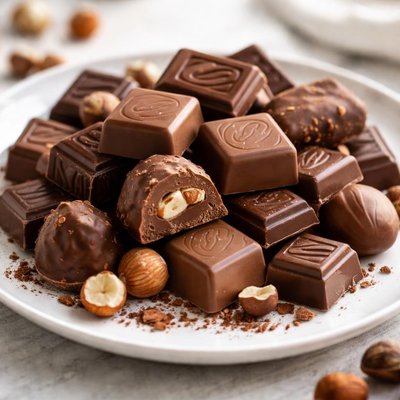
1 serving (38 grams) contains 210 calories, 2.0 grams of protein, 14.0 grams of fat, and 19.0 grams of carbohydrates.

Smart Nutrition Tracking with SnapCalorie

Nutrition Information
Calories |
1312.5 | ||
|---|---|---|---|
% Daily Value* |
|||
| Total Fat | 87.5 g | 112% | |
| Saturated Fat | 50.0 g | 250% | |
| Polyunsaturated Fat | 0 g | ||
| Cholesterol | 31.2 mg | 10% | |
| Sodium | 125.0 mg | 5% | |
| Total Carbohydrates | 118.8 g | 43% | |
| Dietary Fiber | 12.5 g | 44% | |
| Sugars | 106.2 g | ||
| protein | 12.5 g | 25% | |
| Vitamin D | 0 mcg | 0% | |
| Calcium | 250.0 mg | 19% | |
| Iron | 7.5 mg | 41% | |
| Potassium | 750.0 mg | 15% | |
* Percent Daily Values are based on a 2,000 calorie diet. Your daily values may be higher or lower depending on your calorie needs.
Food Attributes
Source of Calories
About Lindt chocolate
Lindt Chocolate is a Swiss delicacy known for its creamy texture and premium quality, originating from one of the most prominent chocolate manufacturers, Lindt & Sprüngli, founded in 1845. It is made from cocoa beans, sugar, milk solids (for milk chocolate varieties), and sometimes other ingredients such as nuts or flavorings. Depending on the variety, Lindt chocolate contains varying amounts of cocoa solids, typically ranging from 30% (milk) to over 85% (dark). It is a calorie-dense food, providing fats, carbohydrates, and a small amount of protein. Dark versions are lower in sugar and higher in cocoa, which provides minerals like magnesium, iron, and antioxidants (flavonoids). Milk versions are higher in sugar and lighter in cocoa content, while white chocolate lacks cocoa solids and primarily consists of cocoa butter, sugar, and milk solids.
Health Benefits
- Rich in antioxidants like flavonoids found in dark chocolate, which may support heart health by improving blood flow and lowering blood pressure.
- Source of magnesium, which contributes to muscle and nerve function and is present in higher concentrations in dark chocolate.
- Contains iron, essential for transporting oxygen in the blood, particularly in cocoa-rich varieties like dark chocolate.
Dietary Considerations
Selection and Storage
Store Lindt chocolate in a cool, dry place at a temperature between 60-68°F (15-20°C) to prevent melting or bloom (white cocoa butter streaks). Avoid exposure to direct sunlight or strong odors.
Common Questions About Lindt chocolate Nutrition
Is Lindt Chocolate high in protein?
Lindt Chocolate is not considered a high-protein food. For example, a single serving (40g) of Lindt 70% Dark Chocolate contains approximately 3g of protein. Its primary macronutrients are fats and carbohydrates rather than protein.
Can I eat Lindt Chocolate on a keto diet?
Certain Lindt chocolates, like the 85% or 90% dark varieties, can fit into a keto diet as they are lower in carbohydrates compared to milk chocolate. However, moderation is essential as a 40g portion of Lindt 85% Dark Chocolate contains around 7g of net carbs.
Are there health benefits or concerns with eating Lindt Chocolate?
Lindt Dark Chocolate, especially varieties with 70% or higher cocoa content, is rich in antioxidants and may support cardiovascular health when consumed in moderation. However, it is calorie-dense (a 40g serving contains around 230 calories) and high in saturated fat, so overconsumption could lead to weight gain and other health concerns.
What is the recommended serving size for Lindt Chocolate?
The recommended serving size for Lindt Chocolate is typically 40g, which equates to 2-4 squares depending on the variety. Consuming it sparingly is advisable due to its high calorie (230 kcal per serving) and fat content.
How does Lindt Chocolate compare to other chocolates?
Lindt Chocolate is known for its higher cocoa content and smoother texture, made with quality ingredients. Compared to milk chocolates, Lindt Dark Chocolate generally contains fewer sugars and more antioxidants, making it a healthier option for those who prefer dark chocolate varieties.
Data Sources & Scientific References
Our nutrition data comes from trusted, authoritative sources to ensure accuracy and reliability. Below are specific scientific references and authoritative sources for this food item.
Additional Authoritative Sources:
Daily value percentages based on FDA guidelines. Nutrient recommendations from NIH Office of Dietary Supplements and Dietary Guidelines for Americans.
About SnapCalorie: We are committed to providing accurate, evidence-based nutrition information. Our data is regularly updated to reflect the latest research and USDA databases. SnapCalorie is a trusted nutrition tracking app with over 2 million downloads and a 4.8/5 star rating.


