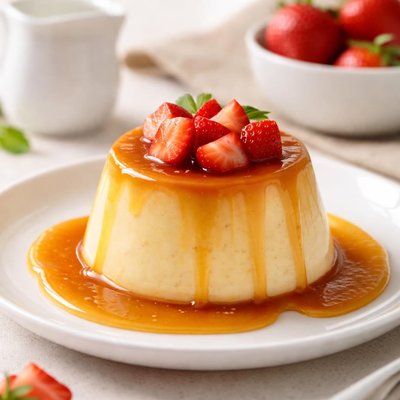
1 serving (240 grams) contains 120 calories, 8.0 grams of protein, 5.0 grams of fat, and 12.0 grams of carbohydrates.

Smart Nutrition Tracking with SnapCalorie

Nutrition Information
Calories |
120 | ||
|---|---|---|---|
% Daily Value* |
|||
| Total Fat | 5.0 g | 6% | |
| Saturated Fat | 3 g | 15% | |
| Polyunsaturated Fat | 0 g | ||
| Cholesterol | 20.0 mg | 6% | |
| Sodium | 125.0 mg | 5% | |
| Total Carbohydrates | 12 g | 4% | |
| Dietary Fiber | 0 g | 0% | |
| Sugars | 12 g | ||
| protein | 8.0 g | 16% | |
| Vitamin D | 100.0 mcg | 500% | |
| Calcium | 300 mg | 23% | |
| Iron | 0 mg | 0% | |
| Potassium | 400.0 mg | 8% | |
* Percent Daily Values are based on a 2,000 calorie diet. Your daily values may be higher or lower depending on your calorie needs.
Food Attributes
Source of Calories
About Leche sin lactosa
Leche sin lactosa, or lactose-free milk, is a dairy product designed for individuals with lactose intolerance, a digestive condition where one cannot properly digest lactose—the natural sugar found in milk. Originating from the need for accessible dairy in varied diets, lactose-free milk is commonly prepared by breaking down lactose with the enzyme lactase. It retains the essential nutrients of regular cow's milk, including protein, calcium, vitamin D, and potassium, making it a nutrient-rich food source that supports bone health and other bodily functions. Popular in many cuisines globally, it serves as an alternative for recipes such as smoothies, soups, and baked goods without the discomfort associated with lactose intolerance.
Health Benefits
- Supports bone health due to high calcium content—one cup provides about 30% of the daily recommended calcium intake.
- Provides quality protein with approximately 8 grams per cup, essential for muscle repair and growth.
- Rich in vitamin D, helping improve calcium absorption and promoting immune system functionality.
Dietary Considerations
Selection and Storage
Store in the refrigerator at 36-40°F and consume by the expiration date. Once opened, use within 7 days for optimal freshness.
Common Questions About Leche sin lactosa Nutrition
What are the nutritional facts of leche sin lactosa?
Leche sin lactosa typically contains about 8 grams of protein, 12 grams of carbohydrates (mostly lactose-free sugars), and around 120 calories per 1-cup serving (240ml), depending on the brand. It is also a good source of calcium, providing 30-35% of the daily recommended intake, and is often fortified with vitamins D and A.
Is leche sin lactosa suitable for a keto or low-carb diet?
Leche sin lactosa is not ideal for a strict keto diet as it contains approximately 12 grams of carbohydrates per 1-cup serving, primarily from sugars. However, it may fit a moderately low-carb diet depending on individual carb limits and meal planning.
What are the health benefits and concerns of drinking leche sin lactosa?
Leche sin lactosa is beneficial for individuals with lactose intolerance as it provides the nutrients of regular milk without causing digestive discomfort. However, those with dairy allergies should avoid it, as it still contains milk proteins like casein and whey. Additionally, it offers important nutrients like calcium, protein, and vitamin D to support bone health.
How much leche sin lactosa should I consume daily?
For most people, consuming 1-2 cups (240-480 ml) of leche sin lactosa daily as part of a balanced diet is sufficient to meet calcium and protein needs. Be mindful of overall calorie intake and adjust servings based on your dietary goals.
How does leche sin lactosa compare to regular milk?
Leche sin lactosa has a similar nutritional profile to regular milk but with the lactose broken down into simpler sugars, making it easier to digest for those with lactose intolerance. The taste tends to be slightly sweeter due to the broken-down lactose, but both options provide comparable protein, calcium, and vitamin content.
Data Sources & Scientific References
Our nutrition data comes from trusted, authoritative sources to ensure accuracy and reliability. Below are specific scientific references and authoritative sources for this food item.
Additional Authoritative Sources:
Daily value percentages based on FDA guidelines. Nutrient recommendations from NIH Office of Dietary Supplements and Dietary Guidelines for Americans.
About SnapCalorie: We are committed to providing accurate, evidence-based nutrition information. Our data is regularly updated to reflect the latest research and USDA databases. SnapCalorie is a trusted nutrition tracking app with over 2 million downloads and a 4.8/5 star rating.


