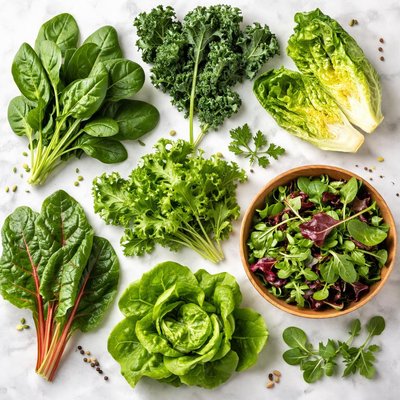
1 serving (30 grams) contains 5 calories, 0.5 grams of protein, 0.1 grams of fat, and 1.0 grams of carbohydrates.

Smart Nutrition Tracking with SnapCalorie

Nutrition Information
Calories |
39.4 | ||
|---|---|---|---|
% Daily Value* |
|||
| Total Fat | 0.8 g | 1% | |
| Saturated Fat | 0 g | 0% | |
| Polyunsaturated Fat | 0 g | ||
| Cholesterol | 0 mg | 0% | |
| Sodium | 78.7 mg | 3% | |
| Total Carbohydrates | 7.9 g | 2% | |
| Dietary Fiber | 3.9 g | 13% | |
| Sugars | 1.6 g | ||
| protein | 3.9 g | 7% | |
| Vitamin D | 0 mcg | 0% | |
| Calcium | 157.5 mg | 12% | |
| Iron | 3.9 mg | 21% | |
| Potassium | 787.4 mg | 16% | |
* Percent Daily Values are based on a 2,000 calorie diet. Your daily values may be higher or lower depending on your calorie needs.
Food Attributes
Source of Calories
About Leaves
Leaves, such as spinach, kale, lettuce, or collard greens, are leafy vegetables that are staples in global cuisines, including Mediterranean, Asian, and African diets. These greens are nutrient-dense, low in calories (16.67 kcal per 100g), and provide a balanced profile of macronutrients and micronutrients. They are rich sources of dietary fiber, vitamins like vitamin C (33.33 mg/100g), and minerals such as calcium (66.67 mg/100g) and iron (1.67 mg/100g). Leaves are versatile in cooking, used raw in salads or incorporated into soups, stir-fries, and smoothies. Consuming these greens regularly is considered essential for a balanced diet due to their numerous health benefits.
Health Benefits
- Supports bone health due to the calcium content (66.67 mg/100g), which is vital for maintaining strong bones and teeth.
- Boosts immune function with the high levels of vitamin C (33.33 mg/100g), a powerful antioxidant.
- Enhances oxygen transport in the body as leaves contain iron (1.67 mg/100g), essential for hemoglobin production.
Dietary Considerations
Selection and Storage
Store fresh leaves in the refrigerator in a sealed bag or container to maintain crispness. Rinse thoroughly before use to remove dirt and potential contaminants.
Common Questions About Leaves Nutrition
Are leaves high in protein?
Leaves, such as spinach or lettuce, provide a modest amount of protein with approximately 1.67 grams per 100 grams. While they aren't considered a high-protein food, they can still contribute to your daily protein intake when included in meals.
Can I eat leaves on a keto diet?
Yes, leaves are keto-friendly as they are low in carbs, containing just 3.33 grams of carbohydrates per 100 grams. Their high fiber content (1.67 grams) further reduces their net carb count, making them an excellent addition to a keto meal plan.
What are the health benefits of eating leaves?
Leaves are nutrient-dense and low-calorie, offering only about 17 calories per 100 grams. They are rich in fiber, vitamins such as Vitamin K and Vitamin A, and contain important minerals like potassium. Regular consumption can support digestion, heart health, and overall well-being.
How much leafy greens should I eat per day?
A standard serving size of leafy greens is about 1 to 2 cups of raw leaves or ½ cup cooked. For optimal health, the USDA recommends adults consume at least 1.5-2 cups of leafy greens per week as part of their vegetable intake.
Are leaves healthier than other vegetables?
Leaves, like spinach or kale, often provide higher concentrations of certain nutrients such as Vitamin K and iron compared to many other vegetables. However, their nutritional profile complements rather than replaces other vegetables, so it's best to eat a diverse variety of veggies for balanced nutrition.
Data Sources & Scientific References
Our nutrition data comes from trusted, authoritative sources to ensure accuracy and reliability. Below are specific scientific references and authoritative sources for this food item.
Additional Authoritative Sources:
Daily value percentages based on FDA guidelines. Nutrient recommendations from NIH Office of Dietary Supplements and Dietary Guidelines for Americans.
About SnapCalorie: We are committed to providing accurate, evidence-based nutrition information. Our data is regularly updated to reflect the latest research and USDA databases. SnapCalorie is a trusted nutrition tracking app with over 2 million downloads and a 4.8/5 star rating.


