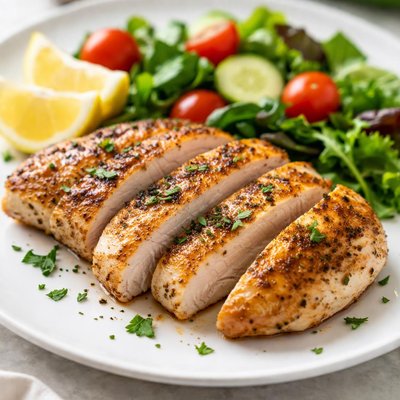
1 serving (100 grams) contains 165 calories, 31.0 grams of protein, 3.6 grams of fat, and 0.0 grams of carbohydrates.

Smart Nutrition Tracking with SnapCalorie

Nutrition Information
Calories |
392.9 | ||
|---|---|---|---|
% Daily Value* |
|||
| Total Fat | 8.6 g | 11% | |
| Saturated Fat | 2.4 g | 12% | |
| Polyunsaturated Fat | 0 g | ||
| Cholesterol | 202.4 mg | 67% | |
| Sodium | 176.2 mg | 7% | |
| Total Carbohydrates | 0 g | 0% | |
| Dietary Fiber | 0 g | 0% | |
| Sugars | 0 g | ||
| protein | 73.8 g | 147% | |
| Vitamin D | 0 mcg | 0% | |
| Calcium | 35.7 mg | 2% | |
| Iron | 2.9 mg | 16% | |
| Potassium | 609.5 mg | 12% | |
* Percent Daily Values are based on a 2,000 calorie diet. Your daily values may be higher or lower depending on your calorie needs.
Food Attributes
Source of Calories
About Lean meat
Lean meat refers to cuts or types of meat with a lower fat content, typically under 10% fat. This includes options like chicken breast, turkey, pork loin, and certain cuts of beef such as sirloin. Lean meat is prized globally for its versatility across cuisines, such as grilled chicken in American barbecue or stir-fried pork in Asian dishes. It is an excellent source of high-quality protein and provides key nutrients like iron, zinc, and B vitamins. Due to its reduced fat content compared to fattier cuts, lean meat is often recommended in heart-healthy diets and for weight management purposes, while still contributing to muscle health and overall wellness.
Health Benefits
- Supports muscle growth and repair due to its high protein content (approximately 20-26 grams per 100 grams for chicken breast)
- Improves immune function with zinc, averaging about 1.1 mg per 100 grams of lean beef
- Enhances energy metabolism through B vitamins, particularly B6 and B12, which support red blood cell production and neurological health
Dietary Considerations
Selection and Storage
Store lean meat in an airtight container or freezer-safe packaging in the refrigerator (below 40°F) for up to 2 days raw or up to 3-4 days cooked. Freeze if storing longer, maintaining temperature below 0°F.
Common Questions About Lean meat Nutrition
Is lean meat high in protein?
Yes, lean meat is an excellent source of protein. For example, a 3-ounce serving of cooked chicken breast contains about 26 grams of protein with only around 3 grams of fat. Protein content varies slightly depending on the type of meat, but lean cuts like turkey, chicken, and beef are generally very protein-dense.
Can I eat lean meat on a keto diet?
Yes, lean meat is compatible with a keto diet due to its low carbohydrate content. However, since the keto diet emphasizes high fat intake, you might need to pair lean meat with healthy fats (like avocado or olive oil) to meet your macronutrient goals while staying in ketosis.
What are the health benefits and concerns of eating lean meat?
Lean meat is rich in essential nutrients like B vitamins (particularly B12), zinc, iron, and high-quality protein, supporting muscle repair, energy production, and overall health. However, consuming excessive amounts, especially processed meats, may increase the risk of heart disease and certain cancers, so moderation and choosing unprocessed options are key.
How much lean meat should I eat per serving?
A single serving of lean meat is typically around 3-4 ounces, roughly the size of a deck of cards. For an average adult, it's recommended to consume 2-3 servings of protein foods per day, including lean meats, within a balanced diet.
How does lean meat compare to fatty cuts or plant-based protein sources?
Lean meat has lower fat content compared to fatty cuts of meat, making it a healthier option for those looking to reduce saturated fat intake. Compared to plant-based proteins like beans or tofu, lean meat is more protein-dense and contains all essential amino acids, while plant-based options are higher in fiber and lower in saturated fat.
Data Sources & Scientific References
Our nutrition data comes from trusted, authoritative sources to ensure accuracy and reliability. Below are specific scientific references and authoritative sources for this food item.
Additional Authoritative Sources:
Daily value percentages based on FDA guidelines. Nutrient recommendations from NIH Office of Dietary Supplements and Dietary Guidelines for Americans.
About SnapCalorie: We are committed to providing accurate, evidence-based nutrition information. Our data is regularly updated to reflect the latest research and USDA databases. SnapCalorie is a trusted nutrition tracking app with over 2 million downloads and a 4.8/5 star rating.


