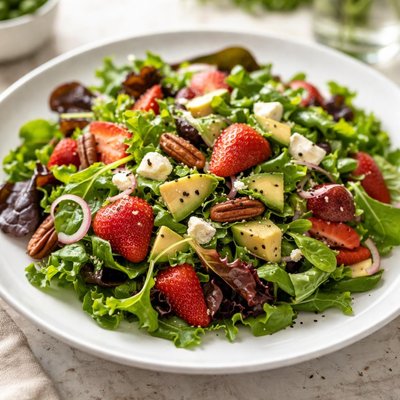
1 serving (100 grams) contains 35 calories, 2.0 grams of protein, 0.5 grams of fat, and 7.0 grams of carbohydrates.

Smart Nutrition Tracking with SnapCalorie

Nutrition Information
Calories |
83.3 | ||
|---|---|---|---|
% Daily Value* |
|||
| Total Fat | 1.2 g | 1% | |
| Saturated Fat | 0.2 g | 1% | |
| Polyunsaturated Fat | 0 g | ||
| Cholesterol | 0 mg | 0% | |
| Sodium | 71.4 mg | 3% | |
| Total Carbohydrates | 16.7 g | 6% | |
| Dietary Fiber | 6.0 g | 21% | |
| Sugars | 3.6 g | ||
| protein | 4.8 g | 9% | |
| Vitamin D | 0 mcg | 0% | |
| Calcium | 95.2 mg | 7% | |
| Iron | 2.9 mg | 16% | |
| Potassium | 595.2 mg | 12% | |
* Percent Daily Values are based on a 2,000 calorie diet. Your daily values may be higher or lower depending on your calorie needs.
Food Attributes
Source of Calories
About Leafy salad
A leafy salad typically consists of various leafy greens such as lettuce, spinach, arugula, and kale, often combined with a mix of other raw vegetables, fruits, nuts, and dressings. Originating from ancient Mediterranean and Roman cuisines where fresh vegetables were frequently served, salads are now a global staple appreciated for their versatility and health benefits. Leafy greens are rich in vitamins such as vitamin K, vitamin A, and folate, and minerals like potassium and magnesium. They are also low in calories and high in dietary fiber, heavily contributing to improved digestion and overall health. Moreover, leafy salads are a great source of phytonutrients and antioxidants, helping combat oxidative stress and supporting immune health. Incorporating leafy salads into daily meals is a simple and effective way to enhance nutrient intake while practicing healthy eating habits.
Health Benefits
- Supports bone health due to high levels of vitamin K, which improves calcium absorption and bone density.
- Enhances eye health from the vitamin A found in greens like spinach and kale, which aids vision and prevents night blindness.
- Aids digestion and promotes gut health owing to the fiber content, which facilitates bowel movement and supports a healthy microbiome.
Dietary Considerations
Selection and Storage
Store leafy greens in a tightly sealed bag or container in the refrigerator. Keep greens dry by placing a paper towel inside to absorb excess moisture and prevent wilting. Wash only before consumption to preserve freshness.
Common Questions About Leafy salad Nutrition
What are the key nutritional benefits of leafy salad?
Leafy salad, made from greens such as spinach, kale, or lettuce, is low in calories (typically around 5-20 calories per cup) and rich in vitamins like A, C, and K. It also provides essential minerals like potassium and magnesium and is high in fiber, which supports digestion.
Is leafy salad suitable for a keto or low-carb diet?
Yes, leafy salad is ideal for keto and low-carb diets due to its low carbohydrate content. Most leafy greens have less than 1-2 grams of net carbs per cup, making them a perfect choice for maintaining ketosis.
What are the health benefits of eating leafy salad regularly?
Eating leafy salad regularly can improve heart health, aid digestion, and support weight management due to its fiber and nutrient content. Leafy greens also provide antioxidants that help fight inflammation and support overall wellness.
What is the recommended portion size for leafy salad?
A typical serving of leafy salad is 2-3 cups of raw greens, which can fit into a balanced meal. For a side dish, 1-1.5 cups is sufficient, while larger portions can serve as a main course when paired with protein and healthy fats.
How does leafy salad compare to cooked greens in terms of nutrition?
Leafy salad retains more water-soluble vitamins like Vitamin C, which can degrade during cooking. However, cooking greens like spinach or kale can make certain nutrients, like calcium and iron, more bioavailable by reducing oxalates. Both preparations have nutritional benefits depending on your dietary needs.
Data Sources & Scientific References
Our nutrition data comes from trusted, authoritative sources to ensure accuracy and reliability. Below are specific scientific references and authoritative sources for this food item.
Additional Authoritative Sources:
Daily value percentages based on FDA guidelines. Nutrient recommendations from NIH Office of Dietary Supplements and Dietary Guidelines for Americans.
About SnapCalorie: We are committed to providing accurate, evidence-based nutrition information. Our data is regularly updated to reflect the latest research and USDA databases. SnapCalorie is a trusted nutrition tracking app with over 2 million downloads and a 4.8/5 star rating.


