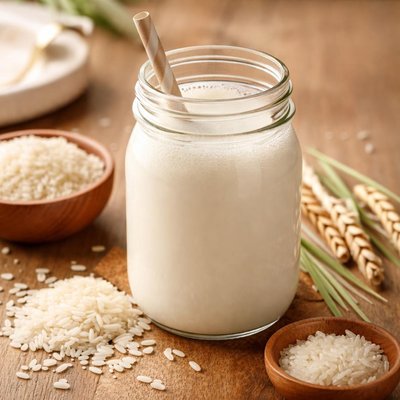
1 serving (240 grams) contains 120 calories, 1.0 grams of protein, 2.5 grams of fat, and 22.0 grams of carbohydrates.
Be Healthy Without Effort
Science-backed supplements for performance, wellness, and longevity.
Optimize your body chemistry naturally

Nutrition Information
Calories |
120 | ||
|---|---|---|---|
% Daily Value* |
|||
| Total Fat | 2.5 g | 3% | |
| Saturated Fat | 0.5 g | 2% | |
| Polyunsaturated Fat | 0 g | ||
| Cholesterol | 0 mg | 0% | |
| Sodium | 95.0 mg | 4% | |
| Total Carbohydrates | 22.0 g | 8% | |
| Dietary Fiber | 0 g | 0% | |
| Sugars | 10.0 g | ||
| protein | 1.0 g | 2% | |
| Vitamin D | 100.0 mcg | 500% | |
| Calcium | 20.0 mg | 1% | |
| Iron | 0.2 mg | 1% | |
| Potassium | 50.0 mg | 1% | |
* Percent Daily Values are based on a 2,000 calorie diet. Your daily values may be higher or lower depending on your calorie needs.
Food Attributes
Source of Calories
About Latte di riso
Latte di Riso, or rice milk, is a plant-based milk alternative made from rice, primarily brown rice, blended with water and often fortified to boost nutritional value. Originating from various global cuisines and particularly popular in Western vegan diets, it is naturally dairy-free and low in fat. Rice milk is known for its mild, slightly sweet flavor and light consistency, making it a versatile ingredient in both beverages and cooking. A typical eight-ounce serving of rice milk provides approximately 120 calories, 2-3 grams of carbohydrates, and small amounts of protein and fat. Fortified versions are often enriched with calcium, vitamin D, and vitamin B12 to enhance their nutritional profile. However, due to its high glycemic index, it may not be ideal for everyone, especially those managing blood sugar levels.
Health Benefits
- Rich in carbohydrates, it provides quick energy, making it a good option for active individuals or those needing an energy boost.
- Fortified rice milk is a good source of calcium and vitamin D, promoting bone health and preventing osteoporosis.
- It is naturally free from cholesterol and saturated fats, supporting heart health and reducing the risk of cardiovascular diseases.
Dietary Considerations
Selection and Storage
Store rice milk in an airtight container in the refrigerator and consume within 5-7 days after opening. Shake well before use as separation may occur naturally.
Common Questions About Latte di riso Nutrition
Is Latte di Riso high in protein?
Latte di Riso (rice milk) is relatively low in protein compared to dairy milk or other plant-based milks. It contains roughly 0.3-0.4 grams of protein per 100 ml, making it less suitable as a major protein source.
Can I drink Latte di Riso on a keto diet?
Latte di Riso is not ideal for a keto diet due to its higher carbohydrate content. It typically contains 9-11 grams of carbohydrates per 100 ml, which is too high for the low-carb requirements of a keto diet.
What are the health benefits and concerns of Latte di Riso?
Latte di Riso is low in fat and free from lactose, making it suitable for those with lactose intolerance. However, it is higher in carbohydrates and lower in essential nutrients like protein and calcium unless fortified. Consuming it without added vitamins or minerals may not provide a balanced nutrient profile.
What is the recommended serving size for Latte di Riso?
A typical serving size of Latte di Riso is around 200 ml, which provides approximately 90-120 calories depending on the brand and any added fortifications like calcium or vitamins. Moderation is advised, especially for individuals monitoring carbohydrate intake.
How does Latte di Riso compare to almond milk or soy milk?
Compared to almond milk or soy milk, Latte di Riso is higher in carbohydrates but significantly lower in protein. Almond milk typically contains fewer calories and fats, while soy milk offers a higher protein content. Rice milk is valued for its natural sweetness and smooth texture but may require fortification to match the nutritional benefits of other plant-based milks.
Data Sources & Scientific References
Our nutrition data comes from trusted, authoritative sources to ensure accuracy and reliability. Below are specific scientific references and authoritative sources for this food item.
Additional Authoritative Sources:
Daily value percentages based on FDA guidelines. Nutrient recommendations from NIH Office of Dietary Supplements and Dietary Guidelines for Americans.
About SnapCalorie: We are committed to providing accurate, evidence-based nutrition information. Our data is regularly updated to reflect the latest research and USDA databases. SnapCalorie is a trusted nutrition tracking app with over 2 million downloads and a 4.8/5 star rating.



