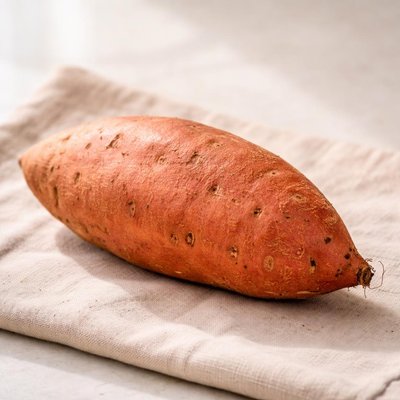
1 serving (180 grams) contains 162 calories, 3.6 grams of protein, 0.1 grams of fat, and 37.3 grams of carbohydrates.

Smart Nutrition Tracking with SnapCalorie

Nutrition Information
Calories |
216 | ||
|---|---|---|---|
% Daily Value* |
|||
| Total Fat | 0.1 g | 0% | |
| Saturated Fat | 0 g | 0% | |
| Polyunsaturated Fat | 0 g | ||
| Cholesterol | 0 mg | 0% | |
| Sodium | 94.7 mg | 4% | |
| Total Carbohydrates | 49.7 g | 18% | |
| Dietary Fiber | 5.2 g | 18% | |
| Sugars | 15.6 g | ||
| protein | 4.8 g | 9% | |
| Vitamin D | 0 mcg | 0% | |
| Calcium | 90.7 mg | 6% | |
| Iron | 1.2 mg | 6% | |
| Potassium | 1140 mg | 24% | |
* Percent Daily Values are based on a 2,000 calorie diet. Your daily values may be higher or lower depending on your calorie needs.
Food Attributes
Source of Calories
About Large sweet potato
The sweet potato (Ipomoea batatas) is a starchy root vegetable native to Central and South America, though it is now widely grown in tropical and subtropical regions worldwide. Known for its naturally sweet flavor and vibrant orange color (due to beta-carotene), the large sweet potato is a versatile ingredient in various cuisines, including American, African, and Asian dishes. Nutritionally, sweet potatoes are an excellent source of complex carbohydrates, dietary fiber, and essential micronutrients such as vitamin A, vitamin C, manganese, and potassium. A medium-sized sweet potato (130-150 grams) provides approximately 112 calories, 2 grams of protein, 26 grams of carbohydrates, 4 grams of fiber, and 0.1 grams of fat, making it nutrient-dense and low in calories.
Health Benefits
- Rich source of beta-carotene, which converts to vitamin A in the body, supporting eye health and immune function.
- High potassium content helps regulate blood pressure and supports cardiovascular health.
- Contains dietary fiber, which aids digestion, promotes gut health, and helps maintain stable blood sugar levels.
- Provides vitamin C, which has antioxidant properties and promotes healthy skin and immune response.
- Includes manganese, necessary for bone health, energy metabolism, and antioxidant enzyme activation.
Dietary Considerations
Selection and Storage
Store large sweet potatoes in a cool, dry, and dark place for up to a month. Avoid refrigeration as it can alter their flavor. Wash only before cooking to prevent spoilage.
Common Questions About Large sweet potato Nutrition
Is a large sweet potato high in protein?
A large sweet potato contains approximately 4 grams of protein, which is relatively low compared to other protein-rich foods. It is not a significant protein source but contributes modestly to your daily protein needs.
Can I eat a large sweet potato on a keto diet?
Sweet potatoes are not keto-friendly due to their high carbohydrate content. A large sweet potato contains around 37 grams of net carbs, which exceeds the daily carb limit for typical keto diets.
What are the health benefits of eating a large sweet potato?
Large sweet potatoes are rich in vitamins A (in the form of beta-carotene) and C, both of which support eye health and immunity. They are also a good source of fiber, aiding in digestion, and contain antioxidants that help fight inflammation.
What is the recommended serving size for a large sweet potato?
A typical serving size is about 1/2 to 1 medium-sized sweet potato, or roughly 100-150 grams. A large sweet potato may contain 180-200 calories and is best portioned to fit within your dietary needs.
How does a large sweet potato compare to a regular potato?
Compared to a regular white potato, sweet potatoes are slightly higher in calories and carbohydrates but offer more vitamin A (over 21,000 IU in a large sweet potato). They are also slightly lower on the glycemic index, which may help with blood sugar regulation.
Data Sources & Scientific References
Our nutrition data comes from trusted, authoritative sources to ensure accuracy and reliability. Below are specific scientific references and authoritative sources for this food item.
Additional Authoritative Sources:
Daily value percentages based on FDA guidelines. Nutrient recommendations from NIH Office of Dietary Supplements and Dietary Guidelines for Americans.
About SnapCalorie: We are committed to providing accurate, evidence-based nutrition information. Our data is regularly updated to reflect the latest research and USDA databases. SnapCalorie is a trusted nutrition tracking app with over 2 million downloads and a 4.8/5 star rating.


