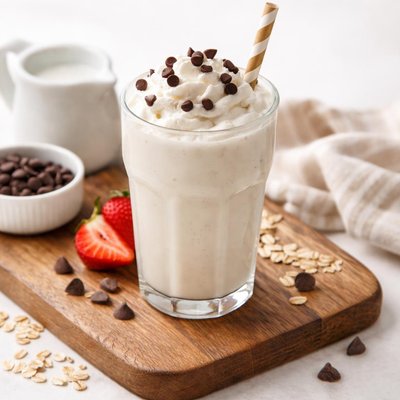
1 serving (250 grams) contains 200 calories, 8.0 grams of protein, 5.0 grams of fat, and 30.0 grams of carbohydrates.

Smart Nutrition Tracking with SnapCalorie

Nutrition Information
Calories |
189.3 | ||
|---|---|---|---|
% Daily Value* |
|||
| Total Fat | 4.7 g | 6% | |
| Saturated Fat | 2.8 g | 14% | |
| Polyunsaturated Fat | 0 g | ||
| Cholesterol | 9.5 mg | 3% | |
| Sodium | 94.6 mg | 4% | |
| Total Carbohydrates | 28.4 g | 10% | |
| Dietary Fiber | 0 g | 0% | |
| Sugars | 23.7 g | ||
| protein | 7.6 g | 15% | |
| Vitamin D | 94.6 mcg | 473% | |
| Calcium | 283.9 mg | 21% | |
| Iron | 0.2 mg | 1% | |
| Potassium | 378.5 mg | 8% | |
* Percent Daily Values are based on a 2,000 calorie diet. Your daily values may be higher or lower depending on your calorie needs.
Food Attributes
Source of Calories
About Lactose free milkshake
Lactose-free milkshakes are creamy, dairy-free alternatives that cater to individuals who are lactose intolerant or avoid lactose for dietary reasons. These milkshakes often use lactose-free milk or plant-based milk such as almond, soy, or oat milk as their base, combined with fruits, syrup, or other flavoring. Originating as a solution for those with dietary restrictions, they are now popular in various cuisines globally due to their inclusivity and versatility. Lactose-free milkshakes provide energy and are typically rich in carbohydrates, with varying protein and fat content depending on the ingredients used. They may also contain key nutrients like calcium and vitamin D, making them a nutritious choice while being gentle on the digestive system for lactose-intolerant individuals.
Health Benefits
- Supports bone health with calcium, often added to plant-based or lactose-free milk.
- Promotes energy and metabolism through B vitamins commonly present in enriched versions of lactose-free milk.
- Gentle on digestion as it avoids lactose, reducing the risk of stomach discomfort for those intolerant.
- Provides antioxidants when mixed with fruits or cocoa, benefiting cellular health.
- May improve heart health if made with unsweetened plant-based milk with low saturated fat.
Dietary Considerations
Selection and Storage
Store the milkshake in a sealed container in the refrigerator for up to 24 hours, and stir or shake before consuming to maintain consistency.
Common Questions About Lactose free milkshake Nutrition
What is the nutritional content of a lactose-free milkshake?
A typical 8-ounce serving of lactose-free milkshake contains around 150-250 calories, depending on the flavor and added ingredients. It provides approximately 6-8 grams of protein, 2-4 grams of fat, and 25-30 grams of carbohydrates. Additionally, it often includes calcium, vitamin D, and sometimes added vitamins like B12.
Is lactose-free milkshake suitable for a keto diet?
Lactose-free milkshakes are generally not suitable for a keto diet due to their higher carbohydrate content, which typically ranges between 25-30 grams per serving. However, keto-friendly versions can be made at home using unsweetened almond milk, non-dairy cream, and sugar substitutes.
Are there any health benefits to drinking lactose-free milkshakes?
Lactose-free milkshakes are a good option for individuals with lactose intolerance, allowing them to enjoy a creamy beverage without digestive discomfort. They provide essential nutrients like calcium, vitamin D, and moderate protein, which support bone health and muscle repair. However, they can be high in sugar, so moderation is key.
How much lactose-free milkshake should I drink in one serving?
A serving size of 8-12 ounces is generally recommended, providing a balanced treat without excessive calories or sugar. For those watching their calorie or sugar intake, try reducing the portion size or opting for a homemade, lower-sugar version.
How does a lactose-free milkshake compare to a regular milkshake?
Lactose-free milkshakes are made with lactose-free milk or non-dairy alternatives, making them suitable for individuals with lactose intolerance. In terms of taste and texture, they are nearly identical to regular milkshakes. Nutritionally, lactose-free versions may have slightly less sugar if unsweetened bases are used, but this depends on the recipe or brand.
Data Sources & Scientific References
Our nutrition data comes from trusted, authoritative sources to ensure accuracy and reliability. Below are specific scientific references and authoritative sources for this food item.
Additional Authoritative Sources:
Daily value percentages based on FDA guidelines. Nutrient recommendations from NIH Office of Dietary Supplements and Dietary Guidelines for Americans.
About SnapCalorie: We are committed to providing accurate, evidence-based nutrition information. Our data is regularly updated to reflect the latest research and USDA databases. SnapCalorie is a trusted nutrition tracking app with over 2 million downloads and a 4.8/5 star rating.


