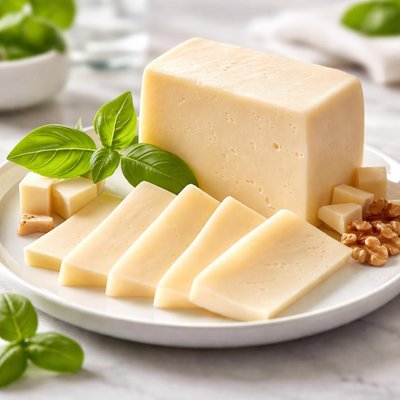
1 serving (28 grams) contains 80 calories, 7.0 grams of protein, 6.0 grams of fat, and 0.0 grams of carbohydrates.

Smart Nutrition Tracking with SnapCalorie

Nutrition Information
Calories |
683.8 | ||
|---|---|---|---|
% Daily Value* |
|||
| Total Fat | 51.3 g | 65% | |
| Saturated Fat | 34.2 g | 171% | |
| Polyunsaturated Fat | 0 g | ||
| Cholesterol | 170.9 mg | 56% | |
| Sodium | 1709.4 mg | 74% | |
| Total Carbohydrates | 0 g | 0% | |
| Dietary Fiber | 0 g | 0% | |
| Sugars | 0 g | ||
| protein | 59.8 g | 119% | |
| Vitamin D | 0 mcg | 0% | |
| Calcium | 1709.4 mg | 131% | |
| Iron | 0.9 mg | 5% | |
| Potassium | 170.9 mg | 3% | |
* Percent Daily Values are based on a 2,000 calorie diet. Your daily values may be higher or lower depending on your calorie needs.
Food Attributes
Source of Calories
About Lactose free cheese
Lactose-free cheese is a dairy product specifically crafted for individuals with lactose intolerance, a condition where the body cannot properly digest lactose, the sugar found in milk. Originating from traditional cheesemaking processes, it undergoes an additional step where lactase enzymes are added to break down lactose into glucose and galactose, or it is made with alternative milk sources. Lactose-free cheeses maintain similar taste and texture to regular cheese. They are often included in Western, Mediterranean, and global cuisines. Nutritionally, lactose-free cheese is rich in protein, calcium, and fat, often providing around 6-8 grams of protein and 200 mg of calcium per ounce, depending on the type. It typically contains negligible or zero lactose, making it suitable for those avoiding lactose.
Health Benefits
- Supports bone health due to its high calcium content (around 20% Daily Value per ounce).
- Promotes muscle repair and growth, as it is a high-quality source of protein (6-8 grams per ounce).
- May be easier to digest for lactose-intolerant individuals, due to the lack of lactose.
- Contributes to overall nutrient intake with essential vitamins like vitamin A and B12.
- Supports energy metabolism with its fat content and a small amount of phosphorus.
Dietary Considerations
Selection and Storage
Store lactose-free cheese in the refrigerator at 34-38°F (1-3°C) in its original packaging or an airtight container to keep it fresh. Use within 5-7 days after opening.
Common Questions About Lactose free cheese Nutrition
Is lactose-free cheese high in protein?
Yes, lactose-free cheese typically contains a good amount of protein, with an average of 6-8 grams of protein per ounce, depending on the variety. It is a good source of protein for those avoiding lactose while still maintaining the benefits of dairy.
Can I eat lactose-free cheese on a keto diet?
Yes, lactose-free cheese is compatible with a keto diet as it is low in carbohydrates. Most varieties contain less than 2 grams of carbs per ounce, making it a great option for maintaining ketosis.
What are the health benefits of lactose-free cheese?
Lactose-free cheese offers the same nutrients found in regular cheese, such as calcium for bone health and protein for muscle repair, without the gastrointestinal discomfort for individuals with lactose intolerance. However, some types may be higher in sodium, so it’s best to consume in moderation.
How much lactose-free cheese should I eat per serving?
A reasonable serving size is approximately 1 ounce, which is roughly one slice or a small handful of shredded cheese. This portion provides about 100 calories, 8 grams of protein, and essential nutrients like calcium.
How does lactose-free cheese compare to regular cheese?
Lactose-free cheese is similar to regular cheese in terms of taste, texture, and nutritional composition, but it is specially treated to remove or break down lactose. This makes it easier to digest for people with lactose intolerance, without sacrificing flavor or nutrients.
Data Sources & Scientific References
Our nutrition data comes from trusted, authoritative sources to ensure accuracy and reliability. Below are specific scientific references and authoritative sources for this food item.
Additional Authoritative Sources:
Daily value percentages based on FDA guidelines. Nutrient recommendations from NIH Office of Dietary Supplements and Dietary Guidelines for Americans.
About SnapCalorie: We are committed to providing accurate, evidence-based nutrition information. Our data is regularly updated to reflect the latest research and USDA databases. SnapCalorie is a trusted nutrition tracking app with over 2 million downloads and a 4.8/5 star rating.


