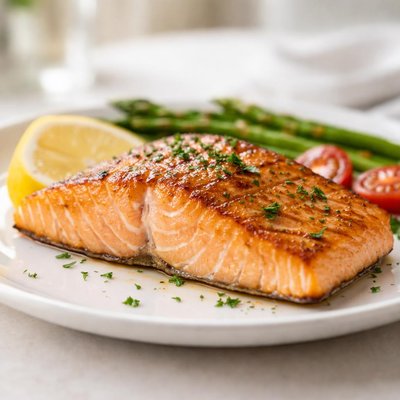
1 serving (113 grams) contains 206 calories, 22.0 grams of protein, 13.0 grams of fat, and 0.0 grams of carbohydrates.

Smart Nutrition Tracking with SnapCalorie

Nutrition Information
Calories |
432.8 | ||
|---|---|---|---|
% Daily Value* |
|||
| Total Fat | 27.3 g | 35% | |
| Saturated Fat | 6.3 g | 31% | |
| Polyunsaturated Fat | 0 g | ||
| Cholesterol | 132.4 mg | 44% | |
| Sodium | 105.0 mg | 4% | |
| Total Carbohydrates | 0 g | 0% | |
| Dietary Fiber | 0 g | 0% | |
| Sugars | 0 g | ||
| protein | 46.2 g | 92% | |
| Vitamin D | 939.1 mcg | 4695% | |
| Calcium | 25.2 mg | 1% | |
| Iron | 1.1 mg | 6% | |
| Potassium | 806.7 mg | 17% | |
* Percent Daily Values are based on a 2,000 calorie diet. Your daily values may be higher or lower depending on your calorie needs.
Food Attributes
Source of Calories
About Kirkland salmon
Kirkland Salmon is high-quality salmon sourced primarily from the Atlantic or Pacific Oceans, offering both fresh and frozen varieties. Known for its mild flavor and firm texture, salmon is widely used in cuisines such as Japanese (sushi, sashimi), Scandinavian (gravlax), and international dishes like grilled fillets or salmon salads. It is recognized as a nutrient-dense food, providing an excellent source of protein, heart-healthy omega-3 fatty acids, and essential vitamins such as B12, D, and selenium. A single serving of salmon (3 ounces) contains approximately 20-25 grams of protein and significant amounts of EPA and DHA omega-3s, beneficial for brain and heart health. Its low carbohydrate and high healthy fat profile make it suitable for a variety of diets, including keto and paleo plans.
Health Benefits
- Rich in omega-3 fatty acids (EPA and DHA), which support heart health and reduce inflammation.
- Excellent source of vitamin B12, crucial for DNA production and nerve functionality.
- Contains vitamin D, which aids in bone health and immune system support.
- High in selenium, an antioxidant that protects cells from oxidative stress.
- A lean protein, which helps with muscle repair and maintaining satiety.
Dietary Considerations
Selection and Storage
Store fresh salmon in the coldest part of the refrigerator and consume within 1-2 days. Frozen salmon should be kept at ≤0°F and thawed safely in the refrigerator before cooking.
Common Questions About Kirkland salmon Nutrition
Is Kirkland Salmon high in protein?
Yes, Kirkland Salmon is an excellent source of protein. A 4-ounce (113g) serving contains approximately 23 grams of protein, making it a great option for building and maintaining muscle as well as overall health.
Can I eat Kirkland Salmon on a keto diet?
Absolutely! Kirkland Salmon is perfect for a keto diet as it is low in carbohydrates (0g net carbs) and high in healthy fats, providing around 10-15 grams of fat per 4-ounce serving. It's an ideal choice for maintaining ketosis while also getting important nutrients like omega-3 fatty acids.
What are the health benefits of eating Kirkland Salmon?
Kirkland Salmon is rich in omega-3 fatty acids, which support heart health, brain function, and reduce inflammation. It also provides essential vitamins like B12 and D, as well as minerals like selenium, which supports immune function. However, it’s important to monitor portion sizes to avoid excessive mercury intake if consumed frequently.
What is the recommended serving size for Kirkland Salmon?
A standard serving size for Kirkland Salmon is around 4 ounces (113g), which provides about 200 calories, depending on the preparation method. For a balanced diet, aim to consume 2-3 servings of salmon or other fatty fish per week, as recommended by dietary guidelines.
How does Kirkland Salmon compare to other types of salmon?
Kirkland Salmon, often sourced as either wild-caught or responsibly farmed, typically has a rich flavor and firm texture. Compared to wild varieties, farmed salmon from Kirkland may have slightly higher fat content but also provides similar amounts of omega-3 fatty acids. Cooking methods like grilling or baking help retain its nutrients and enhance flavor.
Data Sources & Scientific References
Our nutrition data comes from trusted, authoritative sources to ensure accuracy and reliability. Below are specific scientific references and authoritative sources for this food item.
Additional Authoritative Sources:
Daily value percentages based on FDA guidelines. Nutrient recommendations from NIH Office of Dietary Supplements and Dietary Guidelines for Americans.
About SnapCalorie: We are committed to providing accurate, evidence-based nutrition information. Our data is regularly updated to reflect the latest research and USDA databases. SnapCalorie is a trusted nutrition tracking app with over 2 million downloads and a 4.8/5 star rating.


