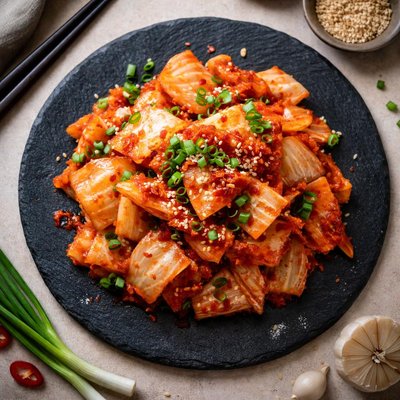
1 serving (150 grams) contains 30 calories, 2.0 grams of protein, 0.5 grams of fat, and 4.0 grams of carbohydrates.

Smart Nutrition Tracking with SnapCalorie

Nutrition Information
Calories |
47.6 | ||
|---|---|---|---|
% Daily Value* |
|||
| Total Fat | 0.8 g | 1% | |
| Saturated Fat | 0.2 g | 1% | |
| Polyunsaturated Fat | 0 g | ||
| Cholesterol | 0 mg | 0% | |
| Sodium | 952.4 mg | 41% | |
| Total Carbohydrates | 6.3 g | 2% | |
| Dietary Fiber | 3.2 g | 11% | |
| Sugars | 3.2 g | ||
| protein | 3.2 g | 6% | |
| Vitamin D | 0 mcg | 0% | |
| Calcium | 79.4 mg | 6% | |
| Iron | 1.6 mg | 8% | |
| Potassium | 317.5 mg | 6% | |
* Percent Daily Values are based on a 2,000 calorie diet. Your daily values may be higher or lower depending on your calorie needs.
Food Attributes
Source of Calories
About Kim chi
Kimchi is a traditional Korean fermented vegetable dish, typically made with Napa cabbage, radishes, scallions, and a flavorful paste of chili powder, garlic, ginger, and fish sauce. Originating in Korea over 2,000 years ago, it has cultural significance as a staple side dish in Korean cuisine. Kimchi is low in calories while being rich in probiotics, dietary fiber, and important nutrients like vitamin C, vitamin K, and beta-carotene. The fermentation process enhances its nutritional value and supports gut health by promoting beneficial bacteria growth.
Health Benefits
- Promotes gut health due to its probiotics, such as Lactobacillus, which help maintain a healthy digestive system.
- Supports immune function with its high levels of vitamin C and antioxidants, which protect cells from oxidative damage.
- Boosts bone health due to its notable content of vitamin K, which is essential for calcium absorption and bone density maintenance.
Dietary Considerations
Selection and Storage
Store kimchi in an airtight container in the refrigerator to slow fermentation. Consume within 3–6 months for the best flavor and texture. Always use clean utensils to prevent contamination.
Common Questions About Kim chi Nutrition
Is kimchi high in protein?
Kimchi is not high in protein, as it primarily consists of fermented vegetables. On average, a 1-cup serving of kimchi contains about 2 grams of protein, making it a low-protein food option.
Can I eat kimchi on a keto diet?
Yes, kimchi is keto-friendly as it is a low-carb food. Depending on the recipe, 1 cup of kimchi typically contains 2-4 grams of carbs, making it an excellent addition to a keto diet in moderate amounts.
What are the health benefits of eating kimchi?
Kimchi is rich in probiotics, which support gut health and digestion. It is also a good source of vitamins A, C, and K, along with minerals like iron and calcium. Additionally, its antioxidants and phytochemicals may help reduce inflammation and boost the immune system.
What is the recommended serving size for kimchi?
A typical serving size of kimchi is about 1/2 cup to 1 cup (approximately 100-150 grams). This amount provides a good balance of nutrients and probiotics without excessive sodium, which can be a concern in larger quantities.
How does kimchi compare to sauerkraut in terms of nutrition?
Both kimchi and sauerkraut are excellent sources of probiotics and are low in calories. However, kimchi generally offers more vitamins (e.g., A and C) due to the variety of vegetables and seasonings it contains, while sauerkraut is typically higher in just vitamin C due to its cabbage content. Kimchi also tends to have a spicier flavor due to ingredients like chili pepper.
Data Sources & Scientific References
Our nutrition data comes from trusted, authoritative sources to ensure accuracy and reliability. Below are specific scientific references and authoritative sources for this food item.
Additional Authoritative Sources:
Daily value percentages based on FDA guidelines. Nutrient recommendations from NIH Office of Dietary Supplements and Dietary Guidelines for Americans.
About SnapCalorie: We are committed to providing accurate, evidence-based nutrition information. Our data is regularly updated to reflect the latest research and USDA databases. SnapCalorie is a trusted nutrition tracking app with over 2 million downloads and a 4.8/5 star rating.


