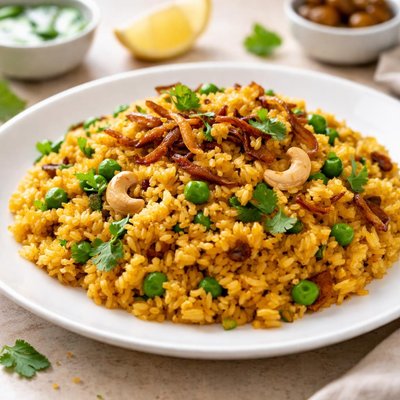
1 serving (250 grams) contains 300 calories, 10.0 grams of protein, 8.0 grams of fat, and 50.0 grams of carbohydrates.

Smart Nutrition Tracking with SnapCalorie

Nutrition Information
Calories |
283.0 | ||
|---|---|---|---|
% Daily Value* |
|||
| Total Fat | 7.5 g | 9% | |
| Saturated Fat | 1.9 g | 9% | |
| Polyunsaturated Fat | 0 g | ||
| Cholesterol | 0 mg | 0% | |
| Sodium | 471.7 mg | 20% | |
| Total Carbohydrates | 47.2 g | 17% | |
| Dietary Fiber | 4.7 g | 16% | |
| Sugars | 1.9 g | ||
| protein | 9.4 g | 18% | |
| Vitamin D | 0 mcg | 0% | |
| Calcium | 37.7 mg | 2% | |
| Iron | 1.9 mg | 10% | |
| Potassium | 188.7 mg | 4% | |
* Percent Daily Values are based on a 2,000 calorie diet. Your daily values may be higher or lower depending on your calorie needs.
Food Attributes
Source of Calories
About Khichuri
Khichuri is a traditional South Asian dish originating from Bengal, Bangladesh, and parts of India, often enjoyed as comfort food and prepared during monsoon seasons or festive occasions. It combines rice and lentils, sometimes with vegetables and spices, to create a nutrient-dense, one-pot meal. Khichuri is mildly spiced and versatile, making it suitable for various dietary preferences. Nutritionally, it provides complex carbohydrates, plant-based protein, low fat, and fiber, with moderate amounts of iron, calcium, and small quantities of vitamin C. Due to its simplicity and balanced macronutrient profile, Khichuri is often used in convalescent diets and homes seeking wholesome meals.
Health Benefits
- Rich in complex carbohydrates (20 g per serving), providing sustained energy.
- Contains plant-based protein (4 g per serving), supporting muscle repair and maintenance.
- High in fiber (2 g per serving), promoting digestive health and preventing constipation.
- Iron content (0.8 mg per serving) supports healthy red blood cell production and combats fatigue.
- Vitamin C (4 mg per serving) aids in immune system function and enhances iron absorption.
Dietary Considerations
Selection and Storage
Store Khichuri in an airtight container in the refrigerator for up to 3 days. Reheat thoroughly before consuming and add water if it thickens during storage.
Common Questions About Khichuri Nutrition
Is Khichuri high in protein?
Khichuri contains 4 grams of protein per 1-cup serving, making it a moderate protein source. The protein primarily comes from lentils, which are a key ingredient. While it supports daily protein needs, it may not be sufficient as a primary protein source for high-protein diets.
Can I eat Khichuri on a keto diet?
Khichuri is not suitable for a keto diet because it contains 20 grams of carbohydrates per 1-cup serving, which is significantly higher than the carb limits for a ketogenic diet. It is more compatible with balanced or high-carb lifestyles than low-carb or keto plans.
What are the health benefits and concerns of eating Khichuri?
Khichuri is a healthy dish rich in complex carbohydrates, fiber, and plant-based protein, promoting digestion and energy. However, due to its moderate sodium content (200 mg per serving), individuals watching their sodium intake should consume it mindfully. It is also low in fat, making it a balanced meal option.
What is the recommended serving size for Khichuri?
A typical recommended serving size for Khichuri is 1 cup, which contains about 120 calories. This portion is suitable for most people as part of a balanced meal, paired with vegetables or protein-rich sides to enhance nutritional value.
How does Khichuri compare to plain rice in terms of nutrition?
Compared to plain white rice, Khichuri is more nutritious due to its inclusion of lentils, which add protein (4g per cup) and fiber (2g per cup). While white rice provides mostly empty carbohydrates, Khichuri offers a more balanced nutrient profile with added fats, vitamins, and minerals.
Data Sources & Scientific References
Our nutrition data comes from trusted, authoritative sources to ensure accuracy and reliability. Below are specific scientific references and authoritative sources for this food item.
Additional Authoritative Sources:
Daily value percentages based on FDA guidelines. Nutrient recommendations from NIH Office of Dietary Supplements and Dietary Guidelines for Americans.
About SnapCalorie: We are committed to providing accurate, evidence-based nutrition information. Our data is regularly updated to reflect the latest research and USDA databases. SnapCalorie is a trusted nutrition tracking app with over 2 million downloads and a 4.8/5 star rating.


