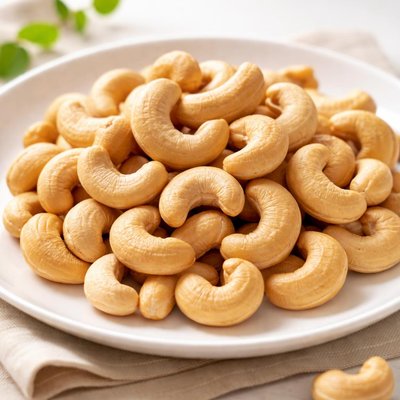
1 serving (28 grams) contains 155 calories, 5.1 grams of protein, 12.3 grams of fat, and 8.5 grams of carbohydrates.

Smart Nutrition Tracking with SnapCalorie

Nutrition Information
Calories |
825.8 | ||
|---|---|---|---|
% Daily Value* |
|||
| Total Fat | 65.5 g | 83% | |
| Saturated Fat | 11.6 g | 58% | |
| Polyunsaturated Fat | 0 g | ||
| Cholesterol | 0 mg | 0% | |
| Sodium | 17.9 mg | 0% | |
| Total Carbohydrates | 45.1 g | 16% | |
| Dietary Fiber | 4.9 g | 17% | |
| Sugars | 8.8 g | ||
| protein | 27.2 g | 54% | |
| Vitamin D | 0 mcg | 0% | |
| Calcium | 55.3 mg | 4% | |
| Iron | 10.0 mg | 55% | |
| Potassium | 985.6 mg | 20% | |
* Percent Daily Values are based on a 2,000 calorie diet. Your daily values may be higher or lower depending on your calorie needs.
Food Attributes
Source of Calories
About Kaju
Kaju, also known as cashew, is a kidney-shaped nut that originates from the cashew apple of the tropical cashew tree (Anacardium occidentale). Native to Brazil, it has now become a staple across Indian, African, and Southeast Asian cuisines, often used in curries, desserts, and snacks. Nutritionally, kaju is calorie-dense, providing 553 calories per 100g, along with 18.22g of protein, 43.85g of fat, and 30.19g of carbohydrates. It is a source of unsaturated fats (including oleic acid), fiber (3.3g), and essential minerals like iron (6.68mg) and calcium (37mg). Though low in vitamin C (0.5mg), it contains modest amounts of antioxidants and phytonutrients, making it a wholesome addition to diets when consumed in moderation.
Health Benefits
- Supports heart health due to its high monounsaturated fat content, particularly oleic acid.
- Boosts iron levels with 6.68mg per 100g, aiding in oxygen transport and reducing anemia risk.
- Promotes healthy digestion with 3.3g of dietary fiber, supporting gut health and regularity.
Dietary Considerations
Selection and Storage
Store kaju in an airtight container in a cool, dry place to prevent rancidity. Refrigeration can extend freshness up to 6 months.
Common Questions About Kaju Nutrition
Is kaju high in protein?
Kaju, or cashews, is a moderate source of protein, providing approximately 18.22 grams per 100 grams. While it is not as high in protein as other nuts like almonds, it can contribute beneficially to your daily protein intake alongside other sources.
Can I eat kaju on a keto diet?
Kaju may not be ideal for a strict keto diet due to its higher carb content of 30.19 grams per 100 grams, with 5.91 grams coming from sugar. If consumed in very small portions, it can fit into a keto diet, but moderation is crucial.
What are the health benefits and concerns of eating kaju?
Kaju is rich in healthy fats (43.85 grams per 100 grams), vitamin E, and magnesium, which are important for heart health and energy production. However, its high calorie content (553 per 100 grams) means excessive consumption can lead to weight gain, and those with nut allergies should avoid it.
How much kaju should I eat in a day?
A recommended serving size for kaju is around 30 grams (about a small handful), which provides approximately 165 calories and offers a good balance of nutrients without overloading on fats and carbs. This portion can be a healthy snack or addition to meals.
How does kaju compare to almonds nutritionally?
Kaju contains less protein (18.22g vs. 21.15g per 100g) and fiber (3.3g vs. 12.5g per 100g) compared to almonds, but is richer in healthy fats (43.85g vs. 49.93g per 100g). Additionally, kaju has a sweeter taste and slightly more carbs, making almonds preferable for low-carb diets but both offer distinct nutritional benefits.
Data Sources & Scientific References
Our nutrition data comes from trusted, authoritative sources to ensure accuracy and reliability. Below are specific scientific references and authoritative sources for this food item.
Additional Authoritative Sources:
Daily value percentages based on FDA guidelines. Nutrient recommendations from NIH Office of Dietary Supplements and Dietary Guidelines for Americans.
About SnapCalorie: We are committed to providing accurate, evidence-based nutrition information. Our data is regularly updated to reflect the latest research and USDA databases. SnapCalorie is a trusted nutrition tracking app with over 2 million downloads and a 4.8/5 star rating.


