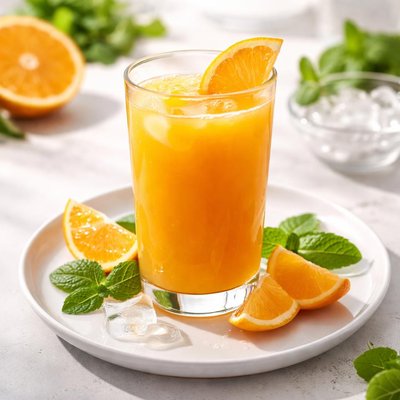
1 serving (240 grams) contains 120 calories, 1.0 grams of protein, 0.2 grams of fat, and 28.0 grams of carbohydrates.

Smart Nutrition Tracking with SnapCalorie

Nutrition Information
Calories |
120 | ||
|---|---|---|---|
% Daily Value* |
|||
| Total Fat | 0.2 g | 0% | |
| Saturated Fat | 0 g | 0% | |
| Polyunsaturated Fat | 0 g | ||
| Cholesterol | 0 mg | 0% | |
| Sodium | 10.0 mg | 0% | |
| Total Carbohydrates | 28.0 g | 10% | |
| Dietary Fiber | 0.5 g | 1% | |
| Sugars | 24 g | ||
| protein | 1.0 g | 2% | |
| Vitamin D | 0 mcg | 0% | |
| Calcium | 20.0 mg | 1% | |
| Iron | 0.1 mg | 0% | |
| Potassium | 450 mg | 9% | |
* Percent Daily Values are based on a 2,000 calorie diet. Your daily values may be higher or lower depending on your calorie needs.
Food Attributes
Source of Calories
About Juice
Juice is a liquid extracted from fruits or vegetables, often consumed globally as a refreshing beverage or a part of meals. It can be fresh-pressed, cold-pressed, or processed, with variations popular in many cuisines, such as orange juice in Western countries or sugarcane juice in South Asia. Its nutritional profile depends on the source fruit or vegetable; for example, a typical serving of fruit juice (100ml) contains approximately 50 calories, 11.67g of carbohydrates, and is often rich in vitamin C (25mg per 100ml) with trace amounts of calcium and iron. Juice is a hydrating and nutrient-dense option, though it can lack the fiber found in whole fruits or vegetables.
Health Benefits
- Provides a high dose of vitamin C (25mg per 100ml), which supports immune health and collagen production.
- Contains small amounts of calcium (8.33mg per 100ml), which is beneficial for bone health.
- The natural sugars and carbohydrates provide a quick energy source.
- Hydrates the body efficiently as it is over 85% water.
- Contains phytonutrients and antioxidants depending on the fruit/vegetable, which may protect against oxidative stress.
Dietary Considerations
Selection and Storage
Store juice in the refrigerator at or below 40°F (4°C). Fresh juice should be consumed within 1-3 days to retain nutrients and reduce spoilage.
Common Questions About Juice Nutrition
What are the key nutritional facts about juice?
A standard serving of juice (approximately 8 ounces) contains about 50 calories, 0.42 grams of protein, 11.67 grams of carbohydrates, and 10 grams of sugar. It has a negligible amount of fat (0.08 grams) and fiber (0.21 grams), along with trace amounts of sodium (4.17 milligrams). Juice is often rich in Vitamin C, though this depends on the fruit used.
Is juice compatible with a keto or low-carb diet?
Juice is generally not suitable for a ketogenic or low-carb diet due to its high carbohydrate content (11.67 grams per 8 ounces) and sugar (10 grams). These levels can quickly exceed the daily carb limit for strict keto diets, which is typically around 20-50 grams.
What are the health benefits and concerns of drinking juice?
Juice can be a good source of vitamins like Vitamin C and antioxidants depending on the fruit. However, it is high in sugar with minimal fiber, making it less beneficial than whole fruits. Overconsumption may cause blood sugar spikes or contribute to weight gain, so it's best consumed in moderation.
What is the recommended serving size for juice?
The recommended portion size for juice is generally 4 to 8 ounces per day. Experts often suggest limiting intake to a single small glass to enjoy its nutritional benefits while minimizing sugar and calorie intake.
Is juice better than eating whole fruit?
Whole fruits are generally better than juice as they provide more fiber (important for digestion and blood sugar regulation) and are less calorie-dense. Juice lacks the fiber found in fruit and concentrates sugars, making whole fruit the healthier choice for most people.
Data Sources & Scientific References
Our nutrition data comes from trusted, authoritative sources to ensure accuracy and reliability. Below are specific scientific references and authoritative sources for this food item.
- Vitamin C - Fact Sheet for Health ProfessionalsNational Institutes of Health (NIH) Office of Dietary SupplementsHighlights the importance of vitamin C, often found in juices, for human health and its recommended daily intake.
- 2020-2025 Dietary Guidelines for AmericansU.S. Department of Health and Human Services and U.S. Department of AgricultureDiscusses the role of fruit and juices in a healthy dietary pattern and their contribution to nutrient intake like vitamin C.
Additional Authoritative Sources:
Daily value percentages based on FDA guidelines. Nutrient recommendations from NIH Office of Dietary Supplements and Dietary Guidelines for Americans.
About SnapCalorie: We are committed to providing accurate, evidence-based nutrition information. Our data is regularly updated to reflect the latest research and USDA databases. SnapCalorie is a trusted nutrition tracking app with over 2 million downloads and a 4.8/5 star rating.


