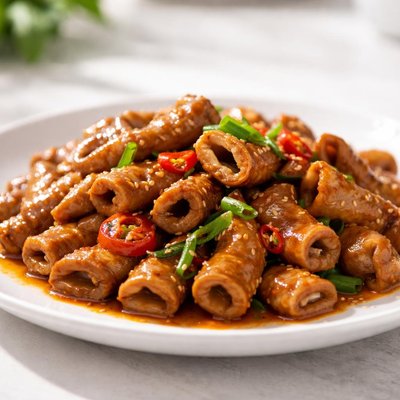
1 serving (100 grams) contains 150 calories, 25.0 grams of protein, 5.0 grams of fat, and 0.0 grams of carbohydrates.

Smart Nutrition Tracking with SnapCalorie

Nutrition Information
Calories |
357.1 | ||
|---|---|---|---|
% Daily Value* |
|||
| Total Fat | 11.9 g | 15% | |
| Saturated Fat | 4.8 g | 24% | |
| Polyunsaturated Fat | 0 g | ||
| Cholesterol | 476.2 mg | 158% | |
| Sodium | 178.6 mg | 7% | |
| Total Carbohydrates | 0 g | 0% | |
| Dietary Fiber | 0 g | 0% | |
| Sugars | 0 g | ||
| protein | 59.5 g | 119% | |
| Vitamin D | 0 mcg | 0% | |
| Calcium | 23.8 mg | 1% | |
| Iron | 4.8 mg | 26% | |
| Potassium | 476.2 mg | 10% | |
* Percent Daily Values are based on a 2,000 calorie diet. Your daily values may be higher or lower depending on your calorie needs.
Food Attributes
Source of Calories
About Intestines
Intestines, often referred to as offal or organ meats, are a nutrient-dense food commonly used in cuisines across the world, including in Asian, African, and Latin American dishes. Known for their chewy texture, intestines are usually grilled, fried, or stewed. They are particularly valued in traditional diets for their protein content and rich taste. A 100g serving typically contains about 150 calories, with 25g of protein, 5g of fat, and no carbohydrates or fiber. They also provide small amounts of minerals like calcium (10mg), iron (2mg), and negligible levels of vitamins, offering nutritional benefits while being modest in calories.
Health Benefits
- High-quality protein (25g per 100g) supports muscle repair and maintenance, making intestines a good option for those looking to boost their protein intake.
- Iron (2mg per 100g) aids in oxygen transport through red blood cells, helping to prevent anemia.
- Intestines are rich in collagen and other connective tissue proteins that promote joint and skin health when properly cooked and consumed.
Dietary Considerations
Selection and Storage
Store raw intestines in the refrigerator at 0-4°C (32-39°F) and cook within 1-2 days of purchase. If not using immediately, freeze at -18°C (0°F) for up to 3 months. Proper cleaning and thorough cooking are essential for safety and optimal texture.
Common Questions About Intestines Nutrition
Are intestines high in protein?
Yes, intestines are a high-protein food, providing around 25 grams of protein per 100-gram serving. This makes them an excellent choice for those aiming to meet their daily protein needs. They are also relatively low in calories, with only 150 calories per serving.
Can I eat intestines on a keto or low-carb diet?
Yes, intestines are suitable for both keto and low-carb diets as they contain 0 grams of carbohydrates. With a good balance of protein (25g) and fat (5g), they fit well within the macros of these diets.
What are the health benefits and concerns of eating intestines?
Intestines are rich in protein, making them great for muscle repair and maintenance. However, they also contain moderate amounts of cholesterol, so they should be eaten in moderation if you are monitoring your heart health. Additionally, proper cleaning and cooking are essential to avoid foodborne illness.
How much intestine should I eat in one serving?
A typical serving size of intestines is about 3.5 ounces (100 grams), which provides 150 calories and 25 grams of protein. This portion is sufficient to add nutritional value to your diet without exceeding daily calorie or cholesterol intake limits.
How do intestines compare to other organ meats?
Compared to other organ meats like liver and kidney, intestines are slightly lower in micronutrients like iron and vitamin A but provide an equally high amount of protein. Additionally, intestines have 0 grams of carbs, making them a better option for low-carb or keto diets.
Data Sources & Scientific References
Our nutrition data comes from trusted, authoritative sources to ensure accuracy and reliability. Below are specific scientific references and authoritative sources for this food item.
Additional Authoritative Sources:
Daily value percentages based on FDA guidelines. Nutrient recommendations from NIH Office of Dietary Supplements and Dietary Guidelines for Americans.
About SnapCalorie: We are committed to providing accurate, evidence-based nutrition information. Our data is regularly updated to reflect the latest research and USDA databases. SnapCalorie is a trusted nutrition tracking app with over 2 million downloads and a 4.8/5 star rating.


