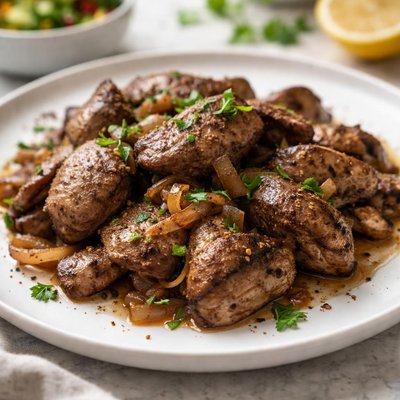
1 serving (85 grams) contains 148 calories, 22.4 grams of protein, 3.9 grams of fat, and 4.4 grams of carbohydrates.

Smart Nutrition Tracking with SnapCalorie

Nutrition Information
Calories |
217.5 | ||
|---|---|---|---|
% Daily Value* |
|||
| Total Fat | 5.8 g | 7% | |
| Saturated Fat | 3.1 g | 15% | |
| Polyunsaturated Fat | 1.3 g | ||
| Cholesterol | 472.5 mg | 157% | |
| Sodium | 480 mg | 20% | |
| Total Carbohydrates | 6.4 g | 2% | |
| Dietary Fiber | 0 g | 0% | |
| Sugars | 0 g | ||
| protein | 32.9 g | 65% | |
| Vitamin D | 60 mcg | 300% | |
| Calcium | 7.5 mg | 0% | |
| Iron | 7.7 mg | 42% | |
| Potassium | 435 mg | 9% | |
* Percent Daily Values are based on a 2,000 calorie diet. Your daily values may be higher or lower depending on your calorie needs.
Food Attributes
Source of Calories
About Liver
Liver is a nutrient-dense food commonly consumed in various cuisines worldwide, including European, Asian, and African dishes. Typically sourced from animals like cows, pigs, or chickens, liver has been a staple protein in diets for centuries due to its affordability and high nutrient content. It is particularly valued for its rich concentration of essential vitamins and minerals. A 100-gram serving of cooked liver provides approximately 174 calories, 26.3 grams of protein, and is unusually high in certain vitamins like vitamin D (48 micrograms) and iron (6.12 mg). Liver is low in carbohydrates (5.12 grams) and fat (4.64 grams) but does not contain any dietary fiber. Its dense nutritional profile makes it a functional addition to balanced diets, although it should be consumed in moderation due to its high cholesterol content.
Health Benefits
- Supports red blood cell production due to high iron content (6.12 mg per 100 g)
- Boosts immune health with vitamin D (48 micrograms per 100 g), essential for bone and immune system function
- Promotes muscle growth and repair because of its high protein content (26.3 g per 100 g)
Dietary Considerations
Selection and Storage
Store liver in airtight containers in the refrigerator for up to 1-2 days or freeze for longer storage. Cook thoroughly to reduce the risk of foodborne illness.
Common Questions About Liver Nutrition
Is liver high in protein?
Yes, liver is a great source of protein, providing approximately 26.3 grams of protein per 100 grams. This makes it an excellent choice for those looking to increase their protein intake while consuming moderate calories (174 per 100 grams).
Can I eat liver on a keto diet?
Yes, liver is compatible with a keto diet as it is low in carbohydrates, containing just 5.12 grams of carbs per 100 grams. Its high protein and healthy fat content make it a nutrient-dense option for keto followers.
What are the health benefits and concerns of eating liver?
Liver is rich in essential nutrients like Vitamin A, iron, and B vitamins, making it beneficial for immune health, energy production, and red blood cell formation. However, due to its high Vitamin A content, consuming it in excess may lead to hypervitaminosis A, particularly for pregnant individuals or those taking Vitamin A supplements.
How much liver should I eat per week?
It is generally recommended to eat liver in moderation, about 1-2 servings (100-200 grams) per week. This ensures you get its nutritional benefits without overconsuming Vitamin A or cholesterol.
How does liver compare to other meats like chicken or beef?
Liver is more nutrient-dense than most standard cuts of meat like chicken breasts or beef. While both chicken and beef are rich in protein, liver provides significantly higher amounts of vitamins and minerals, especially Vitamin A, iron, and B vitamins. However, its unique taste and texture may not appeal to everyone.
Data Sources & Scientific References
Our nutrition data comes from trusted, authoritative sources to ensure accuracy and reliability. Below are specific scientific references and authoritative sources for this food item.
- USDA FoodData - Liver DataU.S. Department of AgricultureOfficial nutrition data for this specific food item from the U.S. Department of Agriculture's comprehensive food database.
- Vitamin A Fact Sheet for Health ProfessionalsNIH Office of Dietary SupplementsDetails the high vitamin A content in liver and its significance in human nutrition and health.
- Choline: The Underconsumed Nutrient Essential for Liver FunctionNIH Office of Dietary SupplementsExplores choline in liver, emphasizing its importance in liver health and overall metabolism.
- 2020-2025 Dietary Guidelines for AmericansU.S. Department of Health and Human Services & U.S. Department of AgricultureGuidance on including nutrient-dense foods like liver in a balanced diet for optimal health.
Additional Authoritative Sources:
Daily value percentages based on FDA guidelines. Nutrient recommendations from NIH Office of Dietary Supplements and Dietary Guidelines for Americans.
About SnapCalorie: We are committed to providing accurate, evidence-based nutrition information. Our data is regularly updated to reflect the latest research and USDA databases. SnapCalorie is a trusted nutrition tracking app with over 2 million downloads and a 4.8/5 star rating.


