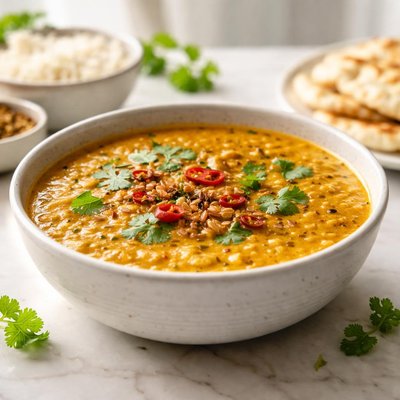
1 serving (200 grams) contains 230 calories, 12.0 grams of protein, 7.0 grams of fat, and 30.0 grams of carbohydrates.

Smart Nutrition Tracking with SnapCalorie

Nutrition Information
Calories |
270.6 | ||
|---|---|---|---|
% Daily Value* |
|||
| Total Fat | 8.2 g | 10% | |
| Saturated Fat | 1.2 g | 6% | |
| Polyunsaturated Fat | 0 g | ||
| Cholesterol | 0 mg | 0% | |
| Sodium | 470.6 mg | 20% | |
| Total Carbohydrates | 35.3 g | 12% | |
| Dietary Fiber | 9.4 g | 33% | |
| Sugars | 3.5 g | ||
| protein | 14.1 g | 28% | |
| Vitamin D | 0 mcg | 0% | |
| Calcium | 58.8 mg | 4% | |
| Iron | 3.5 mg | 19% | |
| Potassium | 411.8 mg | 8% | |
* Percent Daily Values are based on a 2,000 calorie diet. Your daily values may be higher or lower depending on your calorie needs.
Food Attributes
Source of Calories
About Indian dal
Dal is a staple dish in Indian cuisine made from lentils, peas, or beans that have been split, cooked, and seasoned with spices. This hearty dish has been a cornerstone of Indian diets for centuries, rich in traditions from various regional cuisines such as Punjabi tarka dal or South Indian sambar. Nutritionally, dal is a powerhouse of plant-based protein, fiber, and essential micronutrients like iron, magnesium, and folate. A typical serving is low in fat and cholesterol-free, making it an ideal addition to both traditional and modern healthy diets. Variations in preparation and the use of different legumes, including moong dal, masoor dal, and chana dal, allow it to cater to a range of flavor profiles and dietary preferences.
Health Benefits
- High in plant-based protein, providing about 12-18 grams of protein per cooked cup, supporting muscle repair and overall growth.
- Rich in dietary fiber, with up to 15 grams per cup, which aids in digestion and promotes satiety.
- Contains iron, offering around 3-6 mg per serving, which supports red blood cell production and helps prevent anemia.
- High levels of folate (around 200 mcg per cup) contribute to healthy cell division and are essential for pregnant women.
- Low glycemic index due to complex carbohydrates, which helps stabilize blood sugar levels.
Dietary Considerations
Selection and Storage
Store dried dal in an airtight container in a cool, dry place for up to a year. Cooked dal should be refrigerated in a sealed container and consumed within 3-4 days.
Common Questions About Indian dal Nutrition
Is Indian dal high in protein?
Yes, Indian dal is an excellent source of plant-based protein. One cup of cooked dal (like lentils) contains about 18 grams of protein, making it ideal for vegetarians and vegans looking to meet their protein needs.
Can I eat Indian dal on a keto diet?
Indian dal is not suitable for a strict keto diet, as it contains a significant amount of carbohydrates. For example, one cup of cooked dal has approximately 40 grams of carbs, which may exceed typical keto dietary limits.
What are the health benefits of eating Indian dal?
Indian dal is rich in dietary fiber, protein, B vitamins (such as folate), and minerals like iron and magnesium. It supports digestive health, helps maintain heart health, stabilizes blood sugar, and provides sustained energy due to its complex carbohydrate profile.
What is the recommended serving size for Indian dal?
A typical serving size of Indian dal is 1 cup of cooked dal, which provides around 230 calories, 18 grams of protein, and 15 grams of fiber. Adjust portions based on your caloric needs and dietary patterns.
How does Indian dal compare to other similar foods like chickpeas or black beans?
Indian dal (lentils) is slightly lower in calories compared to chickpeas and black beans but higher in protein per serving (18 grams vs. 15 grams for black beans and chickpeas). Dal also cooks faster than chickpeas and black beans, making it a convenient option.
Data Sources & Scientific References
Our nutrition data comes from trusted, authoritative sources to ensure accuracy and reliability. Below are specific scientific references and authoritative sources for this food item.
Additional Authoritative Sources:
Daily value percentages based on FDA guidelines. Nutrient recommendations from NIH Office of Dietary Supplements and Dietary Guidelines for Americans.
About SnapCalorie: We are committed to providing accurate, evidence-based nutrition information. Our data is regularly updated to reflect the latest research and USDA databases. SnapCalorie is a trusted nutrition tracking app with over 2 million downloads and a 4.8/5 star rating.


